Built to Last, Installed Right
Family-owned siding and exterior experts serving Southwest Virginia
Get a Free Estimate
What’s covered on this page
James Hardie siding is a fiber cement board, and a good install is mostly about what goes on behind the boards. James Hardie siding installation involves removing the old siding, checking the wall underneath, adding a water barrier and flashing, and then fastening, sealing, and finishing each board the way the manufacturer’s instructions call for. It’s one of the main jobs we do as a siding contractor in Thaxton.
James Hardie makes fiber cement siding, a siding made from cement, sand, and wood fibers. It’s tough, and it holds up well to hail, wind-driven rain, and fire. It’s also heavy and stiff, so it doesn’t forgive shortcuts the way lighter siding can. Most of the quality in a Hardie job comes from steps you won’t see once the last board is up.
Here’s what a proper install generally involves, start to finish:

The flashing and spacing steps matter a lot here. Around Thaxton and the rest of Bedford County, winters freeze and thaw over and over. Summers bring humid air and hard thunderstorms. Water that gets behind a board and sits there can freeze, swell, and work into the wall. Hardie’s own installation instructions spell out clearances and fastening for this reason. Following them isn’t fussy. It’s what keeps the wall dry.
Here’s the honest tradeoff. Because the boards are heavy and have to be cut with care, fiber cement takes more labor than vinyl. That shows up in the price. Vinyl costs less up front, but it can crack if something hits it on a cold day. Hardie costs more to put on, but it stands up better to storms. Which one’s right depends on your house, your budget, and how long you plan to stay.
It’s also worth knowing that not every house needs a full wrap. If one wall took hail damage and the rest is sound, a repair or a partial job may make more sense. We’ll tell you that straight if it’s the case. We install James Hardie products, including HardieShingle, along with the soffit, fascia, and trim that finish the job. Soffit is the underside of your roof overhang, and fascia is the board along the roof edge.
What you can’t know until someone looks is what’s under your current siding. That’s the part that shapes the scope of the job more than anything else.
Most siding problems start small. The question is whether they’ve stayed small. If the damage is limited to one spot and the wall behind it is dry, a repair usually makes sense. If the problem shows up all over the house, or it’s gotten into the wall itself, patching just buys time.
Here are the signs that point toward replacing the siding instead of fixing a few boards:
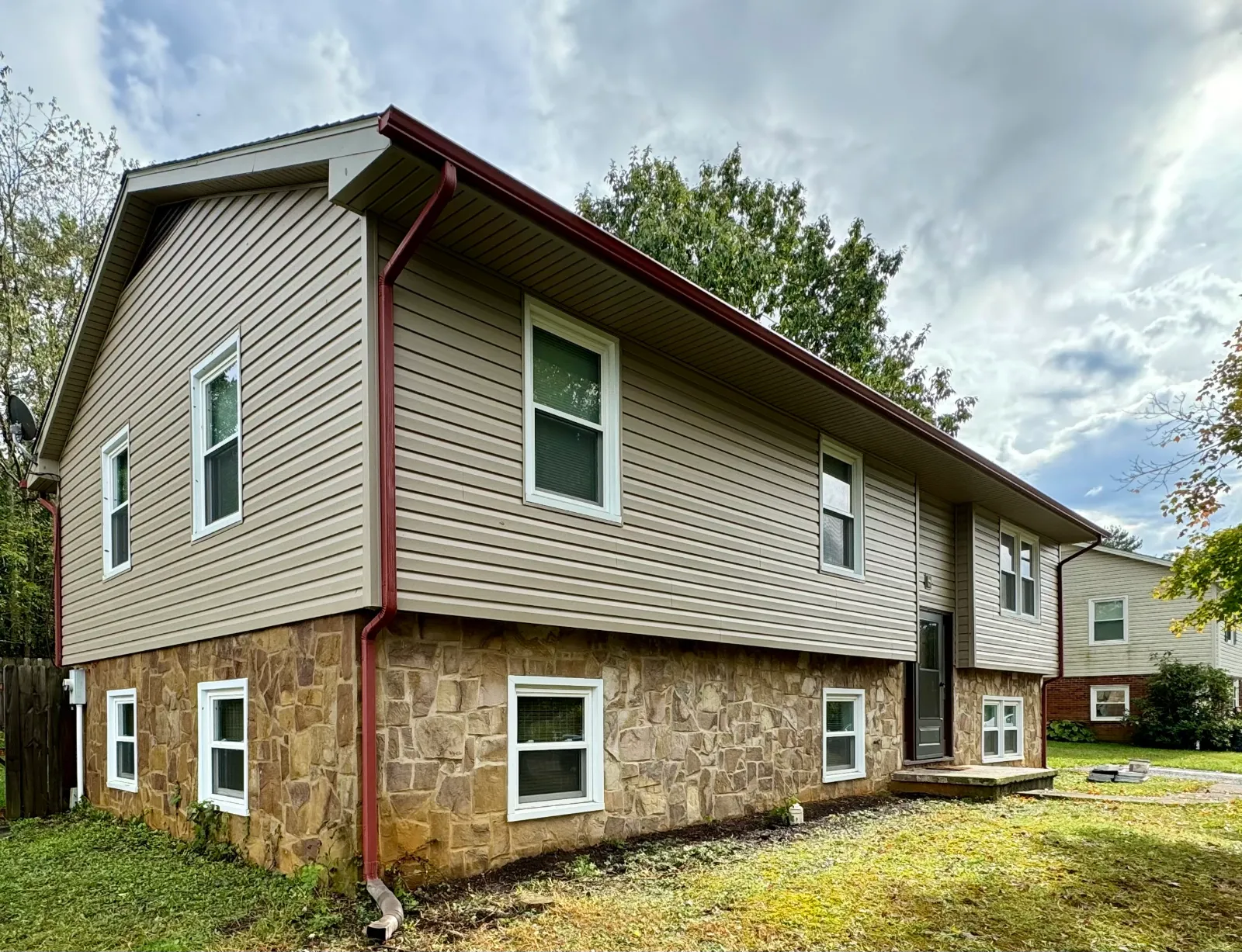
Weather here makes some of these worse faster. Our winters freeze and thaw over and over, and our summers are humid with hard thunderstorms. A crack that lets water in during a July storm can freeze and open wider by February. That’s why a small gap near a window deserves a look, even if it seems minor.
Now the other side, because it matters just as much. You probably don’t need full replacement if:
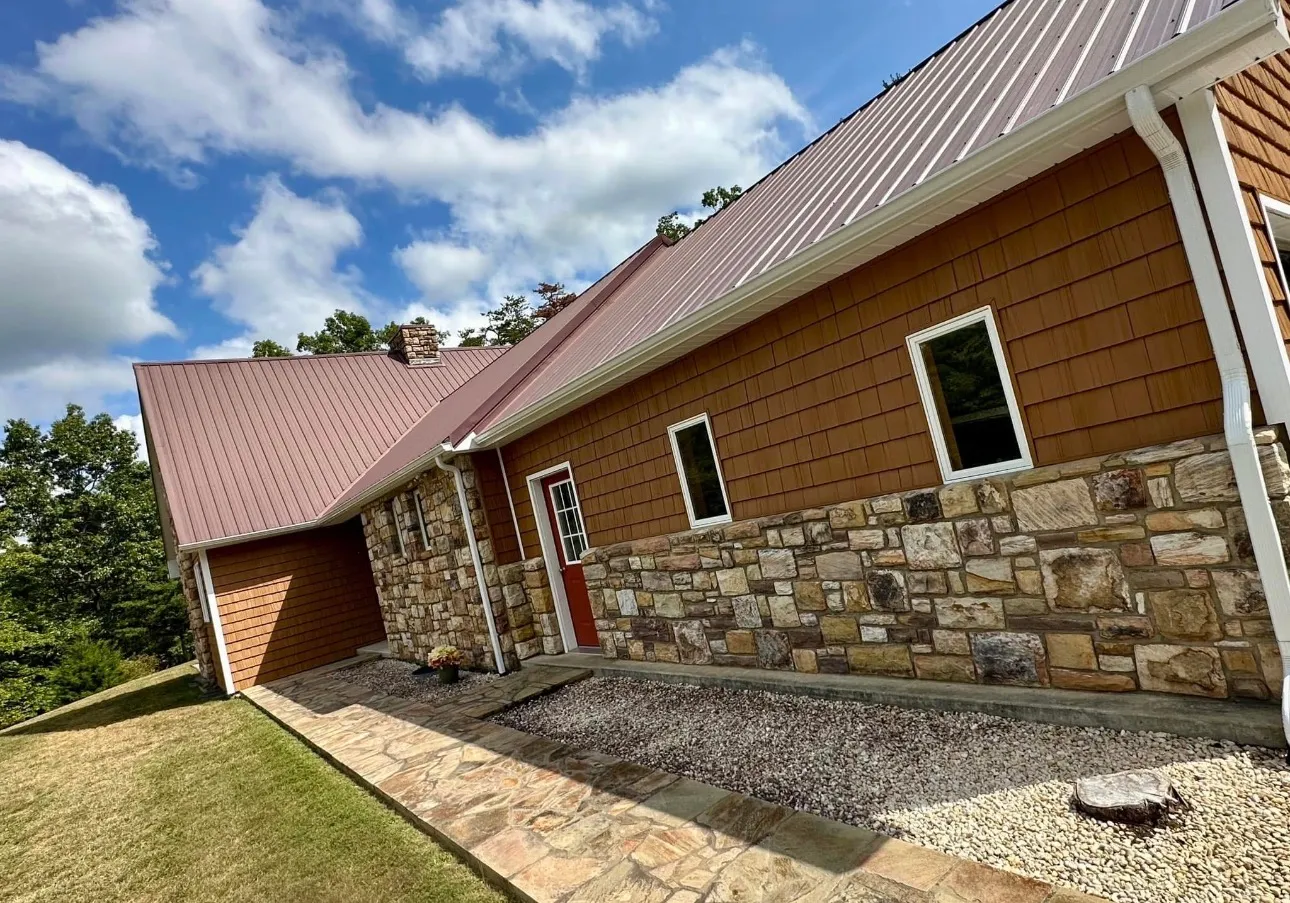
In those cases, a repair is the right call. You’d be spending real money on new siding to fix a problem that a smaller job would handle. We’ll tell you that if it’s what we find.
If storm damage is part of the picture, it helps to have it looked at and written down before you decide anything. We can inspect and document the damage, write up an estimate and scope of work, and meet your adjuster on-site to answer questions about that estimate. Whether you file a claim is up to you, but having the damage recorded early keeps your options open.
Some of these signs you can check yourself on a walk around the house. Others, like how far water has spread into the sheathing, only show up when someone looks closer or pulls a board. That’s usually what settles the repair versus replace question.
Thinking about James Hardie Siding Installation? Let’s talk.
Get a Free Estimate. Premier Exterior Improvements LLC is ready to help.
Siding around here has to handle a lot in one year. There’s sticky summer air, hard afternoon storms, hot sun on the south and west walls, and cold snaps in winter. Fiber cement doesn’t beat all of that because it’s magic. It holds up because of what it’s made of, and because what it’s made of doesn’t react much to any of those things.
Humidity is the big one. Wood siding and some engineered wood products can soak up moisture during a long, muggy stretch, then swell, soften, or rot at the bottom edges. Fiber cement is mostly cement and sand, so rot isn’t a worry the way it is with wood. Bugs that chew on wood don’t have much interest in it either.
Here’s how that plays out on the kinds of lots common in this area:

Fire is worth a mention too. Fiber cement doesn’t burn the way wood or vinyl can. For houses with woods close by, or a grill and fire pit near the back wall, that’s a real difference, not just a sales line.
Now the honest part. Fiber cement is tough, but it isn’t maintenance-free. The finish, whether it’s factory color or paint, will fade over time on the sunniest walls, and someday it’ll need repainting. Caulk at trim and butt joints dries out and needs touching up. The board itself sheds water well, but the wall behind it only stays dry if the install was done right. That’s why the steps covered earlier matter as much as the product.
It’s also heavy. Brittle it isn’t, but a board can chip if something sharp hits a corner hard. The good news is a chipped or cracked board can usually be swapped out on its own. You don’t have to redo the whole wall.
So is it worth it here? If your house sits in shade and humidity, faces open storm exposure, or you plan to stay a long time, fiber cement tends to earn its higher price. If you’re selling in a couple of years or working with a tight budget, another material may fit you better. We install James Hardie and LP SmartSide products, plus vinyl, so we can walk you through the choice without steering you toward one.
Nobody can give you an honest number for Hardie siding over the phone. The price depends on your house, not a chart. What we can do is tell you what moves the number up or down, so a quote makes sense when you see one.
These are the things that shape the cost the most:
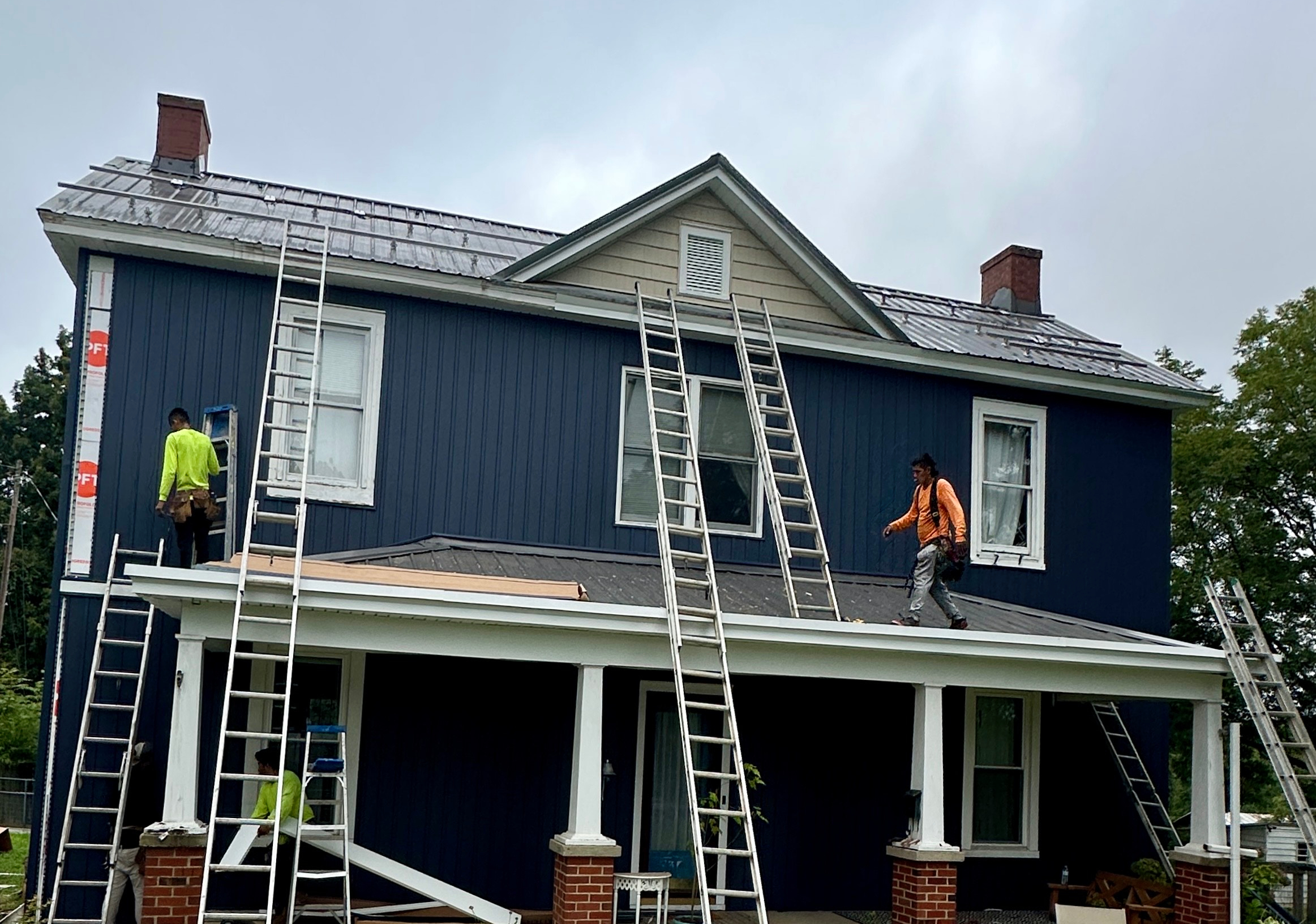
Scope matters too. Siding the whole house costs more than doing one side, of course. But if only one wall is damaged and the rest is sound, a partial job may be the smarter spend. We’ll tell you if that’s where your house lands.
Here’s the honest tradeoff on price. Hardie costs more to put on than vinyl because of the extra labor we mentioned earlier. You’re paying for toughness in storms and humidity. If your budget is tight or you’re moving soon, that may not be the right trade for you, and that’s a fair call to make.
When you’re comparing quotes, it helps to ask the same questions of everyone:
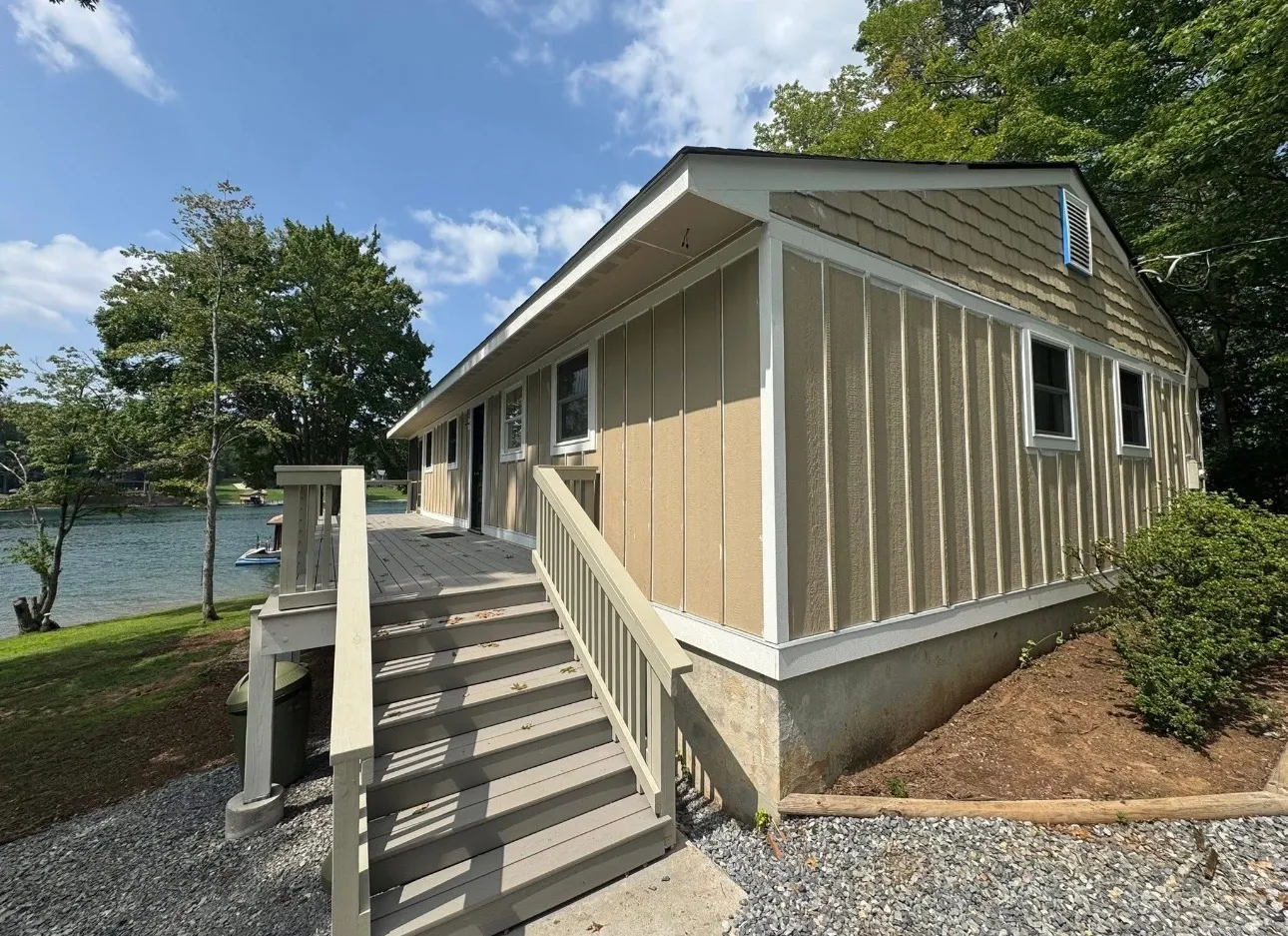
Two quotes can look far apart just because one leaves out flashing or trim. Asking these questions lines them up so you’re comparing the same job.
Most of a Hardie job happens on your walls. But a lot of what makes it go smoothly happens before the first old board comes off. Here’s how a project generally moves from the first visit to the last cleanup.
It starts with a free estimate. We walk the outside of your house and look at the siding, trim, soffit, and fascia. We also talk about what’s been bugging you. If what we see points to a repair instead of a full job, you’ll hear that right then.
Next comes picking the style and color. This is the part people worry about most, because they’ll live with it for a long time. We take the time to walk you through it. Here’s a tip that helps: look at color samples outside, not on a screen. Hold them up against your roof, your brick or stone, and your front door. Check them in the morning and again in late afternoon. A gray that looks soft on a shady north wall can look much lighter on a wall that gets full sun.
Once you’ve decided, you should get a written scope that matches the quote questions we covered earlier. It should list what’s coming off, what’s going on, the color, and which trim and soffit work is included. If the tear-off turns up soft sheathing, you should be shown before anything extra gets fixed.
Timing matters around here. Summer thunderstorms can roll in fast, and winter cold snaps can make paint and caulk harder to work with. A careful crew plans around the forecast. They also keep open walls covered with weather barrier, so a pop-up storm doesn’t soak the sheathing.
A little prep on your end makes install days easier:
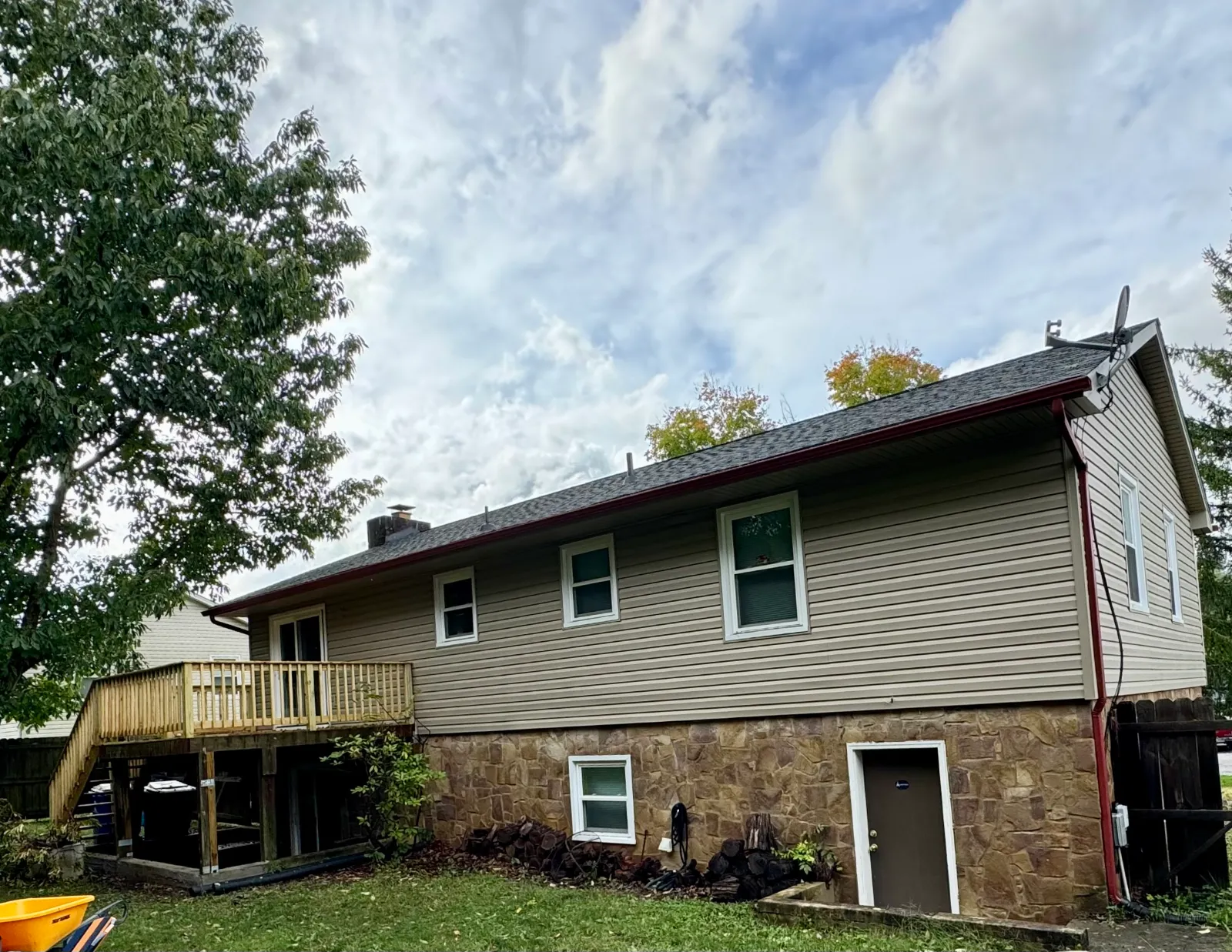
During the job, expect noise, some dust near the cutting area, and old siding going into a bin or trailer. The house will look rough for a bit, with walls half stripped. That’s normal. It usually looks worse right before it starts looking good.
At the end, walk the house with your installer before you call it done. Here’s what’s worth checking:
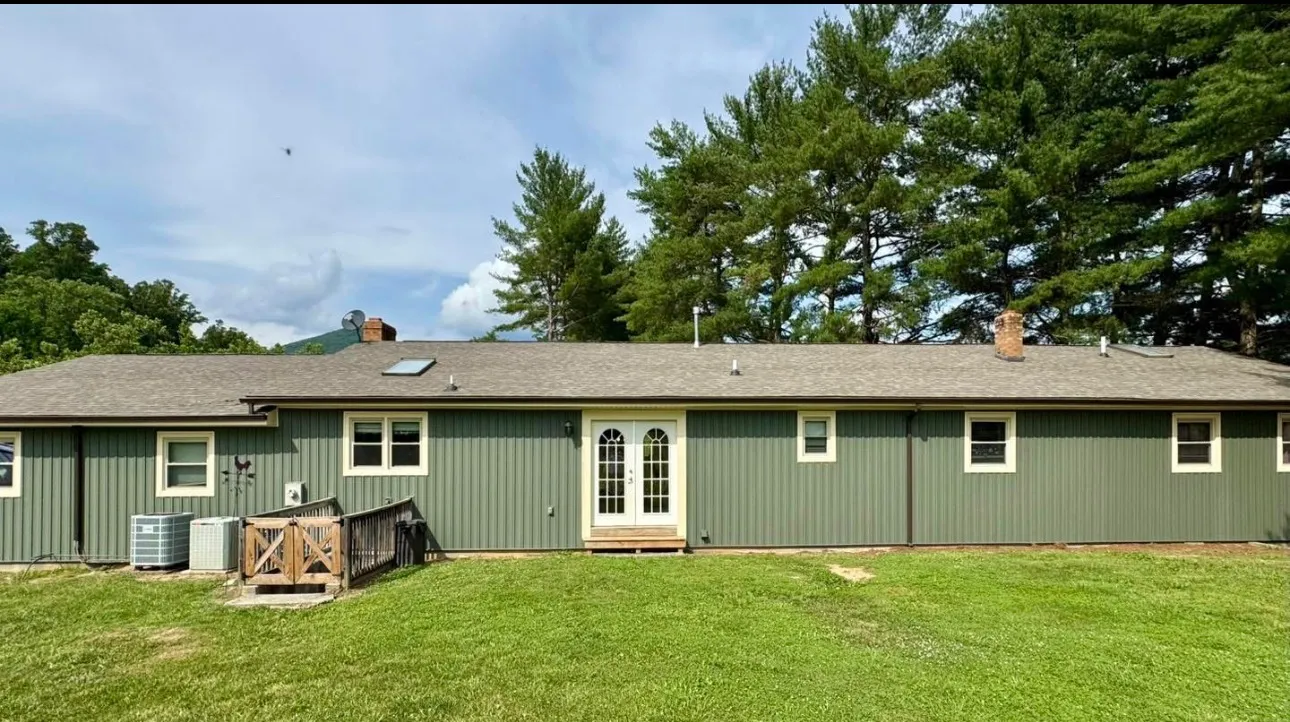
If something doesn’t look right, that walkthrough is the time to point it out. A good contractor would rather hear it then than have you wonder about it later.
Hardie board siding should be fastened the way the manufacturer’s instructions call for, with nails placed in the right spots and at the right gaps. Getting this wrong is one of the most common ways an install fails early, since fasteners in the wrong place can crack boards or let water in. A careful crew follows the fastening pattern for your specific board style and climate, which is why the nailing step matters as much as the flashing and spacing steps behind it.
It costs more than vinyl up front, mostly because the boards are heavy and take more labor to cut and hang. In return you get siding that resists rot and won’t feed a fire the way wood can. If you plan to stay in your home for a long time, it often earns that price. If you’re selling soon or watching every dollar, vinyl or LP SmartSide may fit better, and we’ll tell you so.
Not right away. It goes up with a factory-applied color or gets painted at install. Over the years the finish can fade on the sunniest walls, and someday it will need repainting. The board itself holds up well. It’s the finish that needs care down the road.
Get a free estimate. Call (540) 597-2328 today.
Get a Free Estimate