
Should You Repair It or Replace It?
Family-owned siding and exterior experts serving Southwest Virginia
Get a Free Estimate
What’s covered on this page
Most vinyl siding problems show up on the surface first as cracks, warped panels, loose pieces after a storm, or heavy fading. Some of these only need a wash or a single panel swap. Soft walls, moisture inside the house, or damage across a whole side are the signs that deserve a closer look. Vinyl is one of the materials we install and repair as a siding contractor in Bedford County.
You don’t need a ladder or special tools to check your siding. Walk around the house on a clear day and look at each wall from a few steps back, then up close. Here’s what’s worth paying attention to.
Some of what homeowners worry about is really just dirt. Humid summers bring green or black mildew, especially on north walls and spots shaded by trees. That usually washes off with a soft brush and a siding-safe cleaner. If it comes back clean with no damage underneath, you don’t need a contractor.
Freeze-thaw winters are harder to spot. When water gets behind a loose seam or a gap at a window and then freezes, it can push panels out of place and wear on the wood behind them. Check around windows, doors, and where the siding meets the roofline. Those are the spots where water most often finds a way in.
The honest rule is that a few damaged panels call for a repair. If the problems cover most of a wall, keep coming back after repairs, or come with soft spots and moisture inside, it’s time to talk about replacing the siding. Fixing piece by piece at that point usually means paying more over time for a wall that still isn’t right.
A lot of folks see one busted panel and figure the whole wall has to go. Most of the time, it doesn’t. Vinyl siding is built in a way that makes small fixes pretty simple.
Each panel locks into the one below it, like pieces of a puzzle. The panels also hang a little loose on their nails so they can move as the weather warms up and cools down. With a small hook called a zip tool, a panel can be unlocked, pulled out, and swapped for a new one. The panels around it stay right where they are.
Here are the kinds of problems a repair usually handles well:
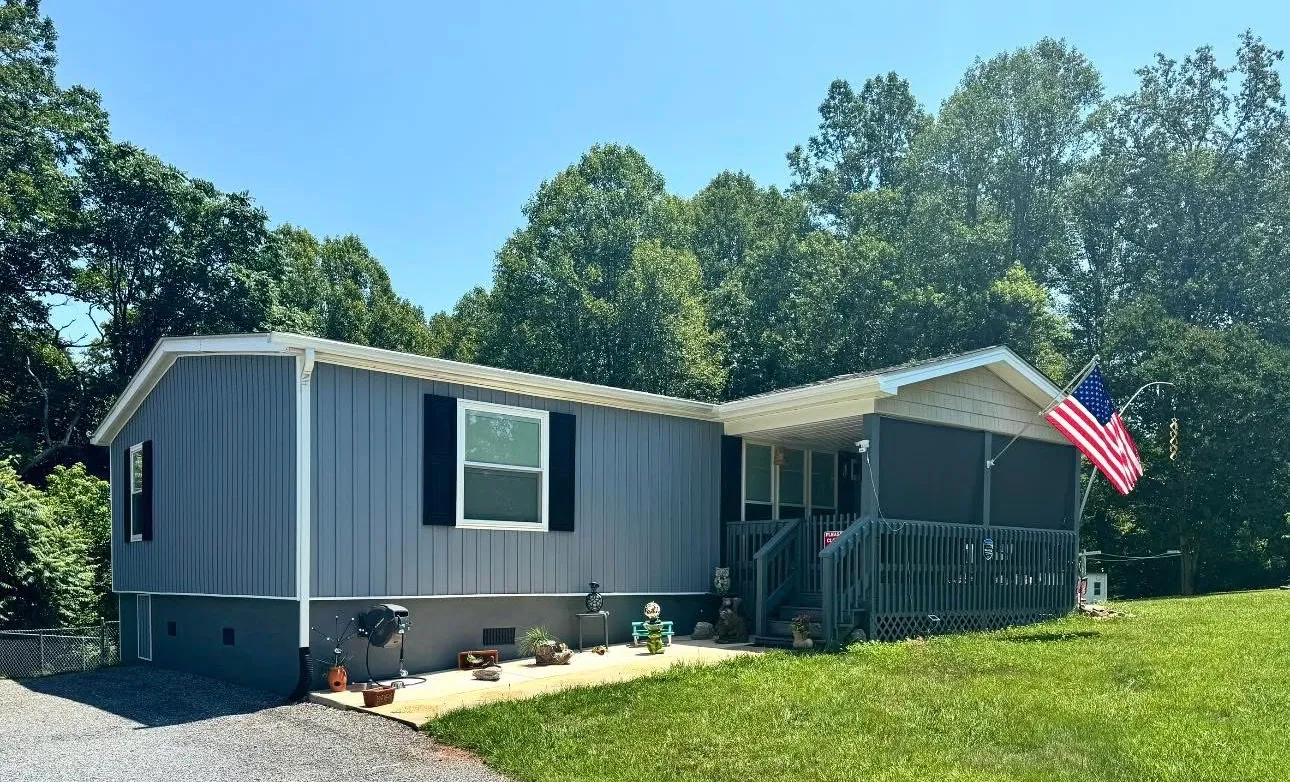
The trickiest part of a repair is often the color. A new panel can look brighter than the faded ones around it. One common fix is to take a panel from a spot nobody sees much, like behind a deck or on the back of the garage. That older panel goes on the front where it’ll blend in, and the new one goes in the hidden spot.
Another snag is the panel style. Vinyl comes in different shapes and widths, and some older styles aren’t made anymore. If yours can’t be found, a close match or a borrowed panel may still work. It’s worth checking before you assume the worst.
What does a repair cost? We don’t quote prices on a page, because every house is different. The price mostly comes down to a few things:
That last one matters most. If the sheathing behind the siding is soft or rotted, swapping the outside panel just hides the problem. The wet wood needs to be fixed first, or you’ll be back to the same spot after another round of freeze-thaw winters.
If a storm did the damage, we can inspect it and take photos to document it. We can also write up an estimate and a scope of work. If it looks like a claim makes sense, we’ll tell you so. We can meet your adjuster at the house and answer questions about our estimate.
We’ll always tell you if a repair is the right call. If a few panels fix it, that’s the job we’ll recommend.
Not sure what your Vinyl Siding project needs? Ask us.
Get a Free Estimate. Premier Exterior Improvements LLC is ready to help.
A siding inspection is a slow walk around your house, looking closely at the siding, the trim, and every spot where water could get behind the wall. The estimate is a written plan that says what needs to be done and why. Ours are free and no-pressure. You get a straight answer, and the decision stays yours.
You’ve already looked at your walls from the yard. A good inspection goes further and checks how the siding was put on, not just how it looks. Here’s what’s worth checking on any house:
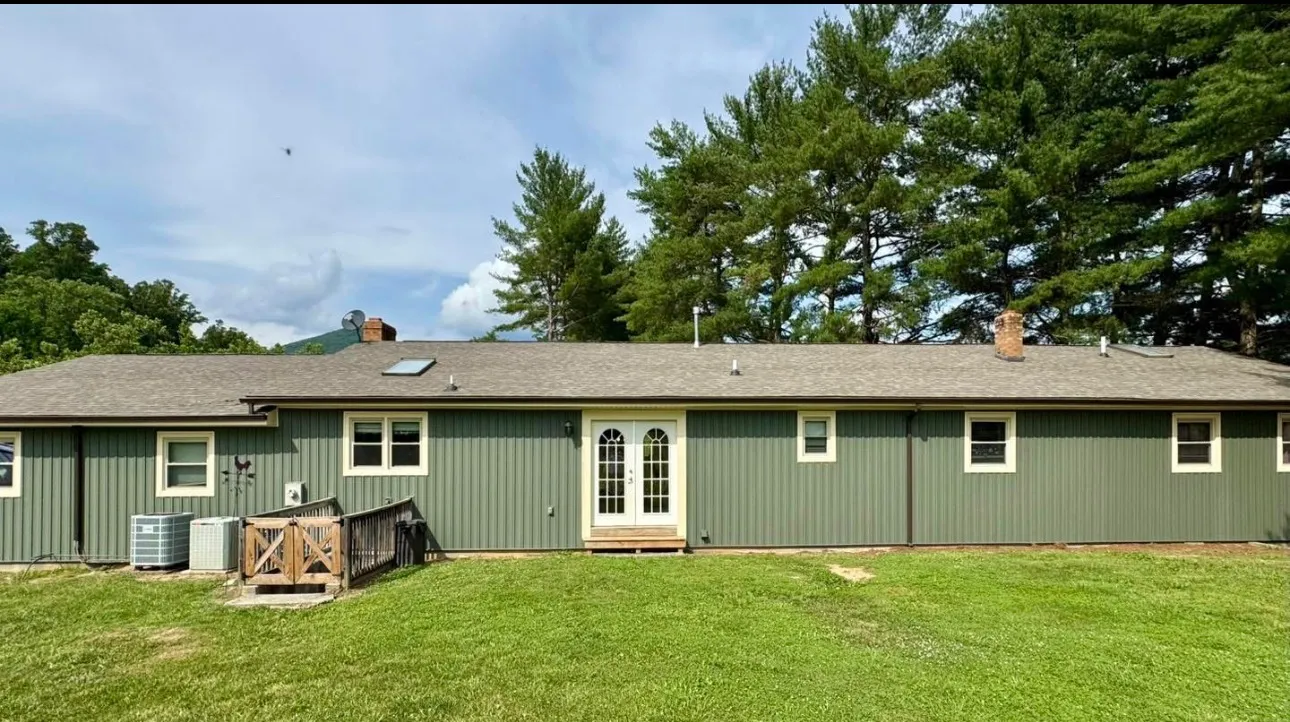
Expect some questions, too. How old is the siding? When does the leak show up, during heavy rain or after a thaw? Was there a big storm recently? Your answers help point to the cause, especially here in Bedford County, where freeze-thaw winters can hide a problem until spring.
A written estimate should make sense to you without someone standing there explaining it. Here’s what a clear one covers:
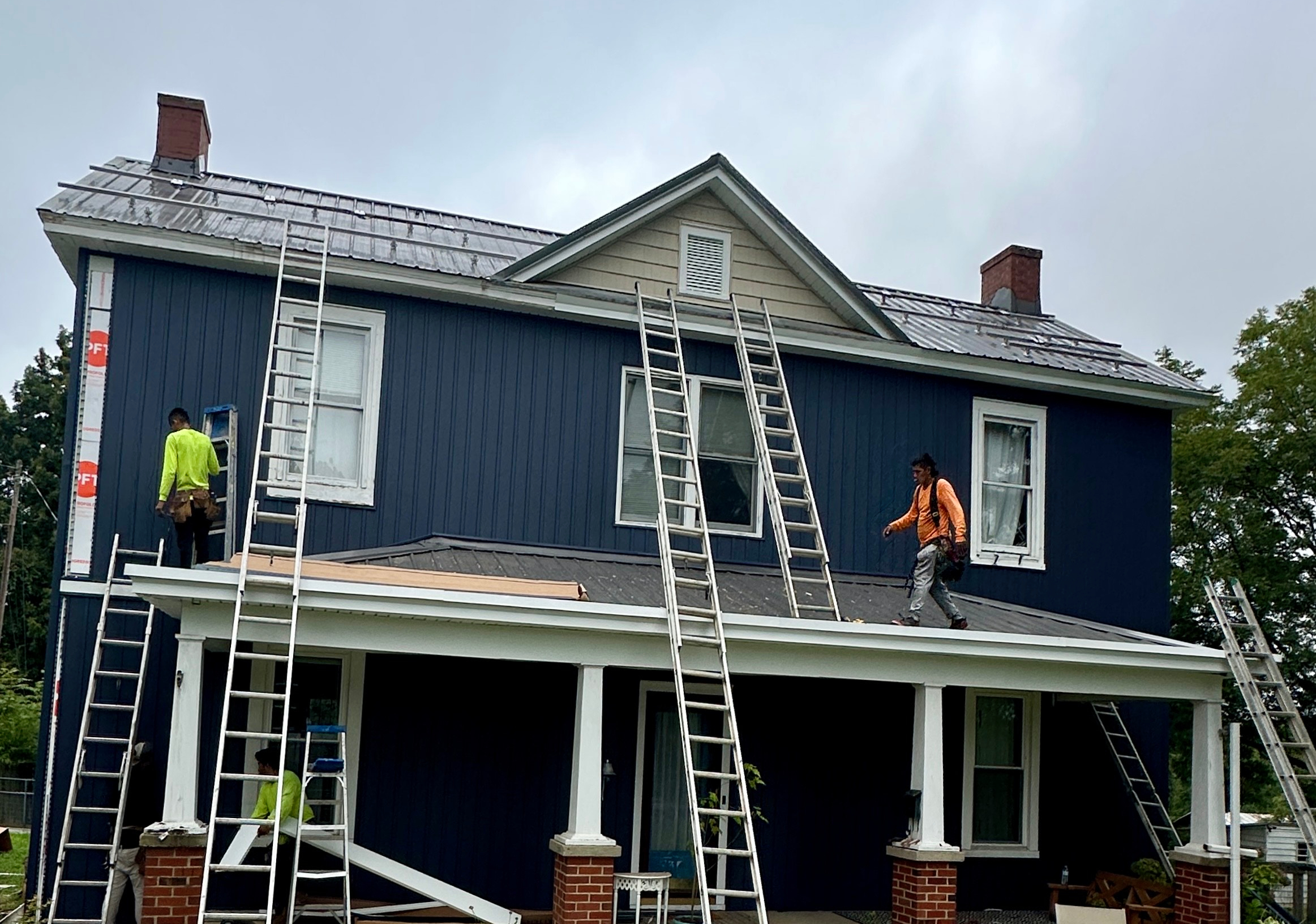
On a full replacement, a few things push the price up or down. The biggest ones are the size of the house and how many stories it has. A house on a sloped lot, which is common around Smith Mountain Lake, can take more work to reach safely. Lots of windows, corners, and gables add trim work, and tearing off old siding adds labor. Wet wood behind the wall is the one that can change the plan once the old siding comes off.
We’ll also walk you through material and color choices. Vinyl costs less up front, but it can crack if something hits it on a cold day. We also install fiber cement, James Hardie products, and LP SmartSide. So if another material fits your house better, we’ll tell you so.
If you’re getting more than one estimate, make sure they cover the same work so you’re comparing the same thing. It’s also fair to ask for a license number. Ours is Virginia Class B Contractor, License #2705199374.
Most of what makes vinyl siding last happens before the first panel goes up. The panels are what you see, but the layers behind them keep water out and keep the walls looking straight. Here’s how a good installation goes, step by step.
First comes the choice between tearing off the old siding and going right over it. Going over it can cost less up front and create less mess. The tradeoff is that nobody sees the wall underneath, so soft wood stays hidden and bumps in the old siding can show through the new. Tearing off takes more labor, but it lets any wet sheathing get fixed before it’s covered up again.
With the wall open and sound, the house wrap goes on. It’s lapped like shingles on a roof, with each upper piece over the one below it, so any water that sneaks behind the siding runs down and out. Flashing around windows and doors gets overlapped the same way. If a piece is lapped backward, it can funnel water into the wall instead of away from it.
Next is the starter strip, a metal or vinyl strip fastened along the bottom of the wall. The first row of siding locks into it. It has to be dead level, because every row above follows it. If the starter strip is off, the lines drift crooked and it shows at every corner and window.
Then the panels go up, row by row. Vinyl hangs a little loose on its nails on purpose. A careful installer puts each nail in the middle of the slot and leaves the head just shy of tight. Here are a few other details that tell you the job was done with care:

Local weather shapes the work, too. Thaxton summers get hot and humid, and winters swing between freezing and thawing. Vinyl grows in the heat and shrinks in the cold. A panel hung on a chilly morning is already a little short, so the gaps get set with that in mind. Cold vinyl is also more brittle, so it needs gentler handling and careful cuts. With that care, vinyl can go up in most seasons, not just spring and fall.
The last layer is trim, soffit, and fascia. These finish the edges and close off the roofline so birds, bugs, and water stay out. After that, a good crew hauls off old material and sweeps the yard for stray nails before calling it done.
A repair follows the same rules on a smaller scale. The new panel gets the same loose nailing and expansion room, and while the wall is open, it’s worth checking that the house wrap behind it is still intact.
The price of a vinyl siding job comes down to how much wall you’re covering, what you’re covering it with, and what else gets done while the crew is there. We don’t post prices, because two houses on the same road can need very different work. What we can do is show you what moves the number, so you know where your money is going.
Siding is usually measured in squares. A square is 100 square feet of wall. Windows and doors get subtracted, but the trim around them gets added back. That’s why a smaller house with lots of windows and corners can take more labor than a bigger, plain box. Size, height, and lot factors matter too, and those are choices that are yours to make.
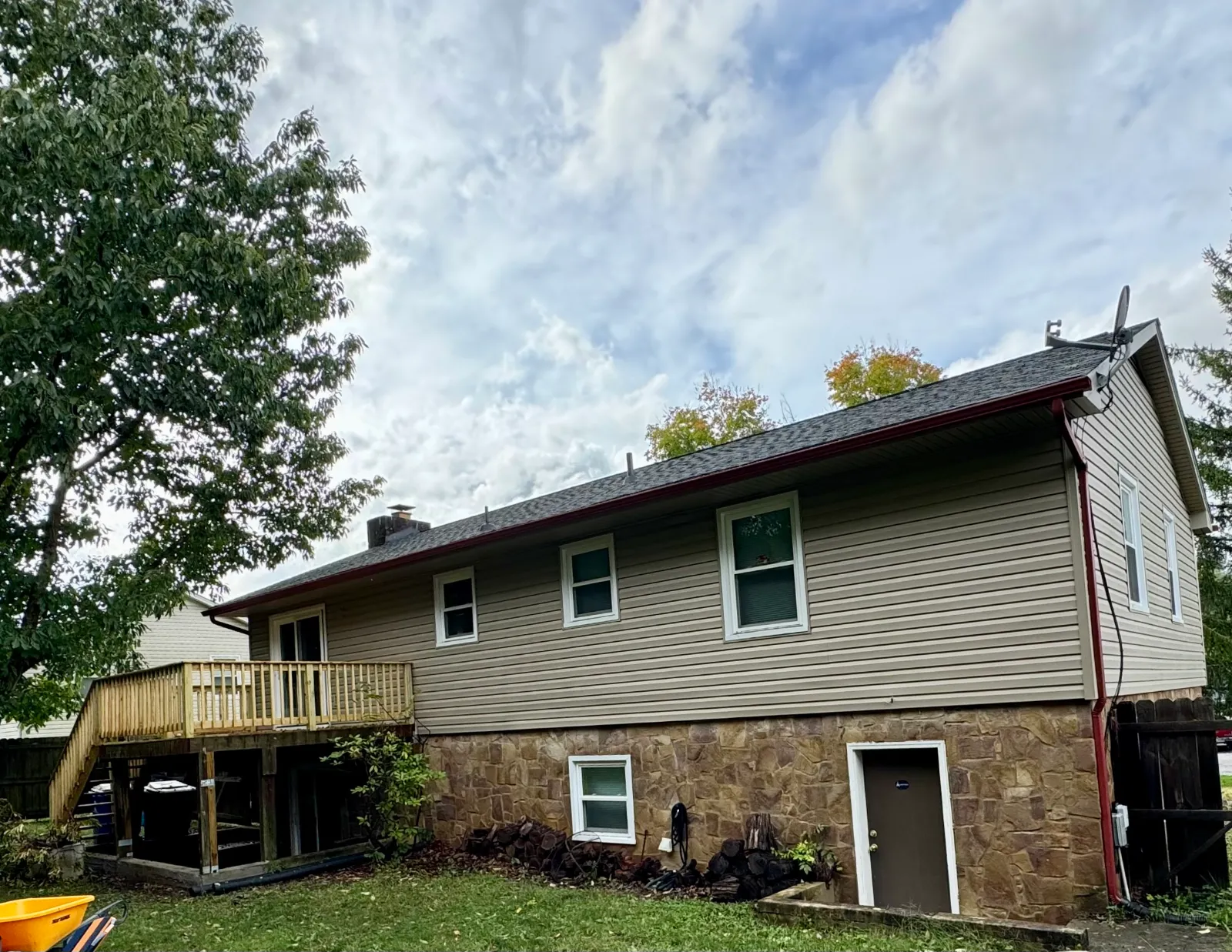
What else happens during the job matters too. Gutters often have to come down so the siding can go up behind them. If your gutters are old, replacing them at the same time can save paying to take them off twice. The same goes for soffit, fascia, and windows you already plan to replace. Bundling work can make sense, but it’s never required. If your gutters are fine, they go back up.
There are honest ways to keep the cost down. If only one or two walls are damaged, a repair or a partial job may be all you need. The catch is color. New panels won’t match faded ones, so a partial job works best on a side that’s out of view or ends at a corner. Going over the old siding can also cost less, as long as the wall underneath is sound.
When you read any estimate, look for what’s missing as much as what’s listed. Ask how the price changes if rotted wood turns up once the old siding comes off. Ask whether trim, house wrap, and hauling away old material are included. A clear answer up front keeps you from getting surprised halfway through the job.
If the damage is limited to a few panels and the wall behind them is solid, a siding repair usually makes sense. If the panels are brittle, faded all over, or the wall underneath is soft, new siding is the better buy. We’ll tell you which one we see.
It’s a vinyl panel with rigid foam bonded to the back. It sits flatter on the wall, resists dents better, and adds some insulation to your home. It costs more than standard vinyl, so we’ll show you both side by side.
Sometimes. Sun fades vinyl over the years, and makers retire colors and profiles. We look for the closest match. If a new piece would stand out on the front of the house, we may move an original piece there and put the new one somewhere less visible.
Get a free estimate. Call (540) 597-2328 today.
Get a Free Estimate