
Fix It or Replace It?
Family-owned siding and exterior experts serving Southwest Virginia
Get a Free Estimate
What’s covered on this page
If your gutters are clean and still overflowing, dripping, or pulling away from the house, cleaning won’t fix it. Those are signs of a bad slope, loose hangers, or leaking joints, and they usually call for gutter repair, not new gutters. Stains, peeling paint, or soft wood behind the gutter mean water is already getting where it shouldn’t. It’s part of the work we do as your gutter service team in Thaxton.
A clogged gutter and a broken gutter can look the same in a heavy storm. Water spills over the edge either way. The difference shows up once the gutter is empty. If it still won’t carry water to the downspout, the problem isn’t leaves. It’s the gutter itself.
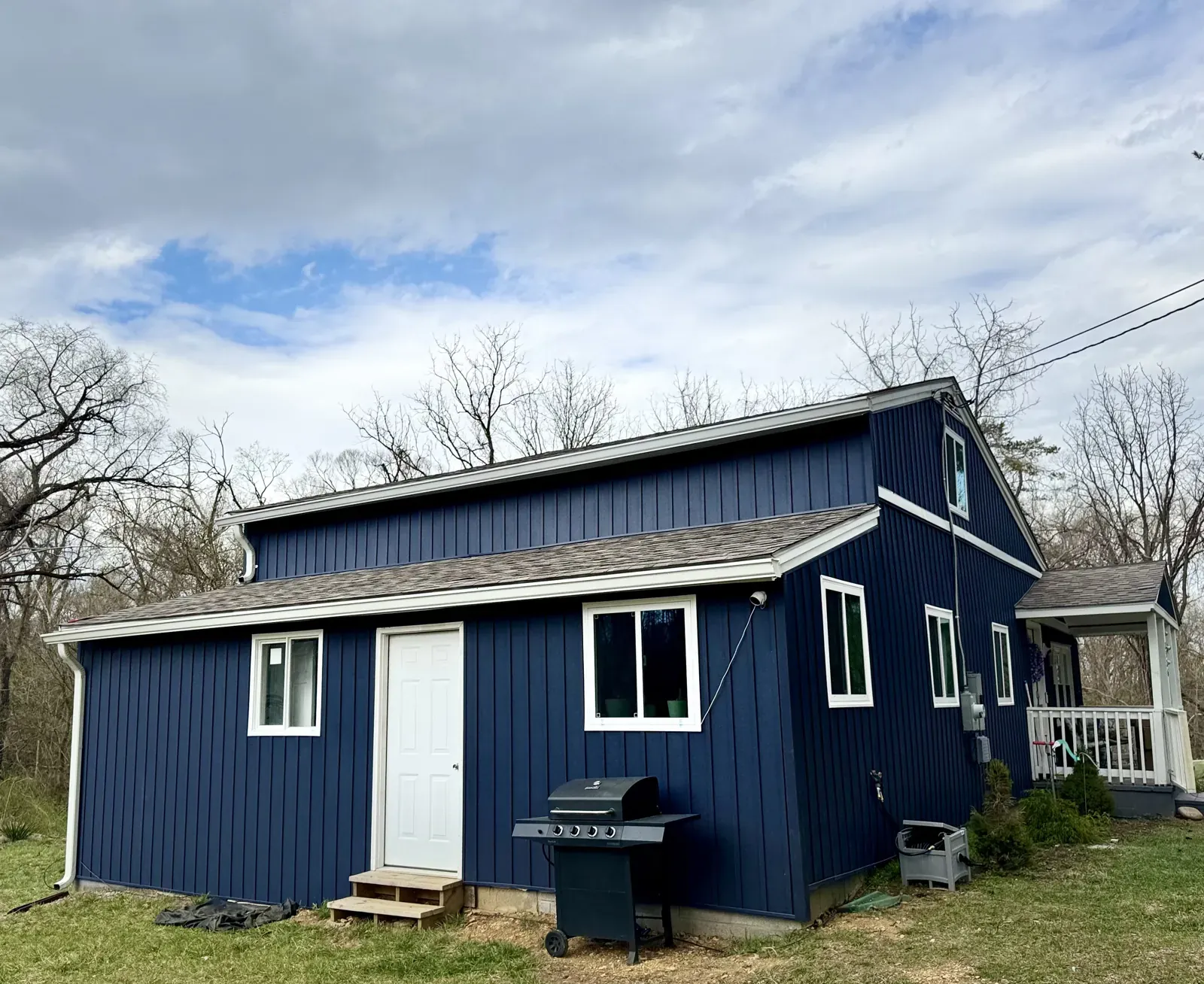
Here’s what tells us a gutter needs repair:
Our weather is hard on gutters. Strong summer thunderstorms dump a lot of water fast, and that tests every joint at once. In winter, water that sits in a low spot freezes, swells, and thaws again. Over a few seasons, that cycle can loosen hangers and open up seams that were fine when they went in.
The signs on your walls matter most. When water runs behind a gutter, it soaks the fascia and can rot it from the inside. From there it can work into the soffit, the underside of your roof overhang, and stain or damage the siding below. A gutter repair is a small job. Replacing rotted fascia and siding is a bigger one. That’s why we’d rather catch a leaking joint early than wait for the wood to go soft.
Now the honest part. If the overflow only happens in the fall, and you pull a pile of leaves and seed pods out of the gutter, you may only need a cleaning. Watch the next rain after it’s cleared. If the water runs to the downspout and nothing drips, you’re fine. Our gutter cleaning service handles that if you’d rather not get on a ladder.
One more tip. Press gently on the fascia board near any spot that’s been dripping. If it feels soft or spongy, mention that when you call. It changes what we’ll look at, and it helps us tell you plainly whether you need a few new hangers or a little more.
Most gutter problems are repair jobs. If the trouble is in one spot, like a leaking corner, a few loose hangers, or one run that sags, fixing that spot is usually the right call. You don’t need new gutters because one seam drips.
We’d rather tell you that up front. A good repair costs less, takes less time, and leaves the rest of a working system alone. That’s the honest answer more often than people expect.
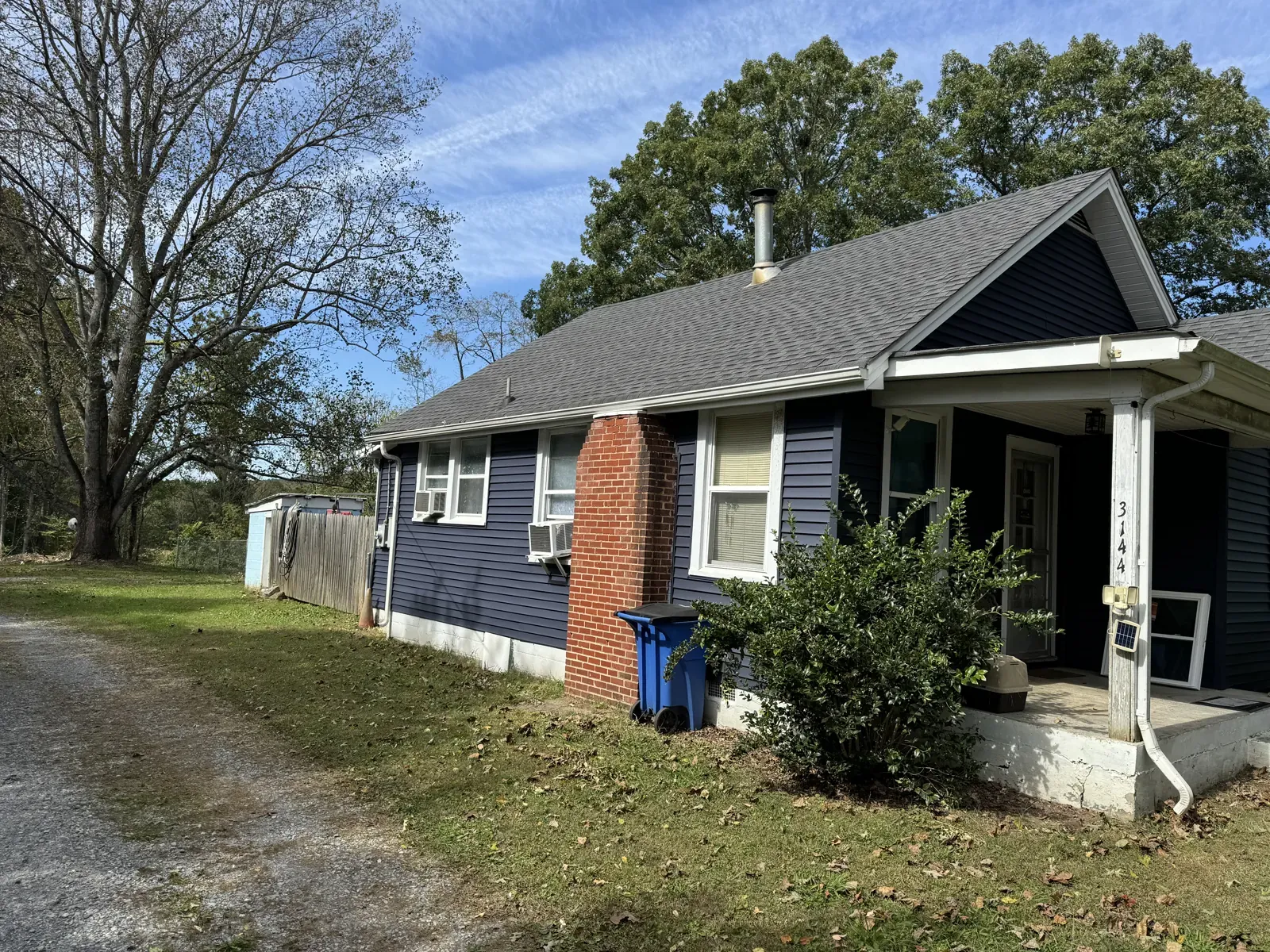
Repair usually makes sense when:
Replacement starts to make more sense when the problems aren’t in one spot anymore. Here’s what tips it:
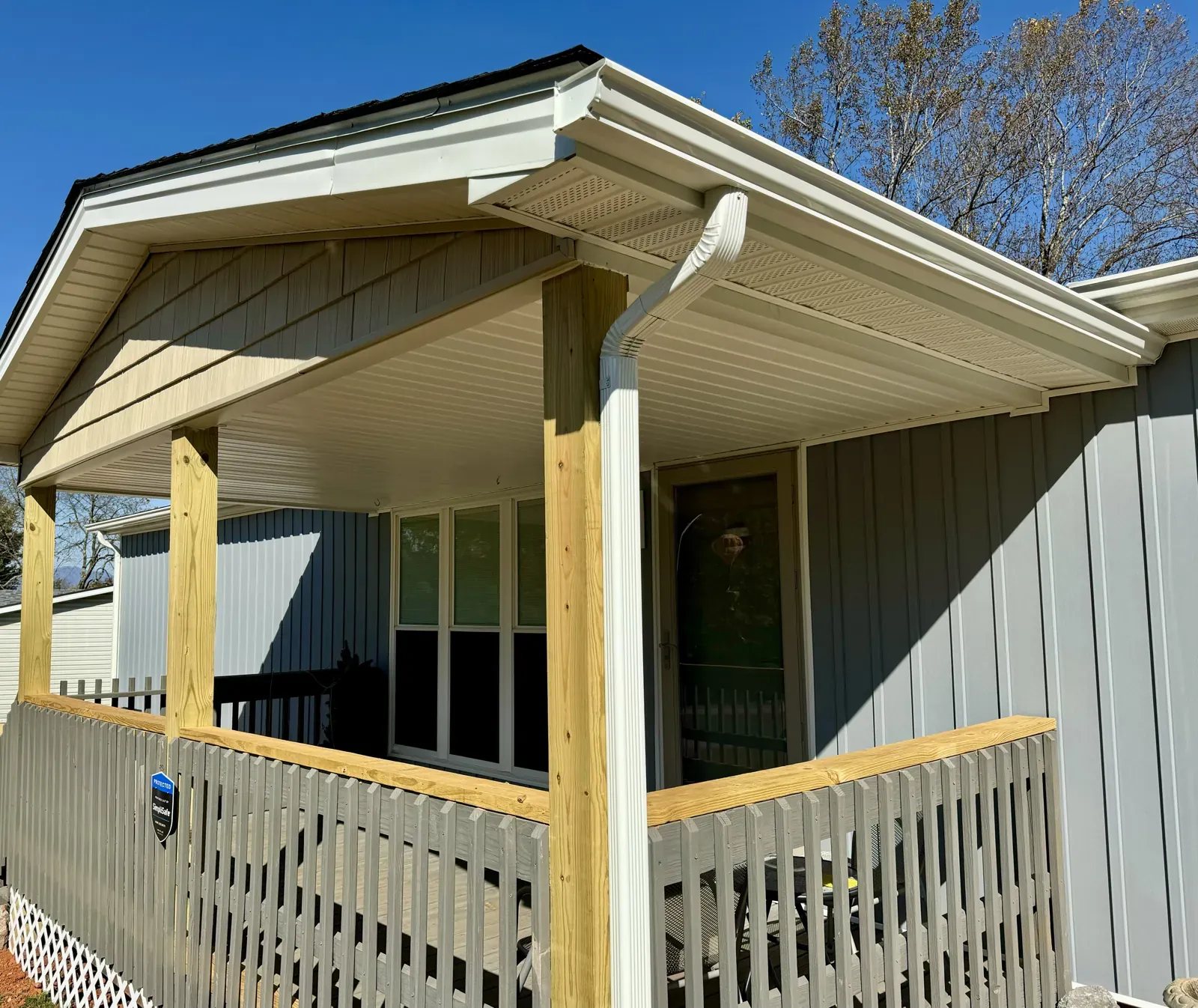
Older sectional gutters are a common reason people end up replacing. These are gutters made from shorter pieces joined together, and every joint is a place that can leak. After enough freeze and thaw cycles, those joints keep opening up. Seamless gutters are formed in one long piece on site, so the only joints are at the corners and downspouts. If you’ve reached the point of chasing leaks, our seamless gutter installation is worth a look.
Planning new siding or a new roof soon? Talk to us before you put money into gutter repairs. Gutters, fascia, and trim often come off during a siding job, and it can make more sense to finish everything together than to fix gutters now and replace them next year.
On cost, we won’t quote numbers here, because every house is different. Here’s what moves the price up or down:
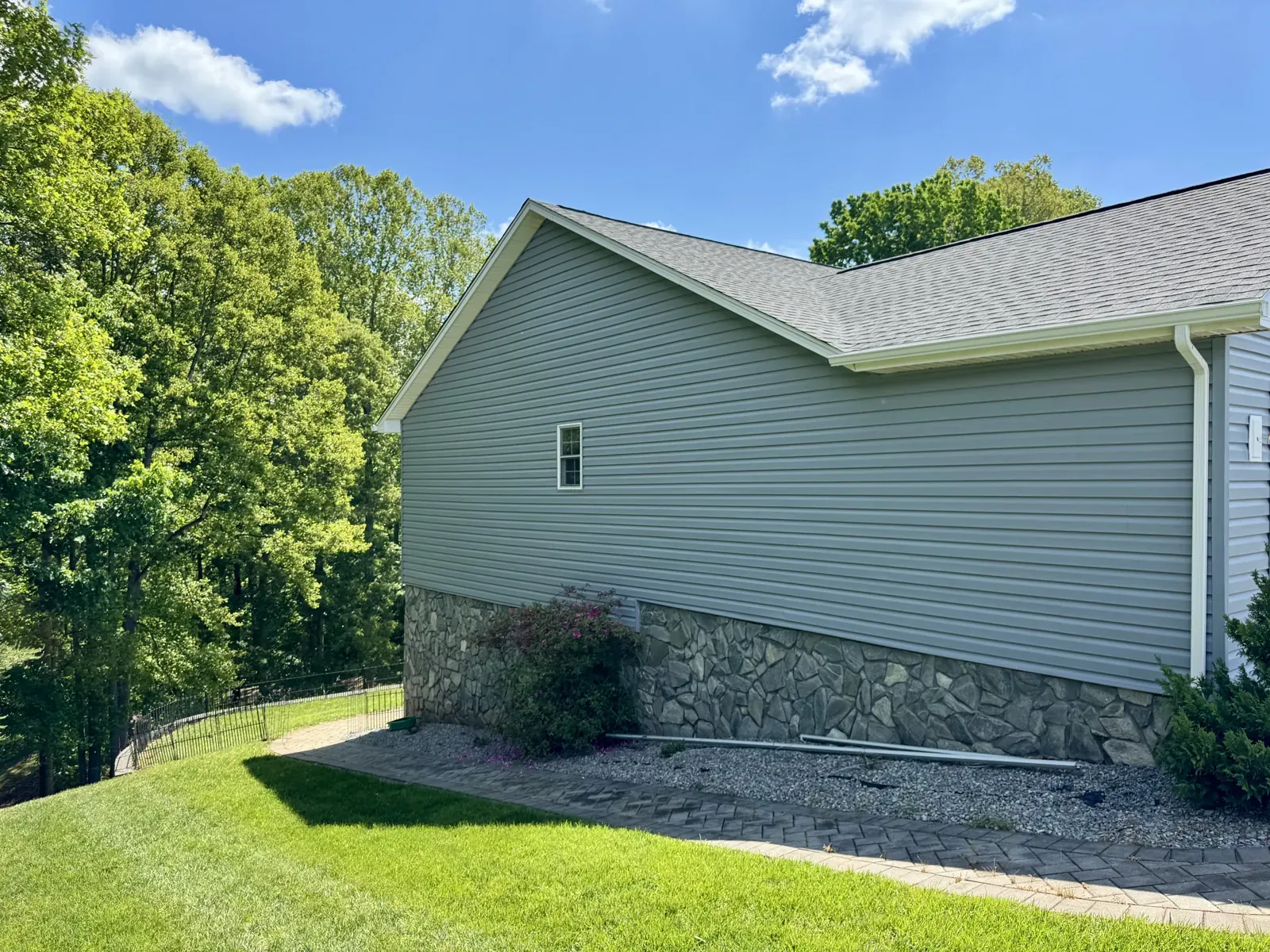
Not every gutter issue needs us. Some things look worse than they are, and some aren’t gutter problems at all. Here’s when we’d tell you to hold off, beyond the leaves-only case we covered above.
A dent that still drains is just a dent. Maybe a ladder or a falling branch put a ding in the front of the gutter. If water still runs past it to the downspout and nothing drips, it’s doing its job. It may not look perfect, but it doesn’t need fixing.
Faded or chalky paint on a gutter is the same story. Afternoon sun does that over time. It’s cosmetic, not a leak.
Some fixes are simple enough to handle from the ground. You don’t need to call anyone for these:

One overflow in a big storm isn’t always a failure. Our summer thunderstorms can drop a huge amount of rain in a few minutes. Gutters can spill over for a moment during a downpour like that, then drain fine once it lets up. If it only happens in the worst storms, and the gutter is empty and dry the next day, you probably don’t have a repair problem.
What to watch for is a pattern. If it spills in every ordinary rain, or always at the same corner, that points back to the signs we listed earlier.
Water in the basement isn’t always the gutter’s fault. Sometimes the gutters work fine, but the ground slopes toward the house. Rain hits the yard and runs right back to the foundation. New gutters won’t fix that. Check where the water goes after it leaves the downspout before you blame the gutter.
The same goes for a stain on an inside ceiling or wall. That’s more likely a roof, flashing, or window issue than a gutter issue. We’d want to look at the roof before we touched the gutters.
Old stains don’t always mean new leaks. If a seam was fixed a while back, the streaks on the siding below may still be there. Run a hose in the gutter on a dry day. If the joint stays dry, the stain is history, not a current problem. A good wash may be all that wall needs.
And if new siding or a new roof is on your list in the next year or so, a small drip can usually wait until that project, as long as the wood behind it is still firm.
We covered the big cost drivers above: footage, height, corners, and the wood behind the gutter. Here’s how gutter repair pricing usually works in this trade, and where a bill can change once a job starts.
Gutter contractors price small repairs in a few common ways. Some charge by the linear foot of gutter they work on. Some price by the item, like each seam resealed or each hanger replaced. Many have a minimum charge for small jobs, because it takes the same trip and the same ladder setup to fix one corner as it does to fix three. Knowing which way an estimate is built helps you compare two of them fairly.
The biggest surprise in gutter repair is usually the wood. A gutter can look like it only needs new hangers. Then it comes down, and the fascia behind it is soft where water has been running for a few seasons. That’s why the soft-board check we mentioned earlier is worth doing before you call. It gives a fair estimate a better starting point.
Matching matters too. Gutters come in different shapes, sizes, and colors. A patch that doesn’t match the profile of your existing gutter may not seal well at the joint. A color that’s a shade off will show on the front of the house. If your gutters are older, finding a close match can take a little more work.
If a storm or a falling limb did the damage, it may be worth talking to your insurance company. We can inspect and document the damage, write up an estimate and scope of work, and meet your adjuster at the house to answer questions about our estimate. Whether to file is your call, and we’ll tell you plainly if we think it’s worth it.
Before you hire anyone for gutter work, these questions help you know what you’re paying for:
Timing affects cost more than most people think. A leaking corner caught early is a small job. The same corner left through a few winters of freeze and thaw can mean new fascia, fresh paint, or siding repair underneath. Fixing it while it’s still small keeps the bill small.
A gutter repair visit starts with a look, not a ladder full of parts. Our estimates are free and our inspections are no-pressure. We’ll walk the gutters with you and look at where the water is going. Then we’ll tell you plainly whether it’s a repair, and what that repair should include.
It helps if you can point out the trouble spots. Tell us which corner drips, where the water spills in a normal rain, and any stains you’ve noticed on the siding. You see your house in every storm. We only see it on the day we come out.
Whoever does the work, a solid gutter repair usually follows the same basic order. Knowing it helps you tell a real fix from a quick patch.
Clear the gutter first. Leaves and grit hide problems, and new sealant won’t stick to dirt.
Fix the joint, not just the drip. A leaking seam usually needs the old, cracked sealant scraped out and the metal cleaned before fresh sealant goes on. Smearing new caulk over old caulk tends to fail by the next winter.
Fasten it back solid. Loose hangers get replaced or reset into firm wood, so the gutter holds its weight when it fills with water.
Check the slope. The gutter needs a slight fall toward the downspout so water doesn’t sit in a low spot and freeze.
Reattach and clear the downspouts so they carry water away from the foundation.
Test it with water. Running a hose in the gutter shows whether the seam stays dry and the water reaches the downspout.
That last step is the one people skip. If a repair isn’t tested, nobody knows it worked until the next storm. It’s fair to ask for a water test before anyone packs up.
When a gutter comes down, it also gives a clear view of what’s behind it. That includes the top edge of your siding and the trim along the roofline. Siding is the core of what we do, so we’ll tell you what we see up there. We’ll also tell you whether it needs attention now or can wait.
There are a few small things you can do to get ready for the work:

After the repair, watch the first good rain. Stand where you can see the corner or seam that used to leak. The water should run along the gutter and out the downspout, with no drip and no spill over the front. If it does that in a normal Bedford County rain, the repair did its job.
Keep an eye on it again after the first hard freeze. Freeze and thaw is what opens up seams around here. A joint that makes it through a winter dry is a joint that was fixed right.
You can usually repair just the section that’s causing trouble. If the leak is at one or two seams and the rest of the gutter is solid, fixing that spot is the right call. We only look at replacing a full run when problems show up in multiple places along the same stretch.
Most repairs are a same-visit fix once we’ve inspected the problem area. The work itself follows a set order: clearing the gutter, fixing the joint, resetting hangers, checking the slope, and testing with water, so a single leaking corner or a few loose hangers doesn’t take long to put right.
It depends on how much of the fascia is damaged. If the board is soft in one small spot, we can often swap that piece and rehang the gutter during the same visit. If it’s soft end to end, that’s a bigger repair, and we’ll tell you plainly before doing any work.
Check if it’s a simple ground-level fix first. A bottom elbow that popped off, a moved splash block, or a loose extension can usually be pushed back into place without a call. If it keeps happening or the downspout itself is crushed, that’s worth having us look at.
Get a free estimate. Call (540) 597-2328 today.
Get a Free Estimate