
Every siding material and install service we offer
Family-owned siding and exterior experts serving Southwest Virginia
Get a Free Estimate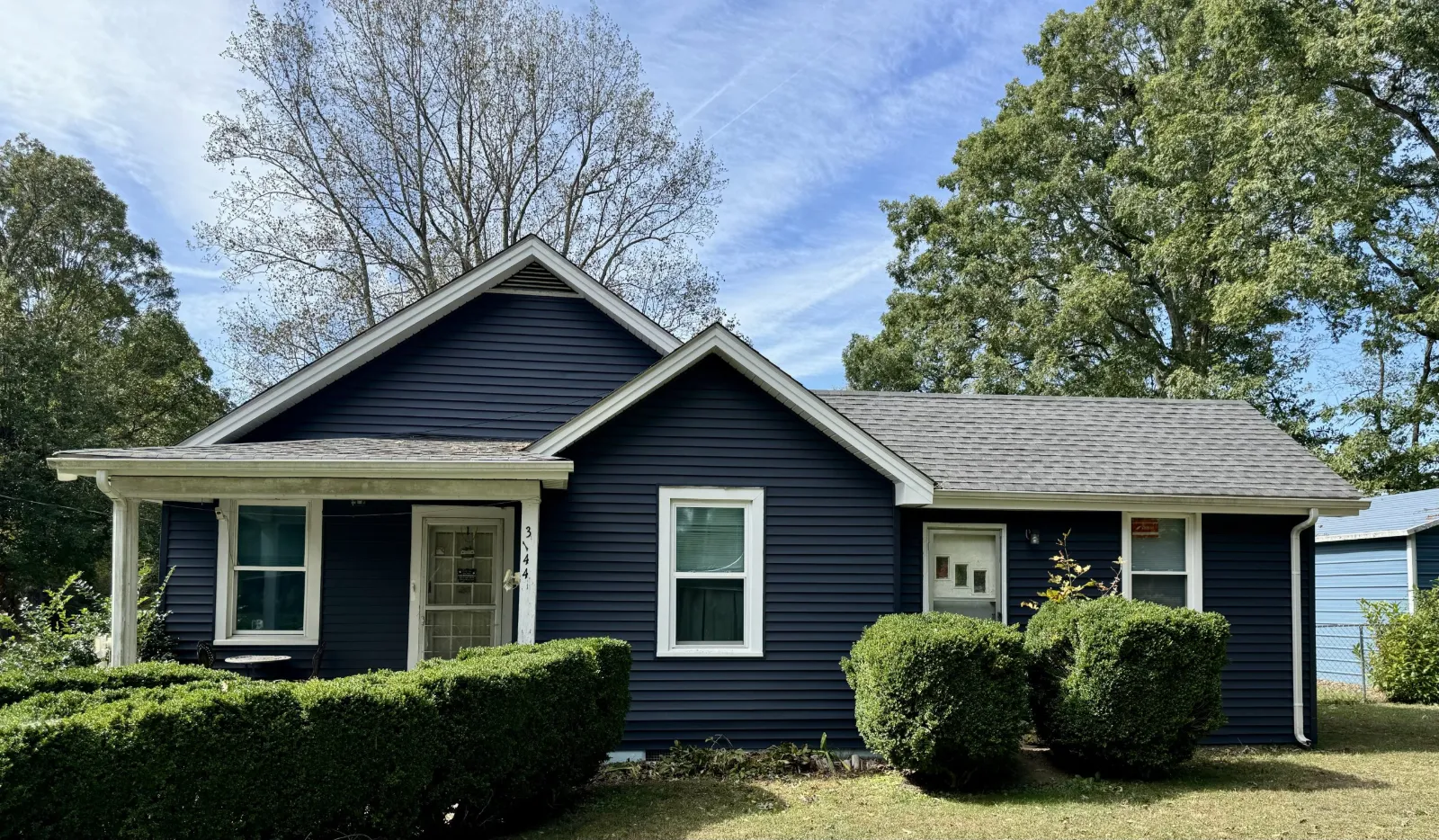
What’s covered on this page
Siding installation means taking off the old siding, fixing what’s underneath, and putting new material on the whole house. This page walks through every siding material and installation service Premier Exterior Improvements offers, so you can find the one that fits your home. It’s the core of our work as a siding contractor in Thaxton.
If you own a home in Thaxton, your siding takes a beating. Around Smith Mountain Lake and across Bedford County, humid summers, wind-driven rain, and winters that freeze and thaw wear it down faster than you’d think. Siding is the heart of what we do, and we’re family-owned and based right here in town.
Picture a ranch house built in the 1980s. The siding on the south wall has faded to a chalky film, a few boards near the ground feel soft, and the whole thing just looks tired. That’s when a full siding installation makes sense. Many homes in Bedford County still have their original wood or aluminum siding, and a lot of it has reached the end of its life.
Here’s what a siding installation with us usually looks like:
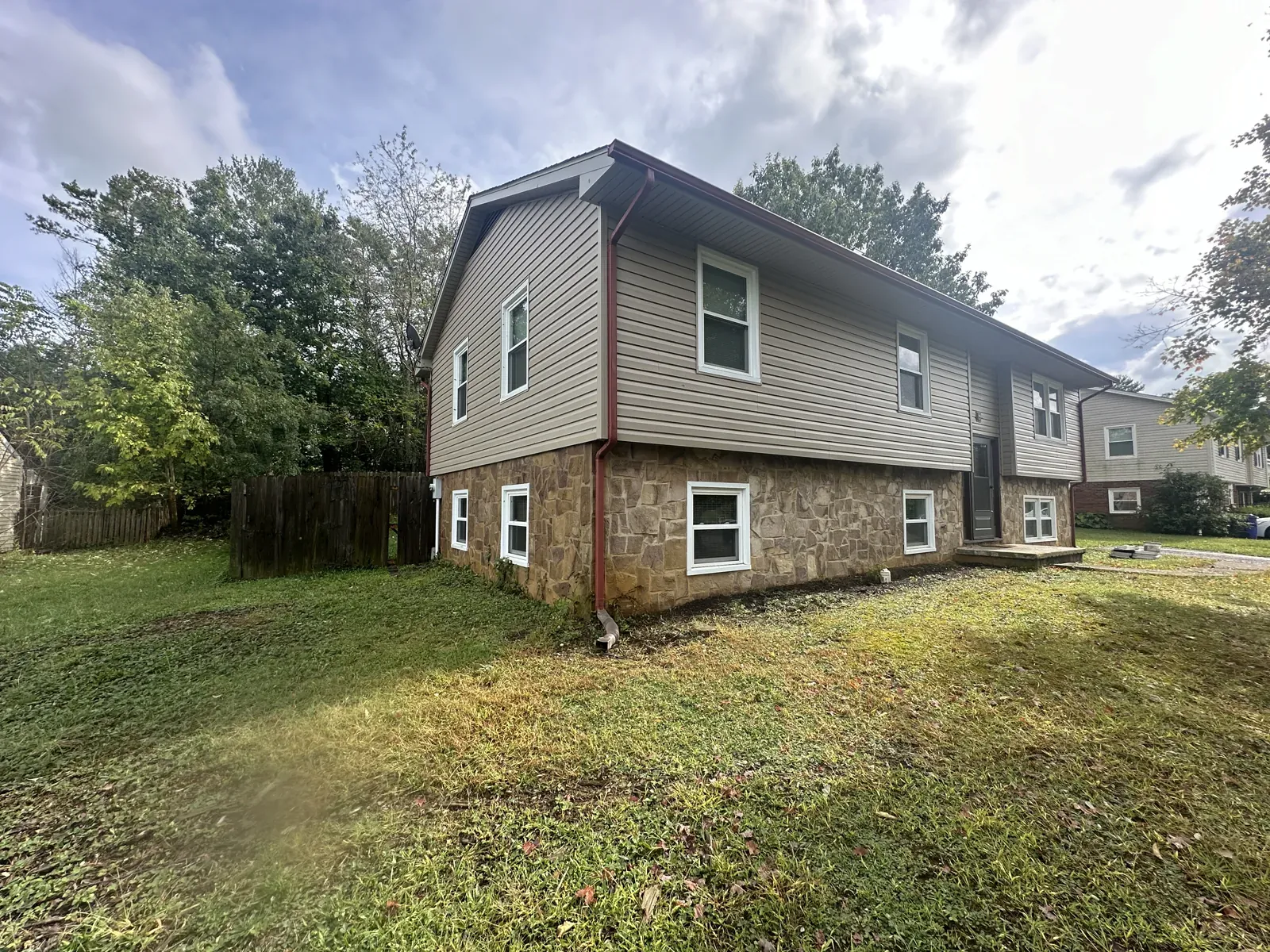
Vinyl siding is made from PVC, a tough plastic, and it comes in long panels that lock together. It won’t rot, it doesn’t need paint, and a rinse with a garden hose takes care of most mildew. That matters on the shady north side of a house here, where a green film shows up after a humid summer.
We install standard vinyl and insulated vinyl. Insulated vinyl has a foam backing behind each panel. It feels stiffer on the wall and helps the siding lie flatter.
There’s a tradeoff, and you should hear it from us up front. In a hard freeze, vinyl gets brittle. A limb blown down in a winter storm or a stray baseball can crack a panel. Strong afternoon sun can also fade darker colors over the years.
Vinyl siding is one material choice inside a bigger siding installation. If you already know vinyl is what you want, you’re past the hardest part. Now it’s about style, color, and profile. See vinyl siding installation for styles and details.
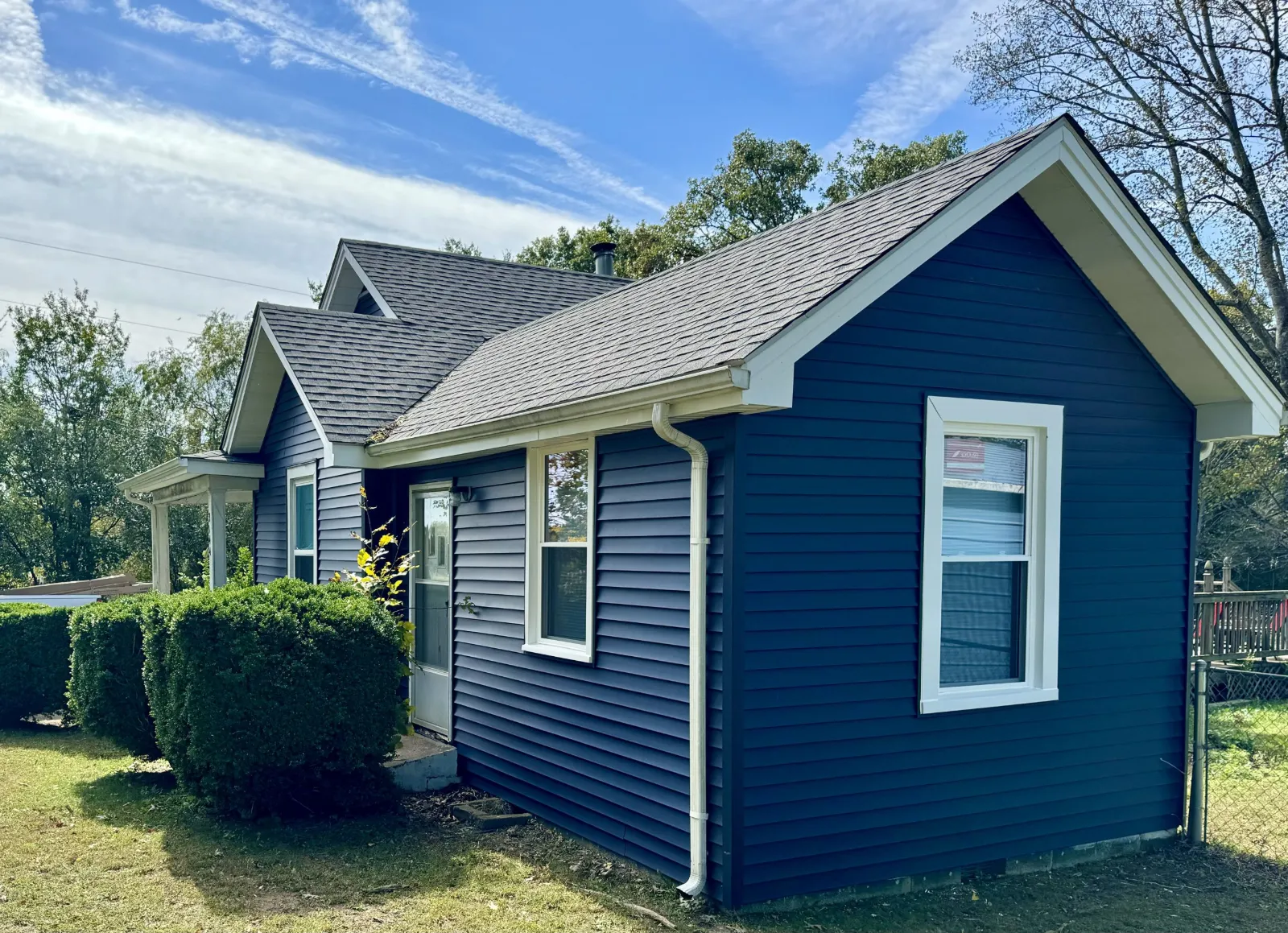
Already set on James Hardie? Then you’ve done some homework. James Hardie is a brand of fiber cement siding, and plenty of homeowners ask for it by name.
We install James Hardie products. The boards are heavy and stiff, so the way they go on the wall matters as much as the boards themselves. We pay close attention to:
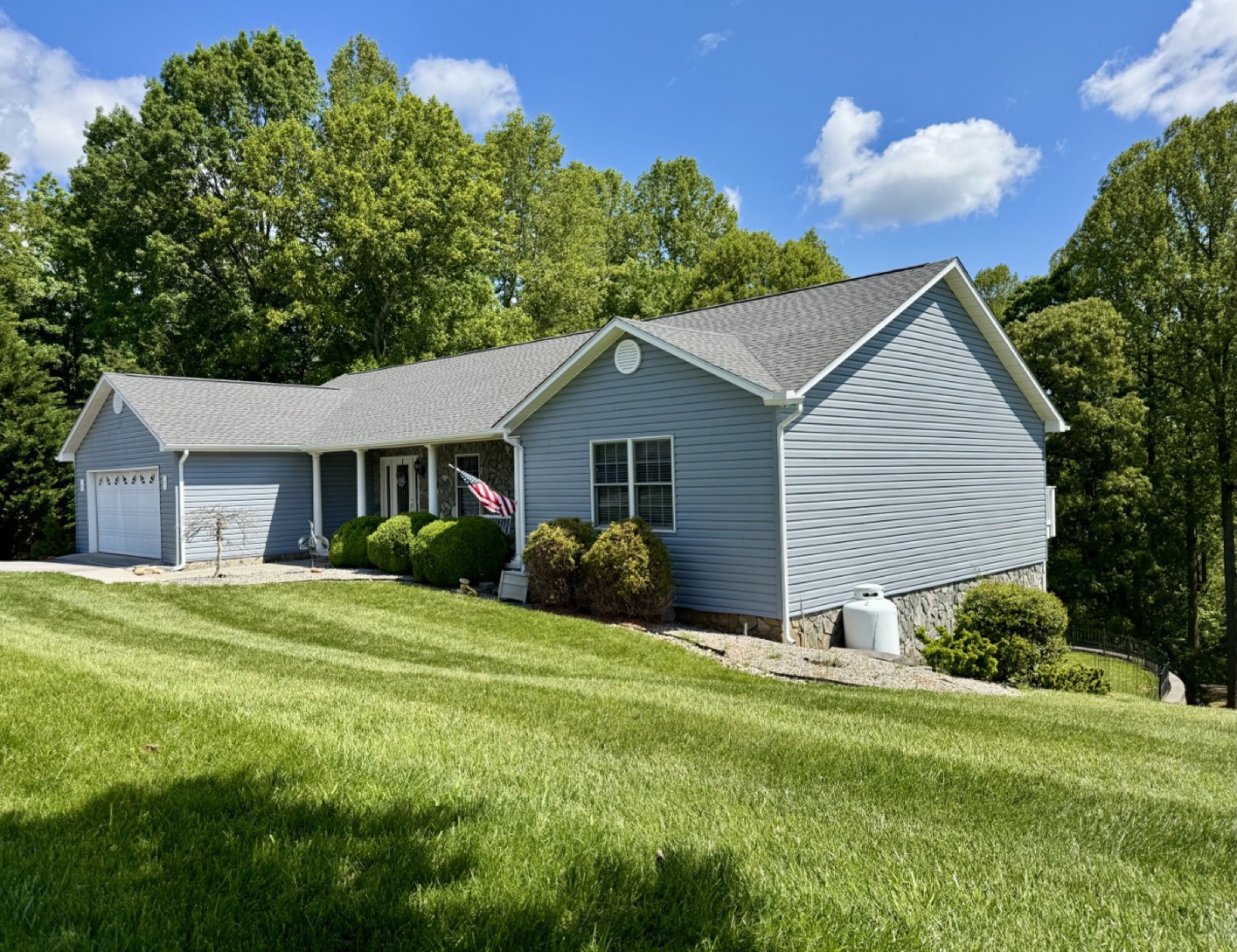
Here’s the plain difference. James Hardie is one brand. Fiber cement siding installation covers the whole material type, for folks who like the idea but aren’t brand-set yet. The tradeoff with James Hardie is a heavier, slower install than vinyl, and painted boards will need fresh paint someday. Read more on James Hardie siding installation.
Some homeowners want the warm look of real wood siding without the rot and repairs that come with it. That’s where LP SmartSide fits.
LP SmartSide is engineered wood. It’s made from wood strands bonded with resins and treated to resist moisture, rot, and insects. It has a wood-grain texture and comes in lap siding, panels, and trim. We install LP SmartSide as one of our core siding products.
The key difference from its neighbors on this page is the material. LP SmartSide is engineered wood, while James Hardie and HardieShingle are fiber cement. They can look alike on a house, but they’re built, cut, and installed differently.
Here’s the honest tradeoff. LP SmartSide is still wood at its core. Cut ends need sealing during the install, and the paint needs care over time to keep moisture out. On a lakefront or heavily shaded lot, we’ll talk through whether it’s the right fit for that spot.
It’s lighter than fiber cement and handles everyday bumps well. For a lot of houses, that balance is just right. See LP SmartSide installation for the details.
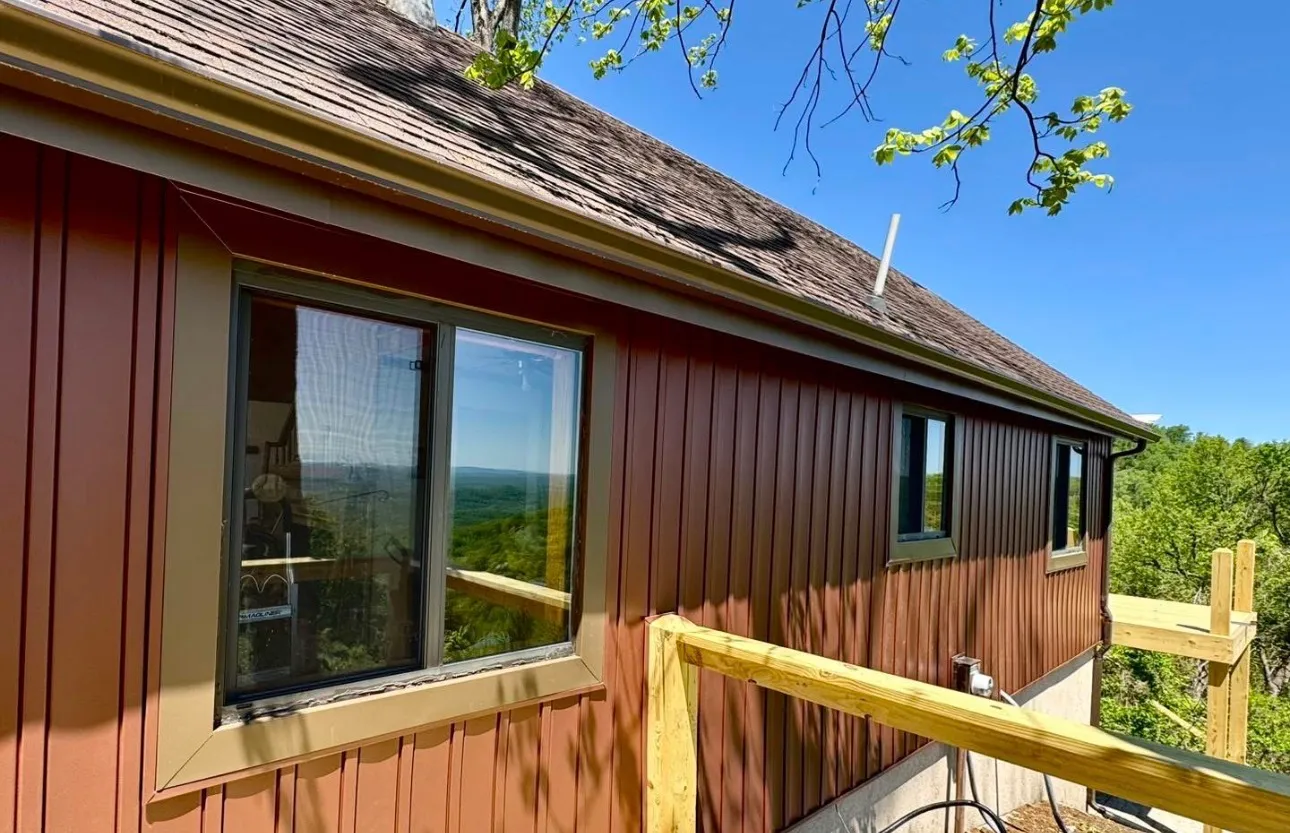
Fiber cement is the material. James Hardie is one product line made from it. This section is for homeowners who like what fiber cement offers but are still weighing their options.
Fiber cement siding is a blend of cement, sand, and wood fiber pressed into boards. It doesn’t burn easily, it doesn’t rot, and bugs can’t eat it. Out here, carpenter bees and woodpeckers love to chew into wood trim and siding. Fiber cement gives them nothing to work with.
It’s tough stuff to install, though. Cutting it throws off fine dust, so our crew uses the right blades and keeps the mess under control. Each board gets fitted snug at corners and openings, then sealed so water has no easy way in.
So what’s the catch? Fiber cement weighs a lot more than vinyl, and it takes more time and labor to put up. It holds paint well, but that paint is something you’ll care for over the years. If you want an exterior that stands up to our thunderstorms, those tradeoffs are often worth it. Learn more on fiber cement siding installation.
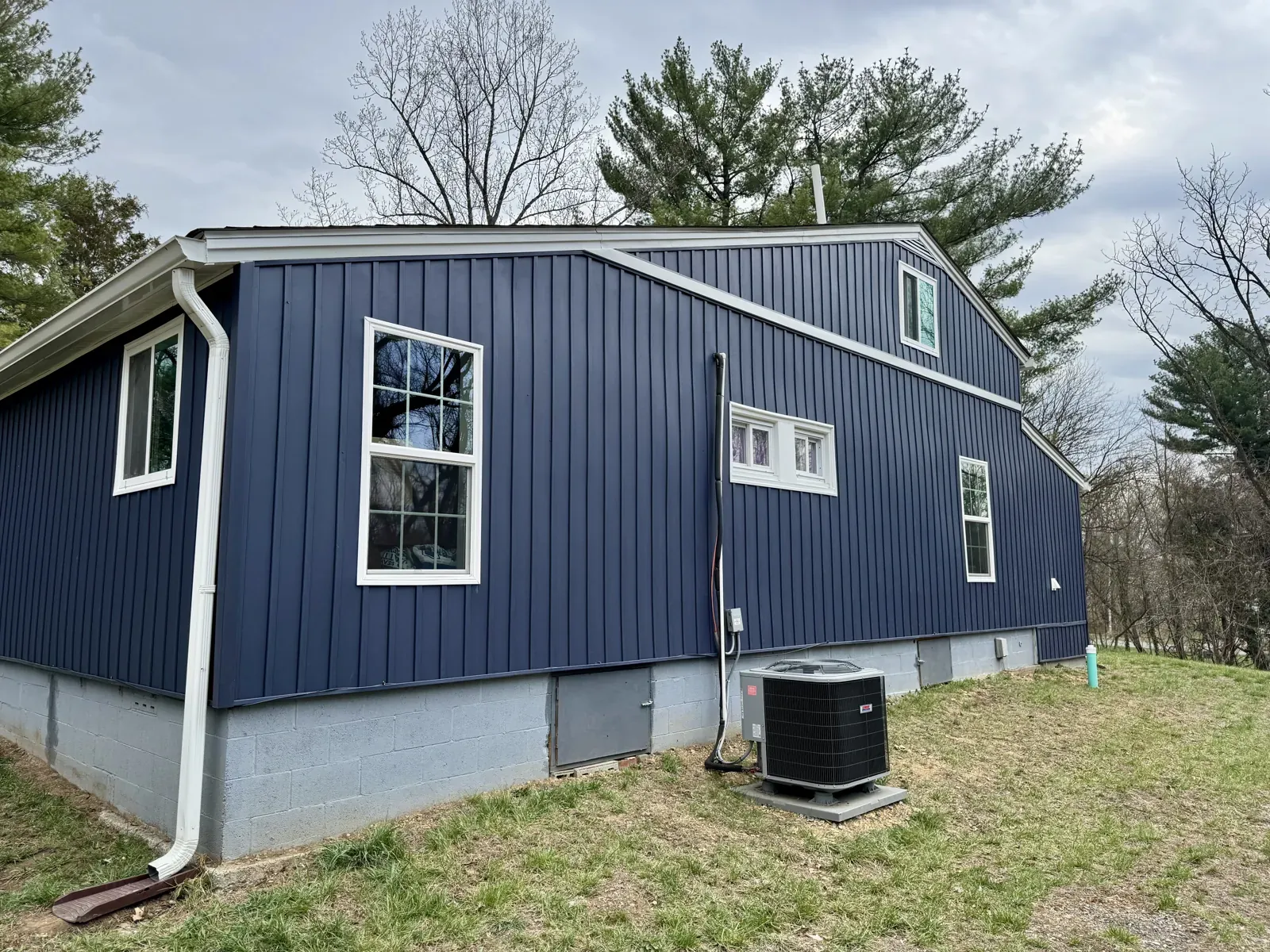
Cedar shake siding has a look people love. Rows of overlapping shingles give a house texture and shadow. The trouble is that real cedar needs regular care, and woodpeckers find it fast.
HardieShingle gives you that shingle style in fiber cement. It’s made to look like wood shingles but carries fiber cement’s resistance to moisture, rot, and pests. We install it as full-wall siding or as an accent on gables, dormers, and porch fronts.
Each row of shingles is called a course. We line up every course straight and stagger the joints so seams don’t stack up the wall. Corners and edges get finished clean. With shingle siding, small mistakes are easy to see, so we take this part slow.
HardieShingle is different from standard James Hardie siding, which comes in flat lap boards and panels. It’s also different from board and batten, which runs vertically. The tradeoff is weight and labor. Like other fiber cement, it’s heavy, and fitting each course takes time. Learn more on HardieShingle installation.
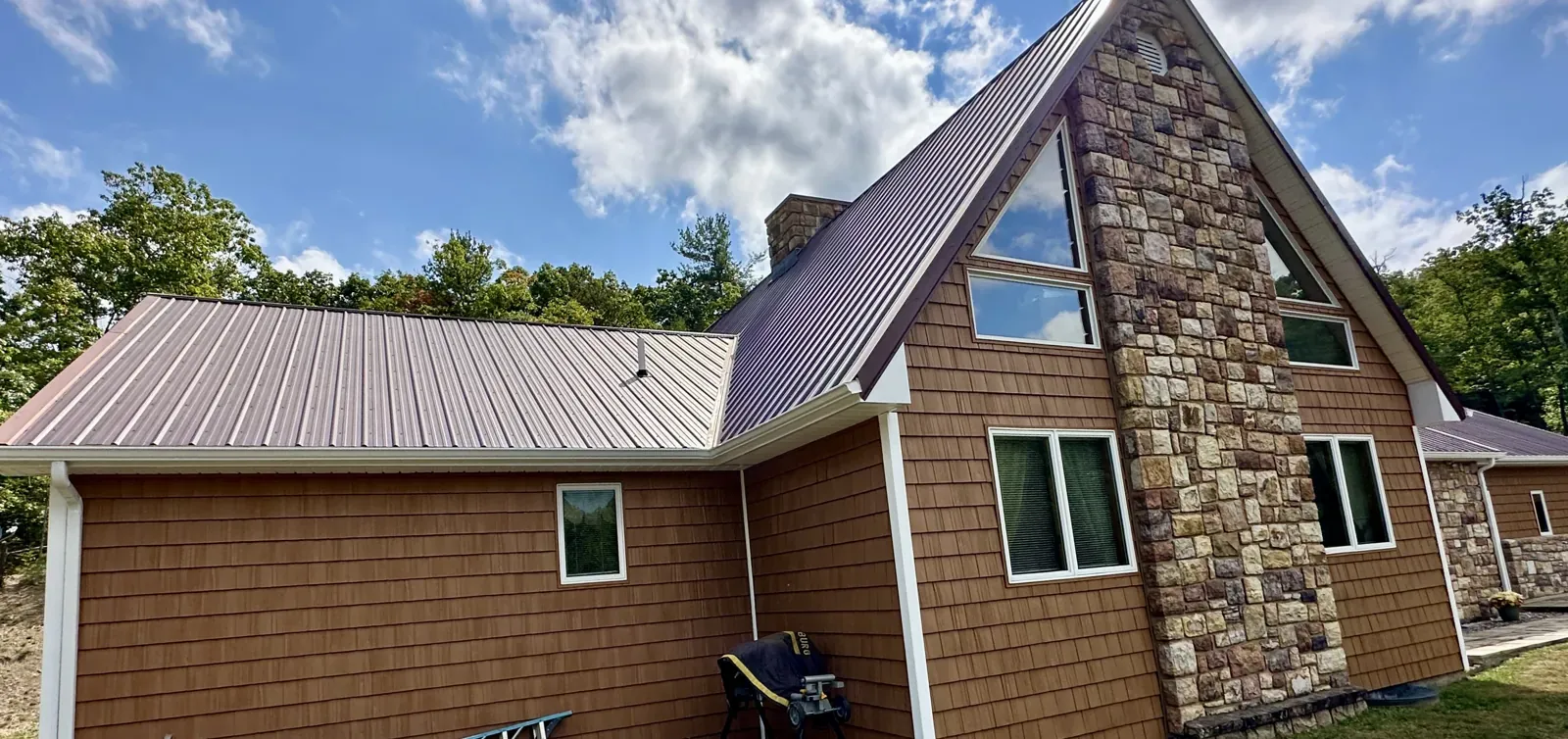
Board and batten is a look as much as a material. It uses wide vertical boards with narrow strips, called battens, covering the seams between them. The result is a tall, clean pattern you’ll recognize from old barns and farmhouses.
It fits right in on a rural Bedford County lot. Some homeowners run it across the whole house. Others use it just on a gable or a front entry to break up horizontal siding.
Vertical siding handles water differently than horizontal lap siding. Rain runs straight down the boards, so the top and bottom edges need careful flashing, and the battens need even spacing to cover each joint. We take our time on the layout. A batten that wanders off line stands out from the road.
Board and batten siding is a style choice, and it comes in more than one material, including vinyl and fiber cement. It’s different from the layered shingle look of HardieShingle and from LP SmartSide, which is an engineered wood product. The tradeoff here is mostly about taste. It’s a bold look, and it doesn’t suit every house. Learn more at board and batten siding.
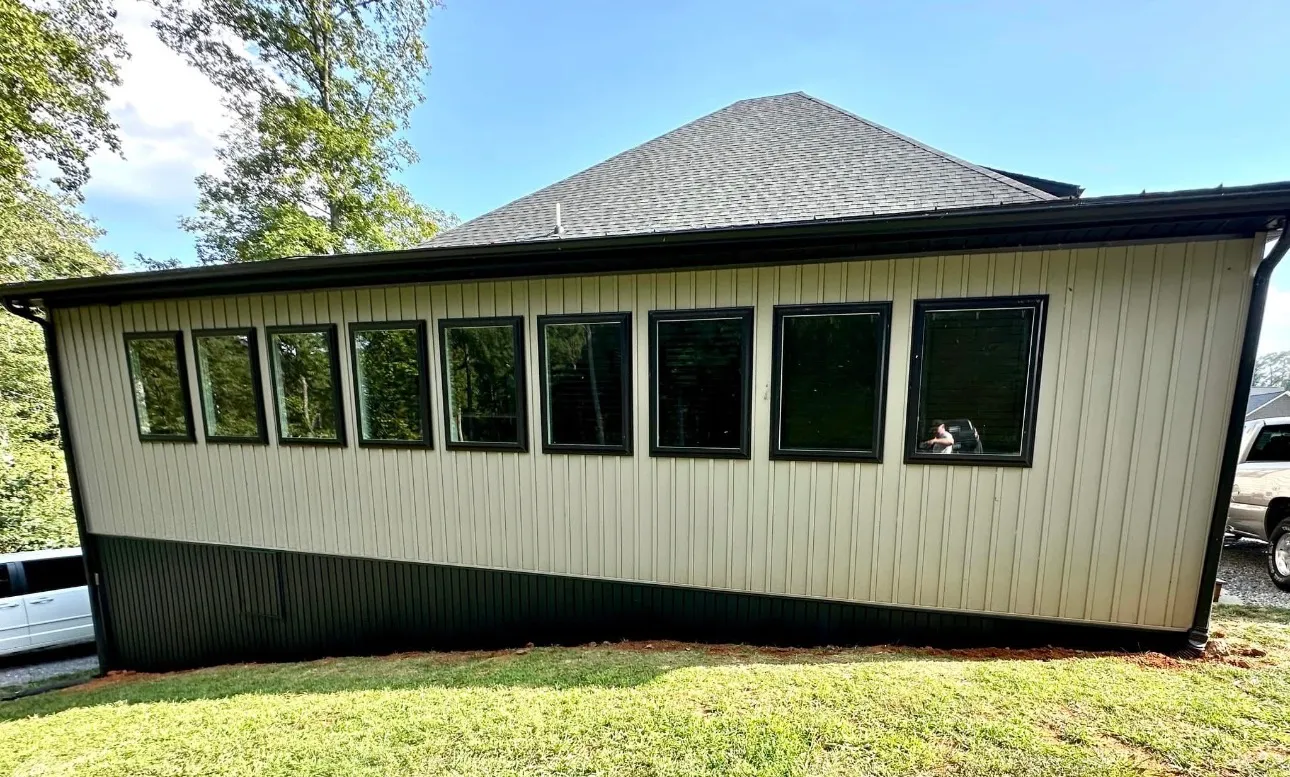
Trim is the frame around your siding: the corner boards, the window and door surrounds, and the bands where one material meets another. It covers the cut ends of the siding and helps send water away from the openings in your walls.
New siding next to old, soft, or peeling trim never looks finished, and those edges are where water tends to get in. We install trim to match the siding you pick, so the whole wall reads as one job.
Here’s the tradeoff. Trim adds to the cost of a siding project, but skipping it is often where leaks and rot start. See trim installation for more.
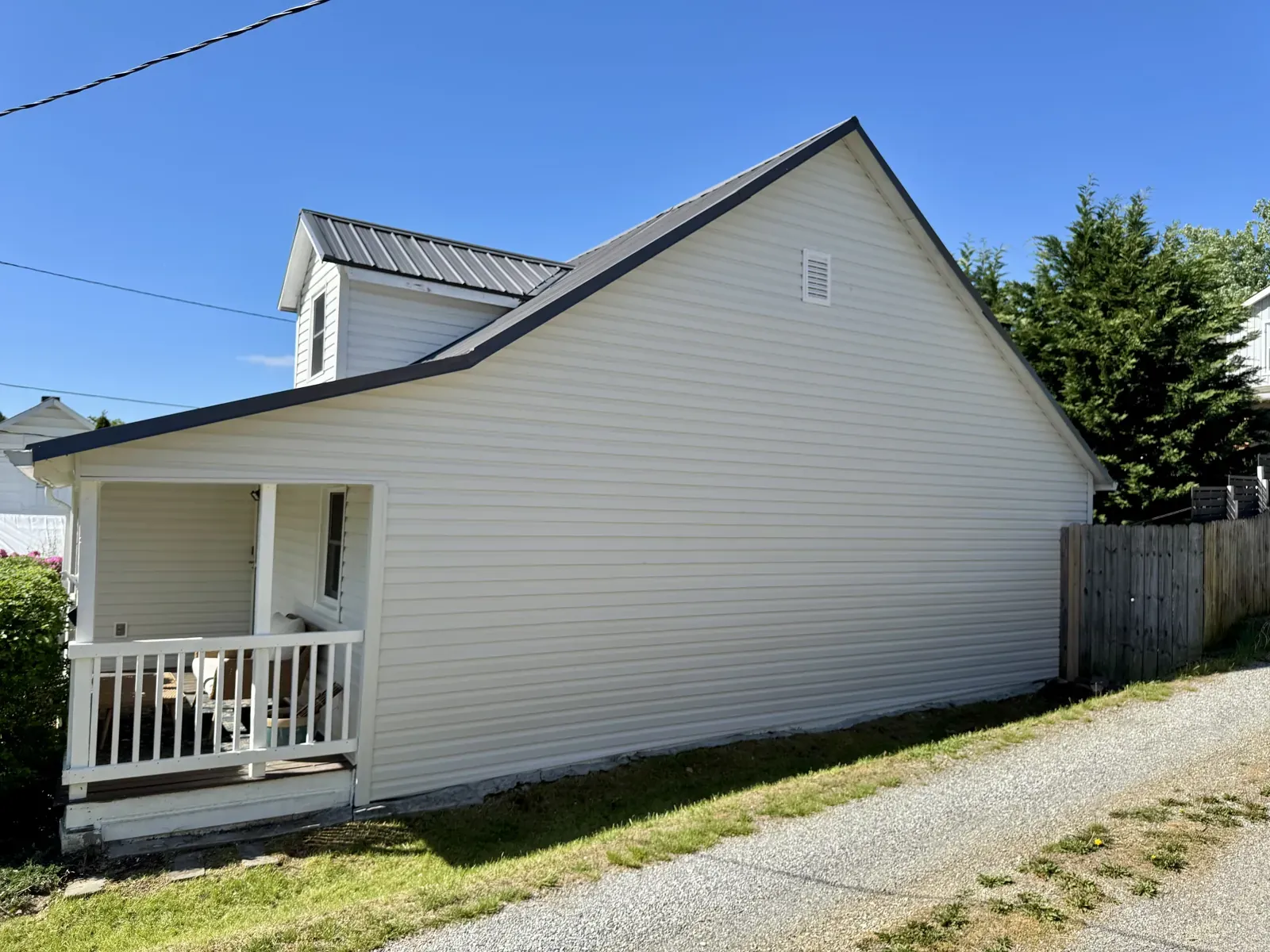
Wooded lots are part of what makes living around Thaxton nice. They’re also hard on the roofline. Leaves pile up in gutters every fall, water spills over, and the board behind the gutter starts to rot.
That board is the fascia, the flat trim along the edge of your roof. The soffit is the underside of the roof overhang, often vented so air can move through your attic. Together they shed water away from the walls and keep air flowing.
Soffit and fascia repair replaces sagging, rotted, or pecked-through pieces and closes gaps where critters or water get in. It’s easy to overlook during a siding project. New siding won’t perform the way it should if the trim above it is soft and leaking, so we check both before any new siding goes up.
On this page, we’re looking at soffit and fascia as part of your siding system. If the trouble is the gutters themselves or the roof deck, that’s gutter or roofing work. Soffit and fascia repair is also more focused than Trim installation, which covers broader exterior trim like window and door surrounds and corner boards. Find out more on soffit and fascia repair.
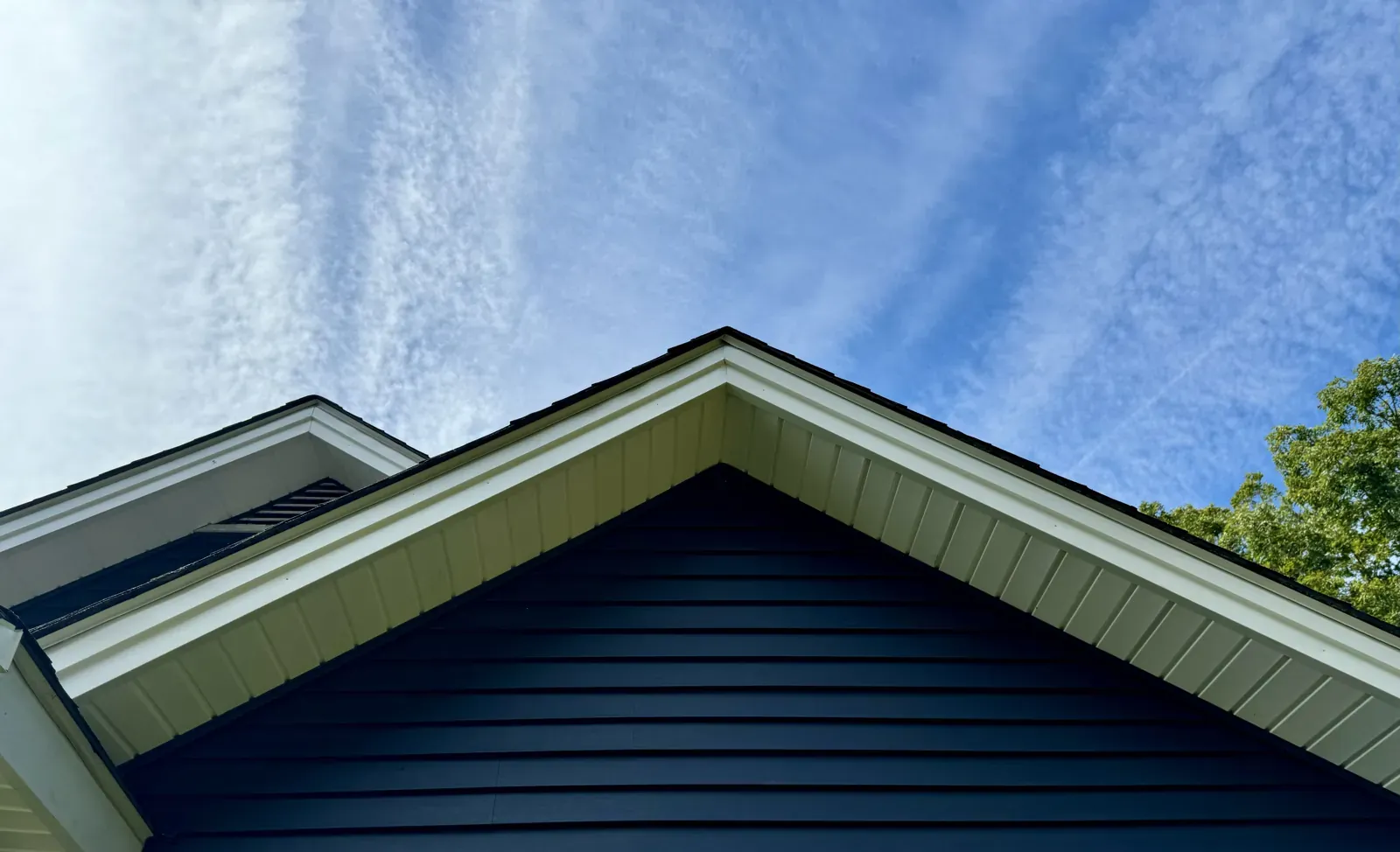
New siding is a color you’ll look at for decades, so it’s worth getting right. A small paint chip rarely looks the same across a whole house in full sun.
We help you compare colors and styles on your own home with a 3D visual on site. We also look at your roof, any brick or stone, and the trim, so everything works together. You see the finished look before anything goes up.
It’s a small step that saves a big regret. Learn more about siding color consultation.
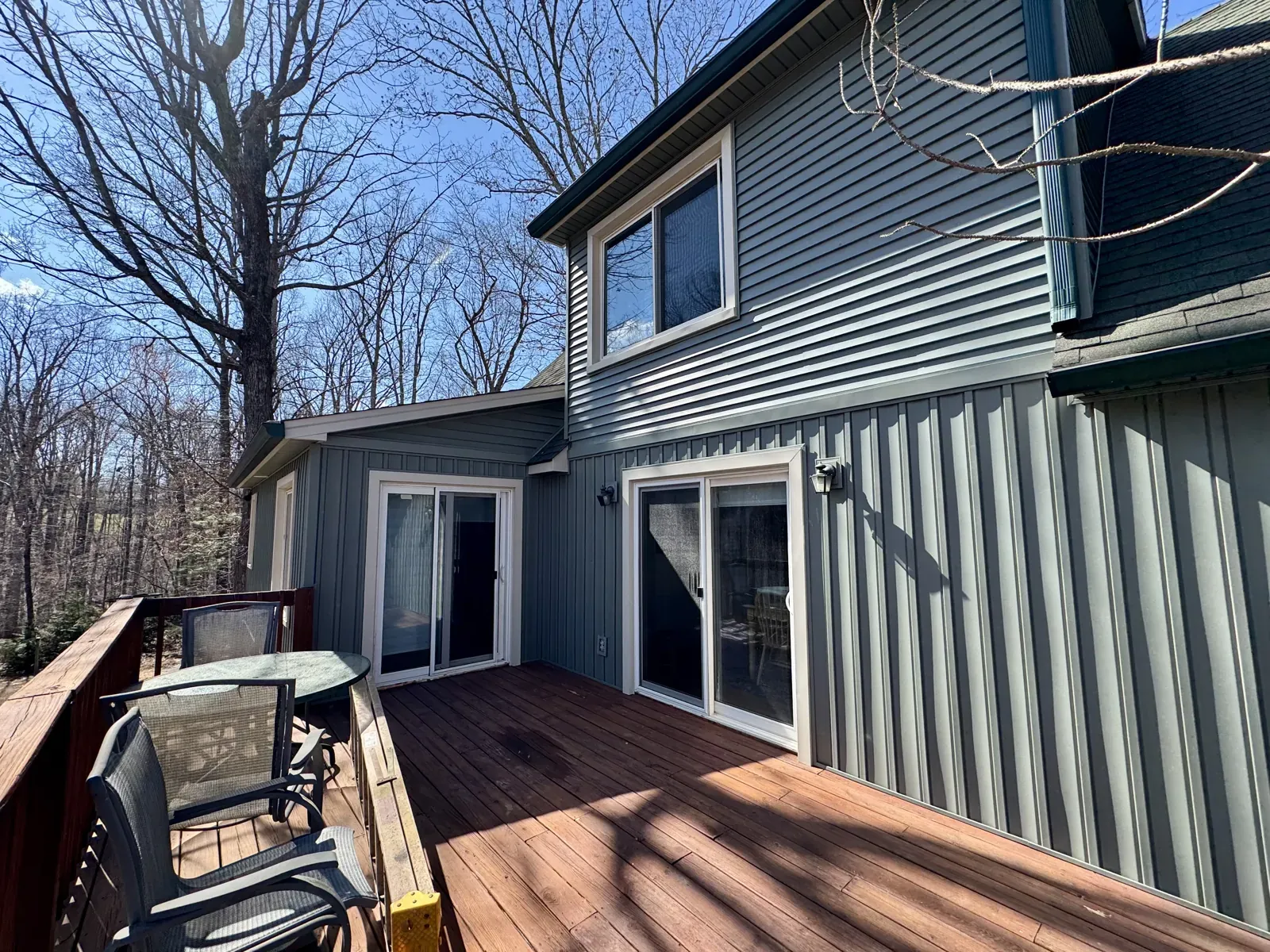
Hidden damage. That’s the reason siding inspections exist.
Some siding problems are easy to spot. Others aren’t visible from the yard. Water can sneak behind a loose panel during a storm and soak the wall for months before you notice a stain inside or a soft spot outside.
During a siding inspection, we walk your house and look closely at:
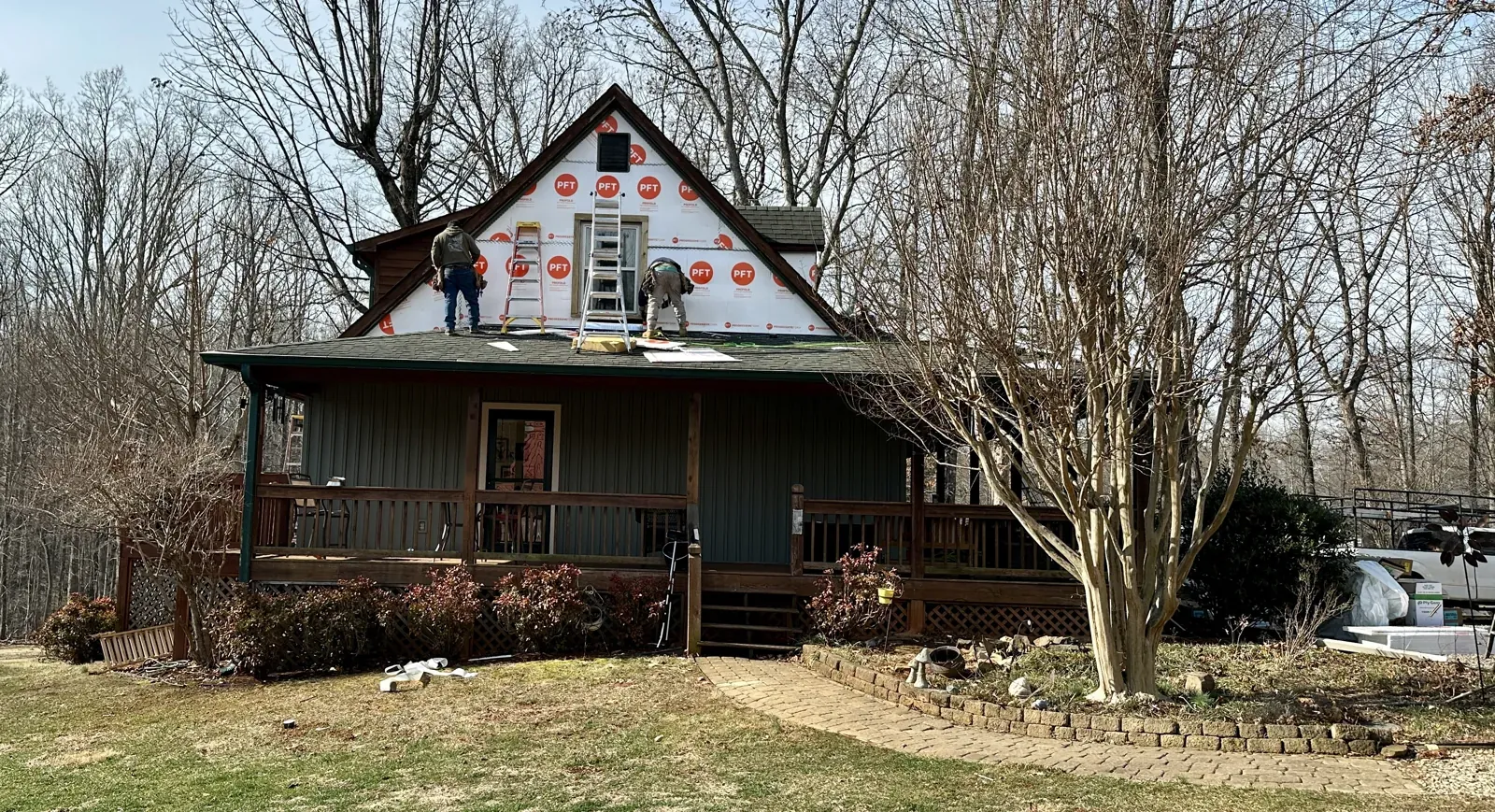
Siding inspections are the diagnostic step. They often come before you decide between siding repair and a full siding installation. Our inspections are no-pressure. We’ll show you what we found and give you honest next steps, even if the answer is that nothing needs doing yet. Learn more about siding inspections.
Want a second set of eyes on your siding? Call Premier Exterior Improvements LLC at (540) 597-2328 to request a free, no-pressure siding inspection in Thaxton or a free estimate on your project. Financing available through GreenSky.
Watch for warning signs like soft boards, large faded areas, or siding that’s failing in several spots at once. That usually means full replacement makes more sense than a patch job. If damage is limited to one wall or a few boards, a repair can often fix it. We’ll walk your Thaxton home with you and give you a straight recommendation either way.
Fiber cement, including James Hardie, handles humidity and wind-driven rain from the lake better than most materials. It resists rot and won’t give carpenter bees or woodpeckers anything to chew into. Vinyl works well too and needs less upkeep, but it can crack in hard freezes. The right pick depends on your budget and how much maintenance you want long-term.
Yes, we’re based in Thaxton and work throughout Bedford County, including homes near Smith Mountain Lake. Many of these houses still have original wood or aluminum siding that’s reached the end of its life. The free estimate works the same anywhere in the county.
During an inspection, we walk the full exterior of your home and check for rot, moisture, and soft spots under the existing siding. We look closely at areas prone to trouble, like the south wall where sun damage shows up fast. You’ll get a clear report on what’s failing, what’s fine, and whether repair or replacement fits your situation better.
It depends on your house and budget. Vinyl costs less to install and needs almost no upkeep, but it can crack under winter storm damage or fade in strong sun. Fiber cement is heavier and takes longer to install, but it stands up better to our thunderstorms and pests. We’ll help you weigh the tradeoffs for your specific home.
Freeze-thaw cycles and winter storms put real stress on siding, especially vinyl, which gets brittle in hard freezes. A falling limb or stray impact can crack a panel more easily in cold weather. Fiber cement resists this kind of cracking but weighs more and costs more labor to install. We’ll explain these tradeoffs before you commit to a material.
Get a free estimate. Call (540) 597-2328 today.
Get a Free Estimate