
Do You Need a Repair or a Full Replacement?
Family-owned siding and exterior experts serving Southwest Virginia
Get a Free Estimate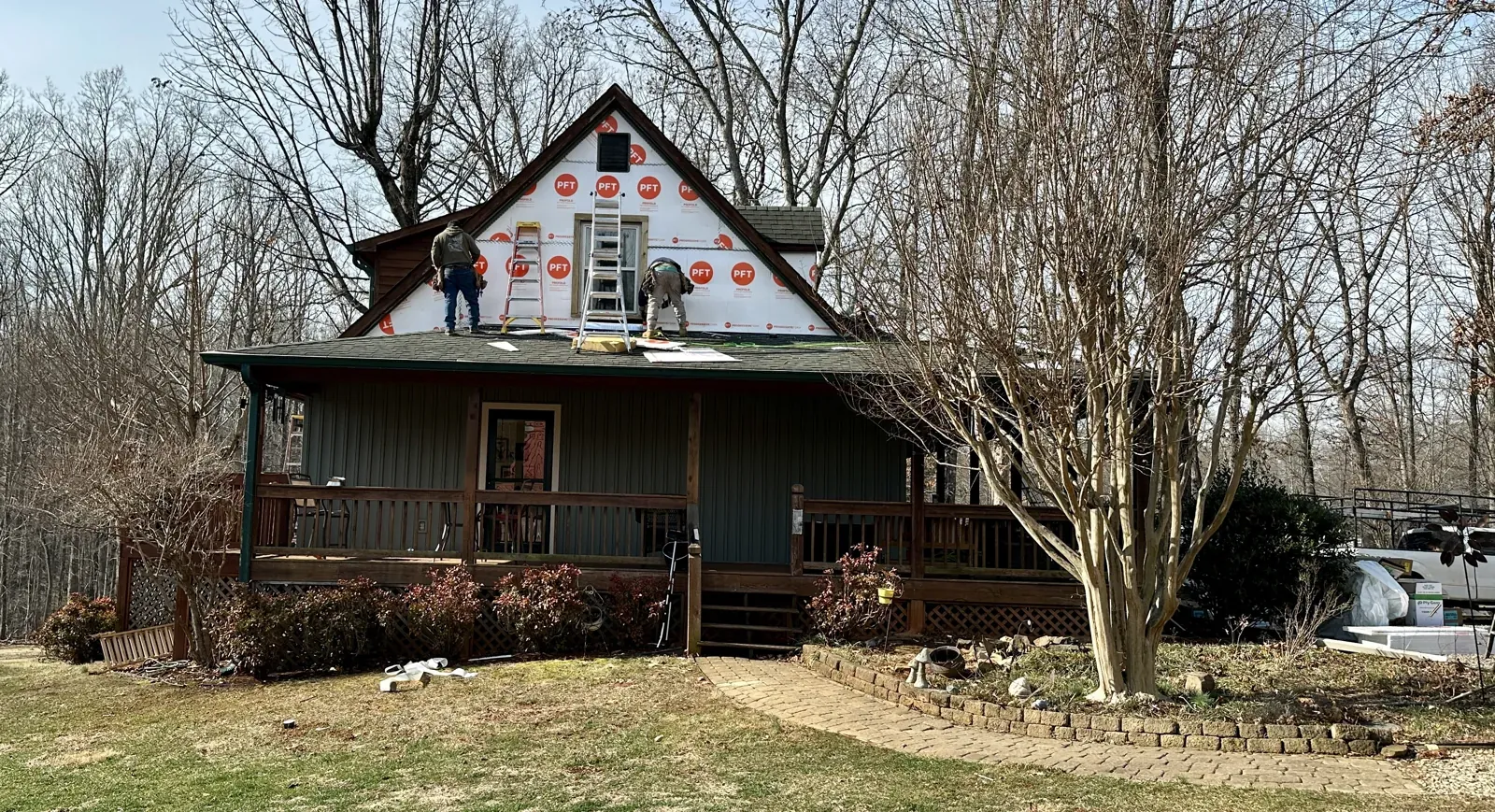
What’s covered on this page
Cracks, warped or loose panels, soft spots, and water stains inside are the signs that most often mean something is going on behind your siding. Fading or a light green film on a shady wall is usually cosmetic. A siding inspection tells you which is which, so you only fix what’s broken. It’s part of our siding installation work in Thaxton.
Most siding problems give you a warning before they get expensive. The trick is knowing which changes are just your house aging and which ones mean water is getting in. Here’s what to look for when you walk around your home.
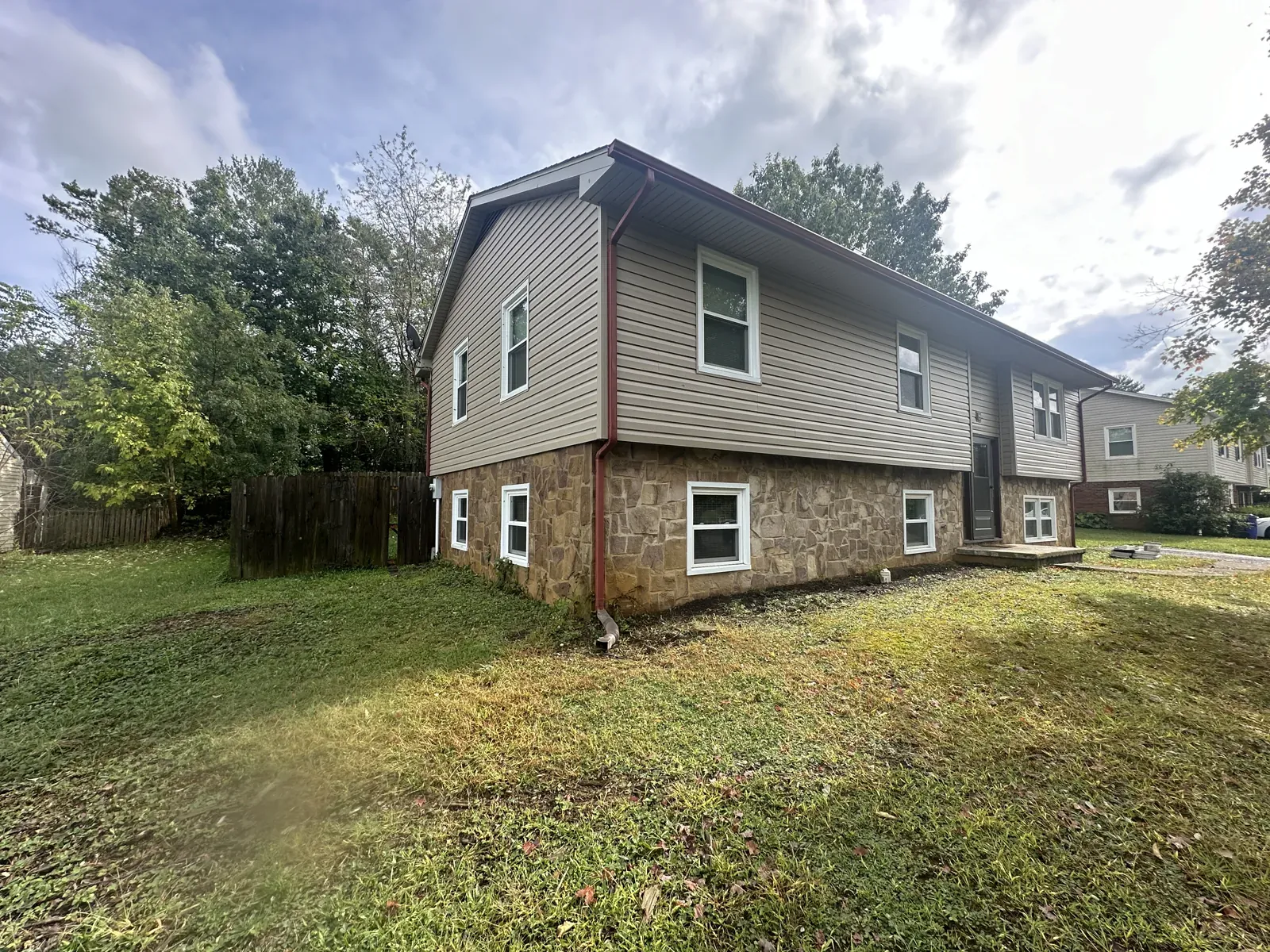
Our weather makes some of these worse. Humid summers keep damp spots from drying out. Winters that freeze and thaw let trapped water expand in small cracks, and those cracks get bigger each cycle. A small problem you spot in fall can look very different by spring.
Not every change needs a professional. If a north-facing or shady wall has a light green or black film, that’s often mildew sitting on the surface. It’s a cleaning job, not a siding problem. Even fading on the side that gets afternoon sun is mostly about looks. If the panels are still flat, tight, and solid, you can keep an eye on it and decide later whether you want new color.
The ones worth a closer look are the signs that show up together or keep coming back. Think of a warped panel right above a stain on your ceiling, or mildew that returns in the same spot every summer. Those usually mean the issue isn’t on the surface. A good inspection traces the sign back to its cause, so you’re not paying to replace a whole wall when one flashing detail or a few boards are the real fix.
A good siding inspection looks at the whole outside wall system, not just the one panel that caught your eye. Siding is only one layer. It works together with the trim, the caulk, and the flashing to keep water out. Flashing is the thin metal or membrane that sends water away from seams and openings. When one of those parts fails, the siding often gets blamed for it.
Here’s what a thorough inspector should check as they walk around your house:
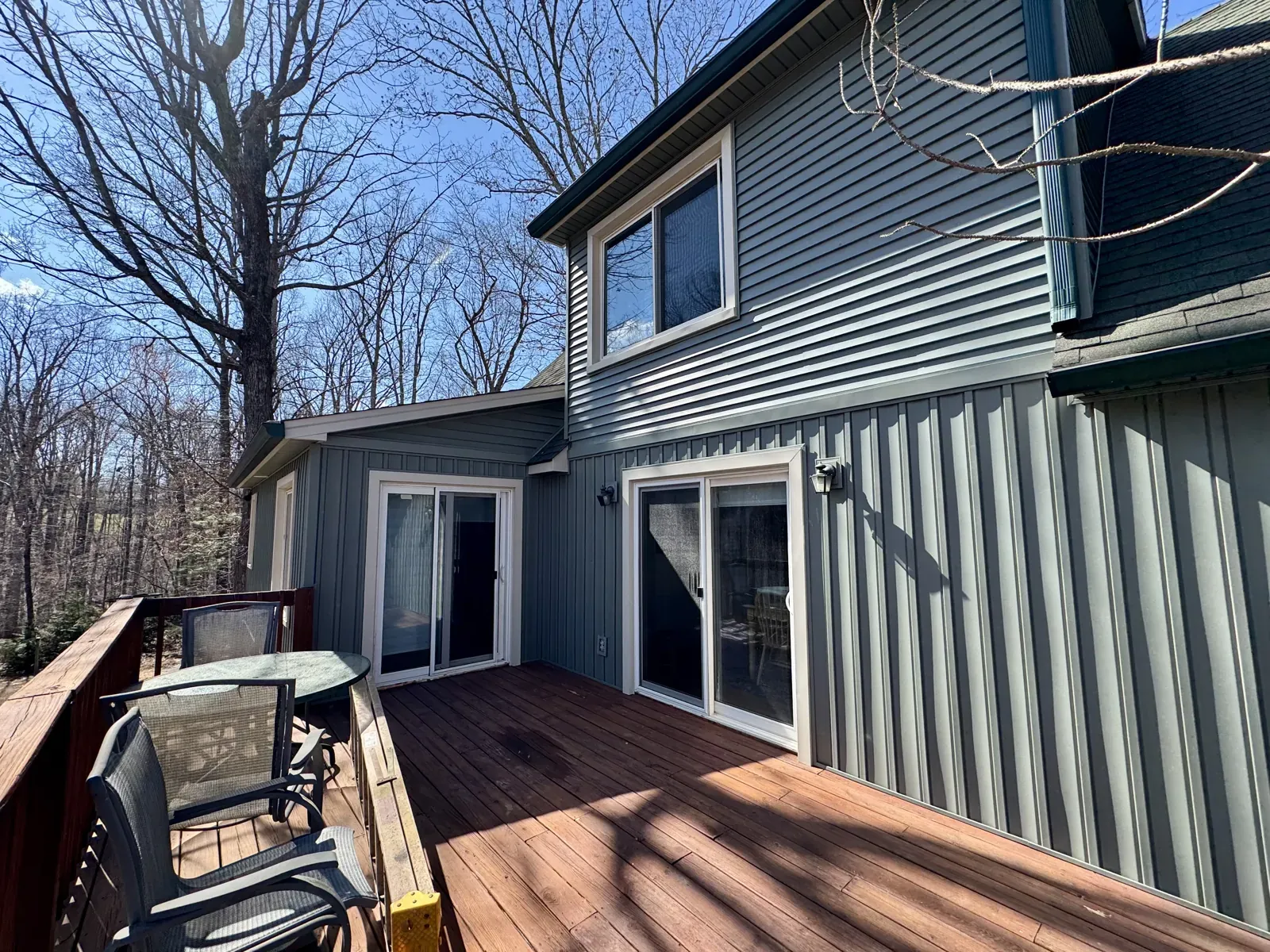
The inspector also needs to figure out whether moisture has gotten behind the siding. That can mean pressing on soft-looking areas, checking the wall with a moisture meter, or carefully lifting a piece to see the sheathing underneath. Vinyl can usually be unlocked and snapped back into place. Fiber cement, a siding made from cement, sand, and wood fibers, takes more care to open up, and so do wood and engineered wood.
Each material has its own weak spots. On engineered wood like LP SmartSide, the cut ends and bottom edges matter most, since that’s where water tends to soak in if the paint or sealing wasn’t done right. On fiber cement, an inspector checks for cracked boards and gaps at the butt joints, the seams where two boards meet. Around Thaxton and the rest of Bedford County, freeze-thaw winters and wind-driven summer rain test all of those weak spots every year.
You can help before the visit. Jot down where you’ve seen stains, musty smells, or loose pieces, and which way those walls face. If the problem showed up after a certain storm, note the date. Those details help connect what shows up inside the house to what’s happening on the outside.
At the end, you should get a plain answer. You should learn what’s wrong, what caused it, and what your options are. We’ll tell you when a repair makes more sense than a replacement. If storm damage is part of the picture, we can document the damage, write up an estimate and scope of work, and recommend whether filing a claim makes sense. If you file, we can meet your adjuster on-site and answer their questions about our estimate.
Thinking about Siding Inspections? Let’s talk.
Get a Free Estimate. Premier Exterior Improvements LLC is ready to help.
Once you know what’s wrong, the next question is what to do about it. Most of the time the answer comes down to a few plain facts about your house. It isn’t about which job is bigger.
Here’s what tips the decision one way or the other:
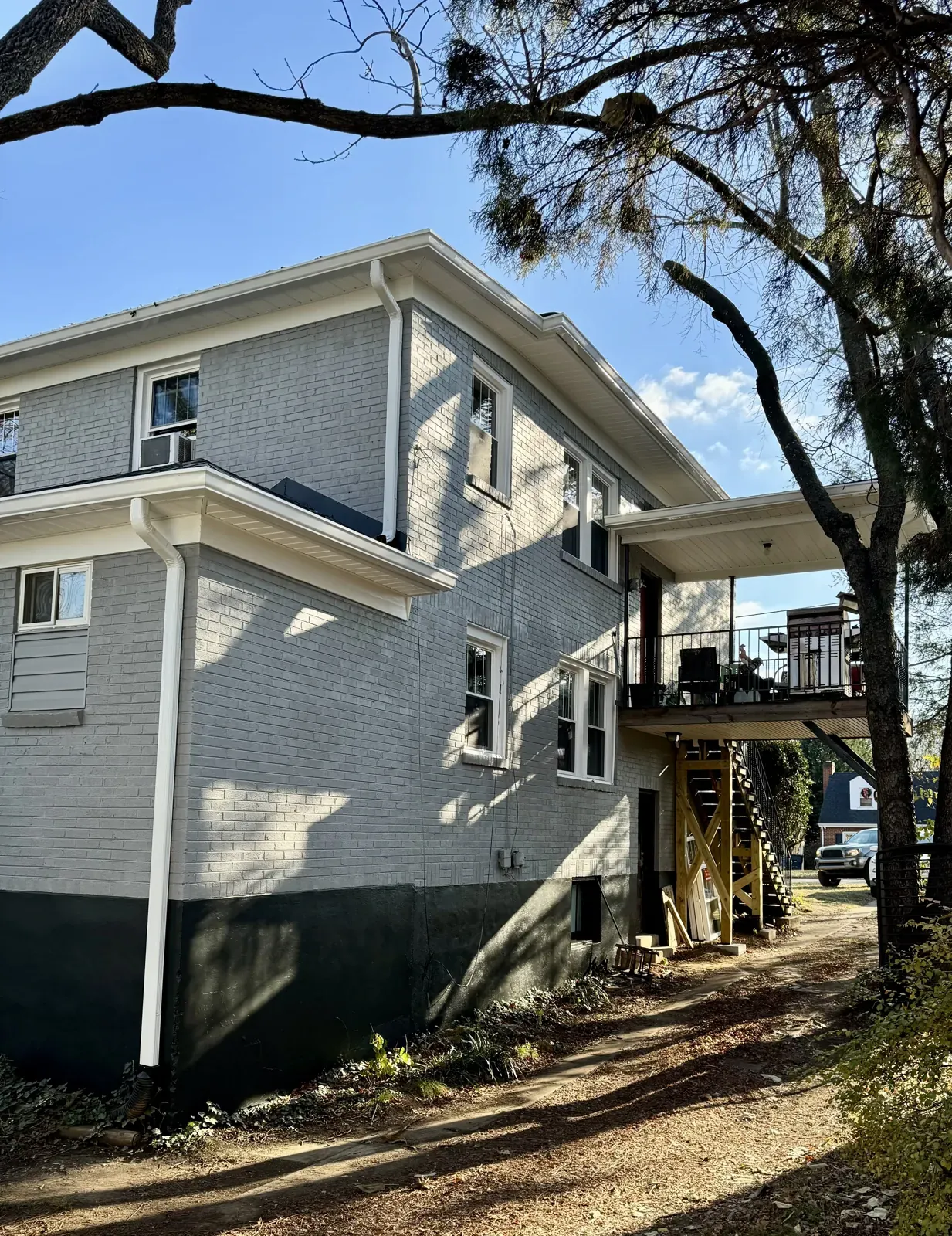
A repair is the right call more often than people expect. If the damage is limited, the wall behind it is sound, and the new pieces blend in well enough, there’s no good reason to replace a whole house. Sometimes the real fix is fresh caulk, a new piece of flashing, or a few boards near a window. You should hear that plainly.
Matching is where a lot of repairs get tricky. When a color is faded or hard to find, one option is to take good pieces from a wall people don’t see much, like behind a deck, and use them to patch the front. The new pieces then go on the hidden wall. It isn’t perfect for every house, but it can save you from replacing siding that’s still doing its job.
Some houses fall in the middle. You might replace one wall, like the side that takes the worst of the wind-driven rain, and leave the rest alone. That can work well if the siding on that wall blends with what’s already there, or if it sits where small color differences won’t stand out.
Full replacement makes sense when the damage is spread out, the wall behind it has moisture trouble in several spots, or you’re tired of chasing repairs. That’s also when material choice matters most. Vinyl costs less up front, but it can crack if something hits it on a cold day. Fiber cement and engineered wood like LP SmartSide stand up better to impacts, but they cost more to install. We install James Hardie and LP SmartSide products, along with vinyl, so we can walk you through the tradeoffs without steering you toward one.
Cost follows the same factors. The size of the area, how much wall repair is needed underneath, the material you pick, and the trim or soffit work that goes with it all move the price up or down.
Not every house needs a professional walking around it. If you’re handy and paying attention, you can skip a siding inspection in plenty of cases. We’d rather you save the visit for when it tells you something.
Here’s when it’s fine to handle things yourself or just keep watching:
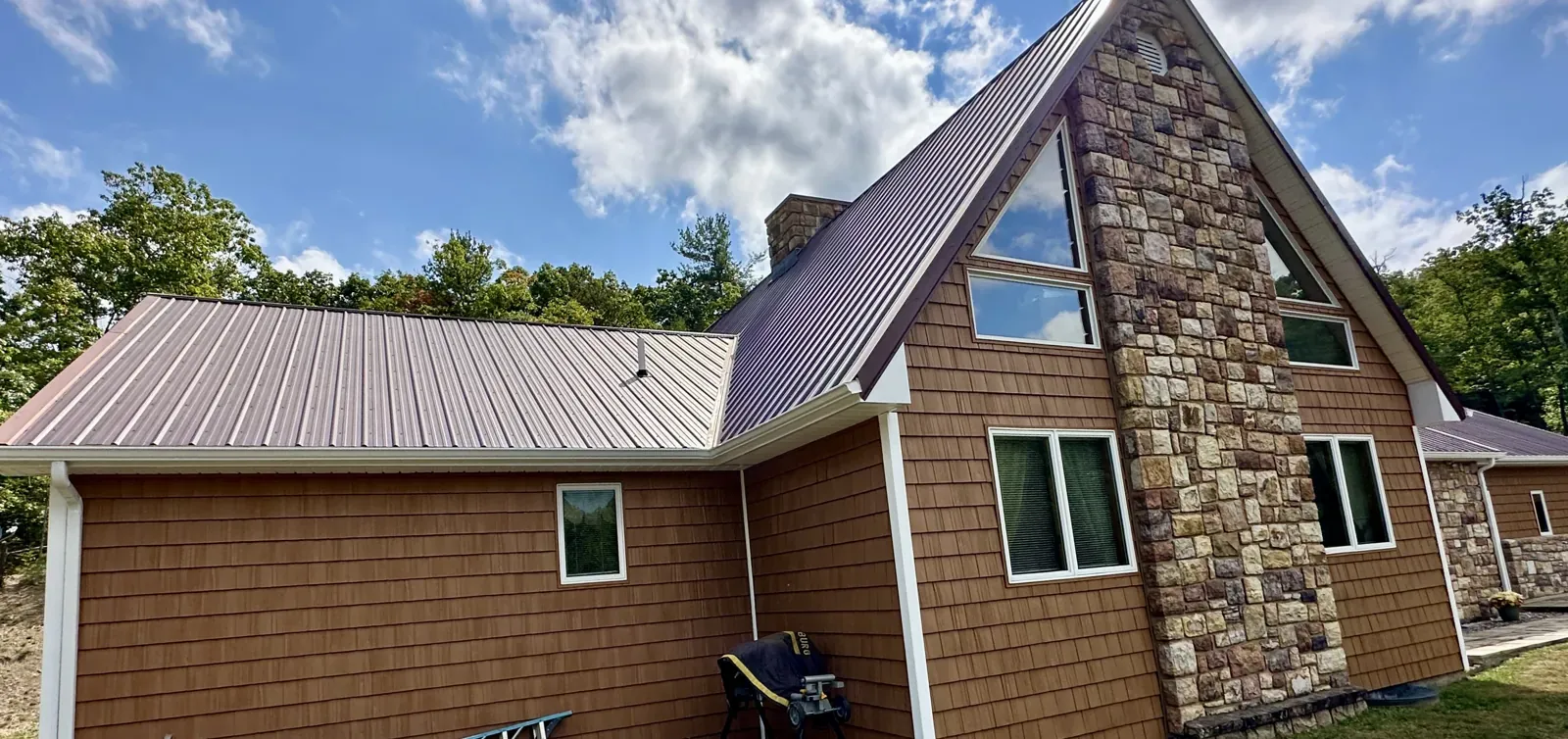
Take that last one seriously. When one wall stays damp, the siding is often the victim, not the cause. If you clear the gutter and pull the mulch back a few inches, give it a season. If the wall dries out and the panels stay tight, you’ve solved it.
You can also skip a separate inspection if you’ve already decided to replace your siding. Maybe it’s the original vinyl and you’ve wanted a new color and a tougher material for years. Any contractor pricing a full replacement should look closely at your walls to write the estimate. A second visit just to confirm what you already know doesn’t add much.
Waiting is also reasonable in some cases. Say a summer thunderstorm scuffed a few panels but nothing cracked, lifted, or came loose. Keep an eye on those spots through the first hard freeze. If they look the same in spring, you’re probably fine.
Where we’d draw the line is anything that hints at water getting behind the wall. That includes a stain on an inside wall or ceiling, a spot that feels spongy when you press it, or a repair you’ve already done that failed. The same goes for any damage you can’t safely see from the ground. Those signs don’t fix themselves. Freeze-thaw winters here tend to make them worse, not better.
Short of that, trust your own eyes. Most houses in Bedford County go years between real siding problems. A homeowner who does a quick lap twice a year catches most of what matters.
Strong thunderstorms are part of life in Bedford County. Hail, high wind, and falling limbs can all damage siding in a few minutes. Some damage is plain to see. Some of it hides in spots you won’t notice from the driveway.
What storm damage looks like depends on your siding. Vinyl can crack or get punched through by hail, and a cold day makes that more likely. Wind can also unlock vinyl seams and lift panels without tearing them off. Fiber cement usually shows chips, cracked boards, or broken corners. On engineered wood like LP SmartSide, look for dents and chipped paint. Once the paint is broken, water can soak into the board over time.
Start with the side of the house that faced the storm. Then look at the softer things nearby. Dents in gutters, downspouts, or a metal mailbox, or tears in window screens, are good clues that hail hit your siding too.
If a storm hits, your own notes matter. They help anyone who looks at the damage later, whether that’s a contractor or your insurance adjuster. Here’s what’s worth doing from the ground:
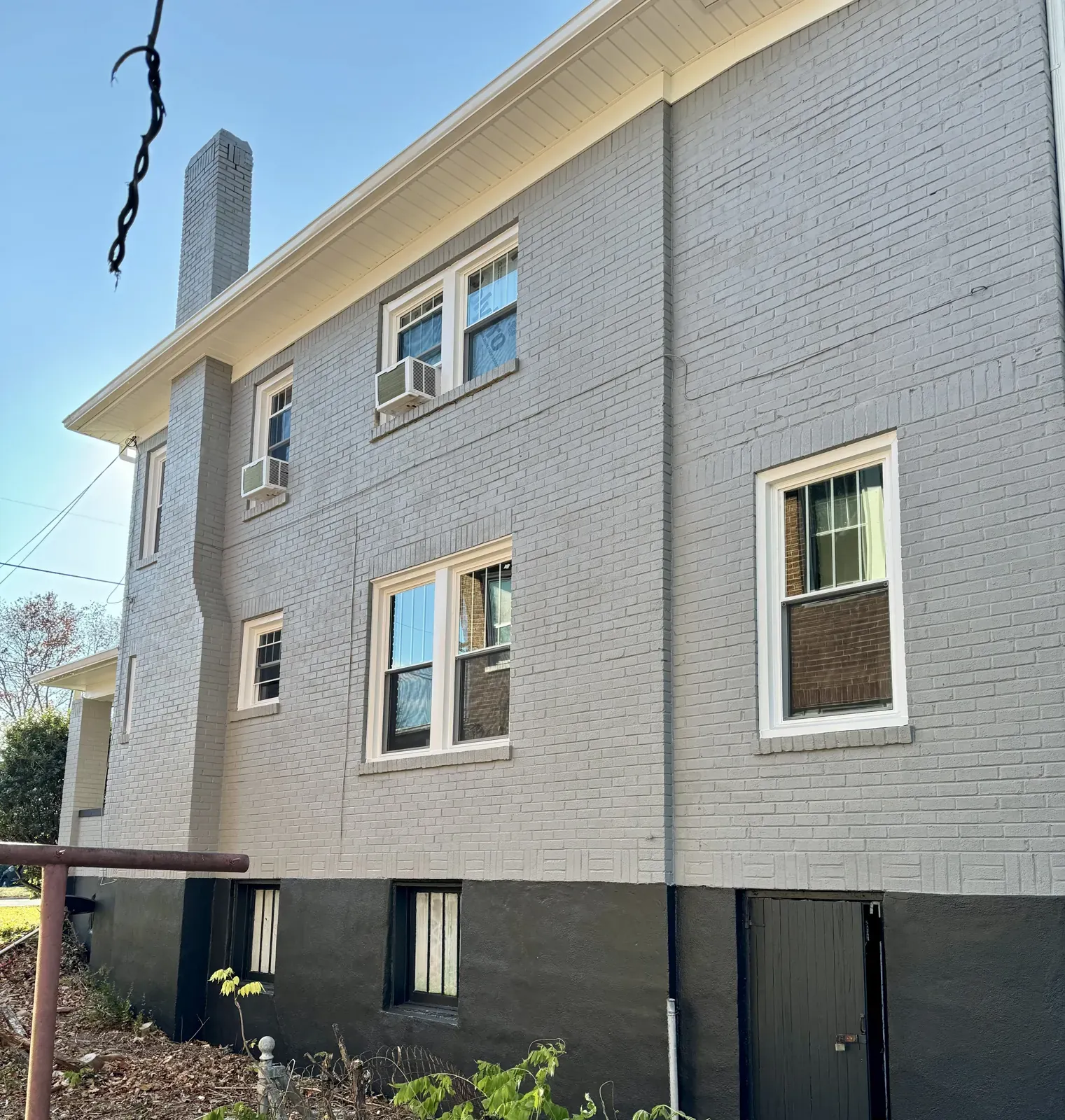
Not every storm is worth an insurance claim. It depends on how much damage there is compared to your deductible, and on what your policy covers. Some policies treat small dents that don’t let water in differently from cracks and holes. Read your policy or call your agent so you know your deadlines and what’s included.
A solid inspection gives you the facts to make that call. You’ll know where the damage is, how big the area is, what material it is, and whether a close match is still available, since matching can change what a fair repair looks like. As we covered above, we can document the damage, write up the estimate and scope of work, and meet your adjuster on-site if you decide to file. The claim itself stays between you and your insurance company.
After a big storm, you may get crews knocking on your door. Here’s what to look for in any contractor, whoever you call. They should have a local address you can drive to and a Virginia contractor license you can look up. They should give you a written scope of work and never rush you to sign that day. We’re a licensed Virginia Class B Contractor, License #2705199374, and our shop is at 202 Shady Grove Dr in Thaxton. We’ll still be here long after the storm season ends.
Sometimes the honest answer after a storm is that nothing needs fixing. A few scuffs that didn’t crack or loosen anything may not need a claim or a repair at all. You should hear that just as plainly as bad news.
Yes. We look at your siding as part of a free estimate, with no pressure to buy anything. You’ll hear plainly what we see, including when nothing needs fixing.
Yes. Water problems often start at the trim, caulk, flashing, soffit, fascia or gutters, so we look at all of it. Nathan also holds a Virginia home inspector license, so he knows what to look for past the siding.
Jot down where you’ve seen stains, soft spots, musty smells or loose pieces, and which walls they’re on. If the trouble started after a storm, note the date. Those details help us trace the problem back to its cause.
Get a free estimate. Call (540) 597-2328 today.
Get a Free Estimate