
Repair or Replace?
Family-owned siding and exterior experts serving Southwest Virginia
Get a Free Estimate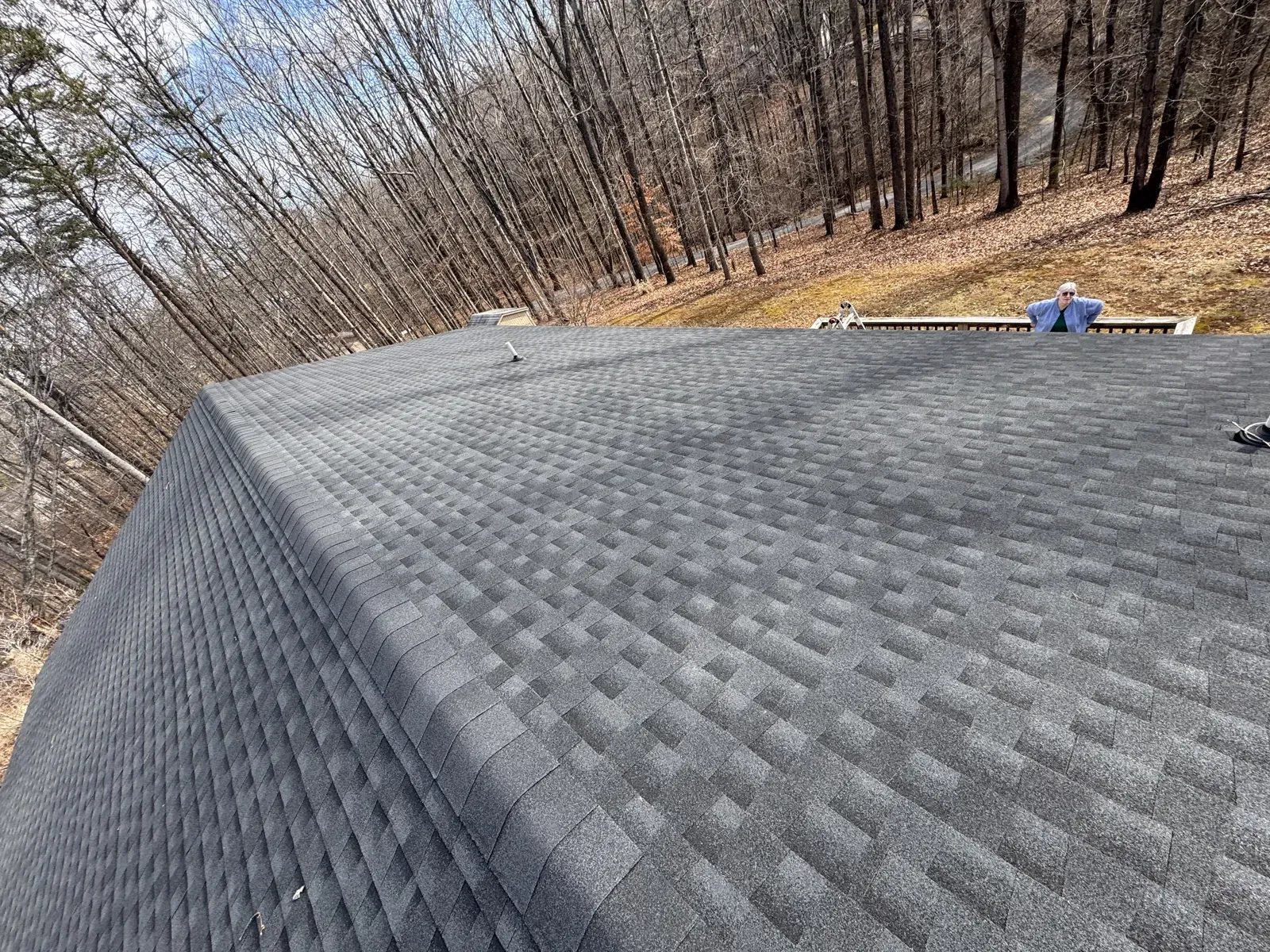
What’s covered on this page
Most storm damage shows up as missing or lifted shingles, granules in the gutters, bent metal, or a new water stain inside. You can check for many of these signs from your yard and your attic. Finding one sign doesn’t mean you need a new roof, but it does mean the roof is worth a closer look. It’s part of the work we do as a roofing contractor in Thaxton.
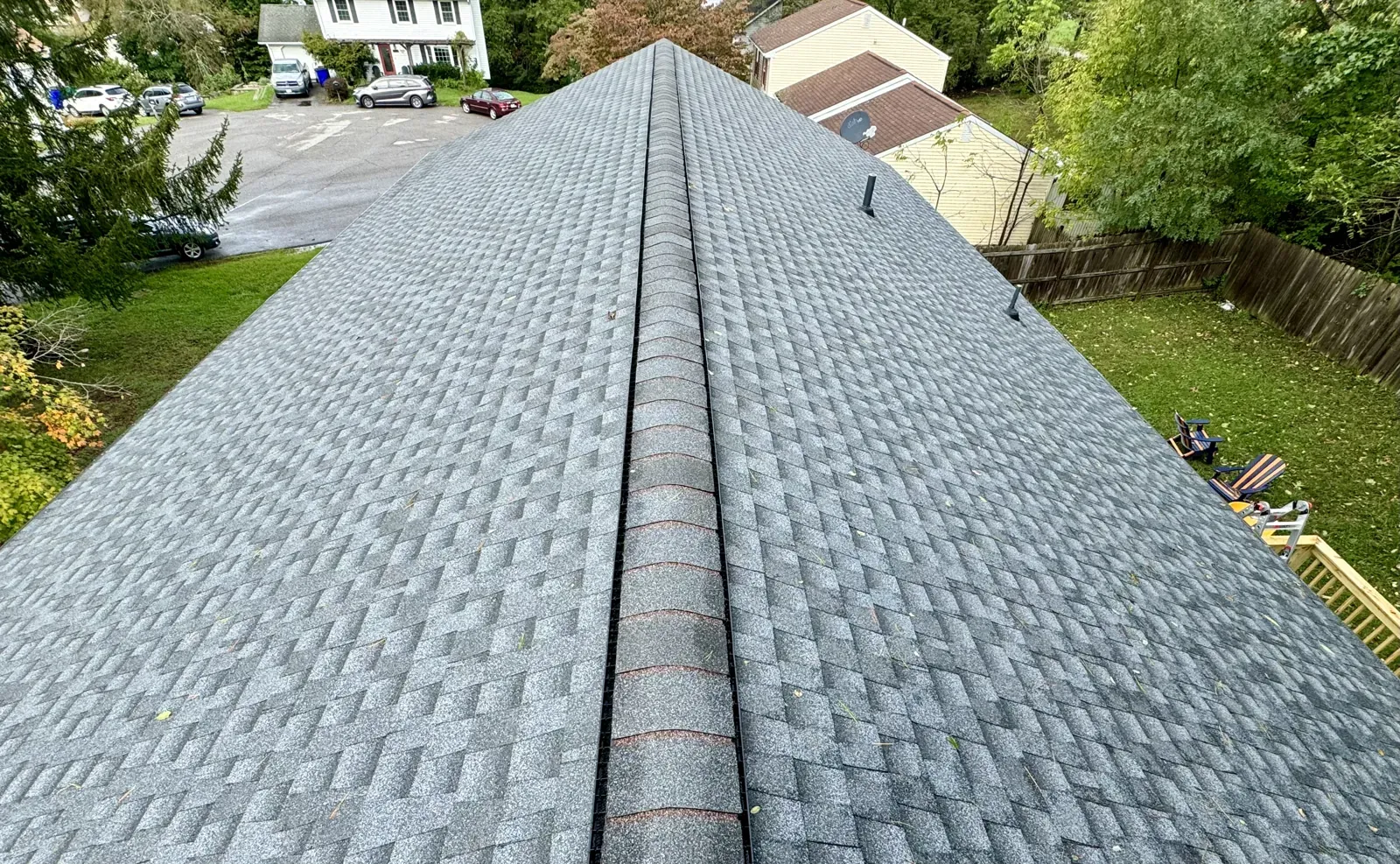
Around Thaxton and the rest of Bedford County, our summer thunderstorms can bring hard rain and strong gusts in a short time. After one of those storms, take a slow walk around your house. You can spot a lot from the ground without climbing a ladder.
Then go inside. Look for new brown stains on ceilings, especially in upstairs rooms and closets. If you can get into your attic safely, check for damp insulation, wet wood, or spots of daylight coming through the roof boards. A musty smell after rain is a clue too.
While you’re walking around, look at the rest of the house. A storm that pulls shingles loose often cracks siding, knocks soffit panels out of place, or bends gutters. Soffit is the underside of your roof overhang. Siding is the heart of what we do, so we always check these areas along with the roof. Damage there can let water behind your walls just as easily as a bad shingle can.
Here’s the honest part. One missing shingle or a short piece of loose flashing is usually a small repair, not a reason for a new roof. What matters is catching it early. Our winters freeze and thaw over and over. Water that gets into a small gap freezes, swells, and makes the gap bigger. A small problem in July can turn into a soft spot in the roof deck by spring.
If you spot any of these signs, take dated photos from the ground and inside the house before anything gets moved or fixed. Those pictures help if you decide to talk with your insurance company later. They also help any contractor understand what changed after the storm.
The short answer is that the size of the damage matters less than the shape of the roof around it. A few torn shingles on a roof that’s otherwise in good shape is a repair. The same damage on a roof that’s worn out everywhere can be a different story. We’ll tell you plainly which one you have, even when the smaller job is the right job.
Here’s what we weigh when we look at a storm-damaged roof:
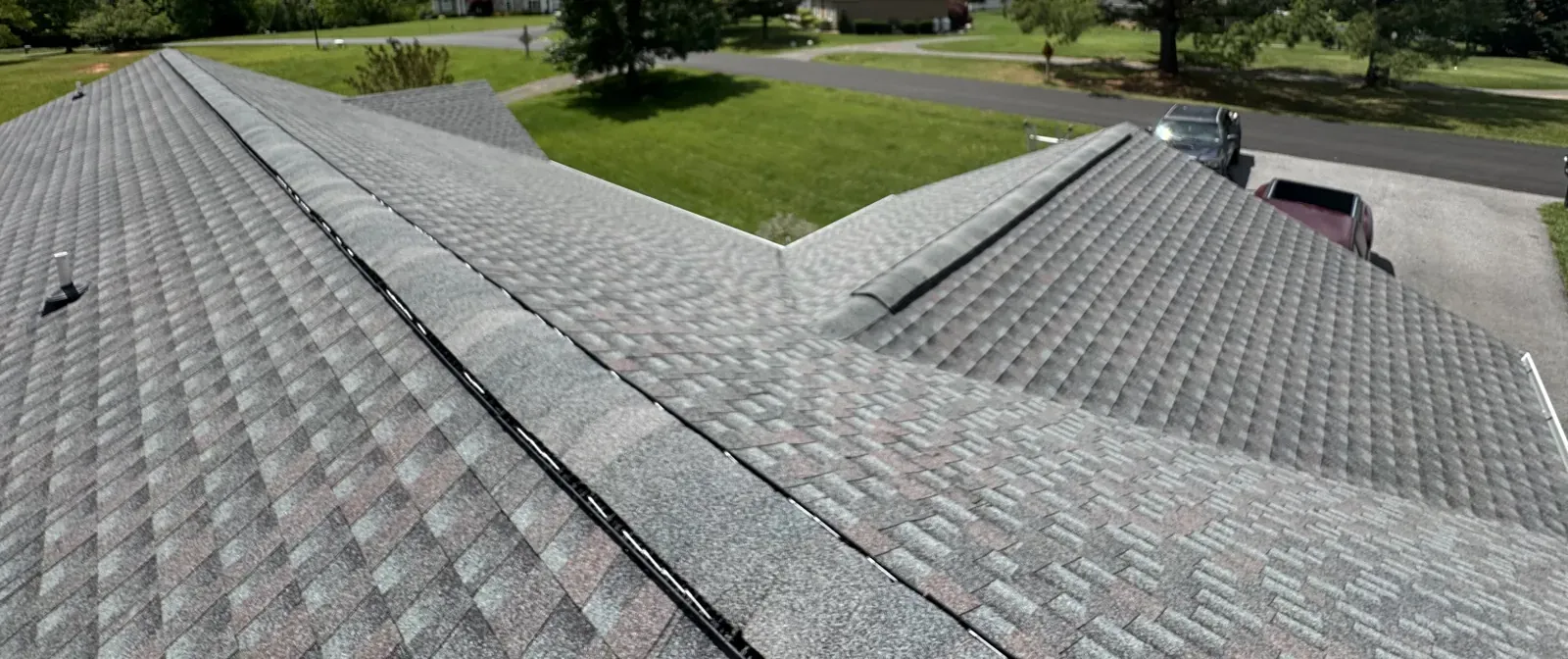
Let’s say a strong gust pulled up a strip of shingles near the ridge, and everything else looks solid. That’s a repair, plain and simple. Now say the shingles are curling on every side, the granules are worn thin, and the storm just pushed it over the edge. You could patch it, but you’d likely be patching again after the next storm. We’ll lay out both choices and the tradeoff of each, then let you decide.
There’s a cost side to both choices too. A repair costs less now, but on a tired roof it may only buy time. A replacement costs more up front, but it resets the whole roof at once. The things that move the price are the roof’s size and steepness, how much deck damage there is, the material, and how many layers need to come off.
If you plan to file an insurance claim, your adjuster decides what’s covered, not us. What we can do is inspect and document the damage, write up an estimate and scope of work, and meet your adjuster on-site to answer questions about that estimate.
We look at the walls during the same visit. If wind cracked a few siding panels or knocked soffit loose, those often get the same repair-first thinking. Fixing the damaged pieces is usually the answer, and since siding is the core of our work, we can take care of both while we’re there.
Have questions? We’re happy to help.
Get a Free Estimate. Premier Exterior Improvements LLC is ready to help.
Not every mark a storm leaves behind needs fixing this week. Some of it never needs fixing at all. If you’re not sure, it’s fine to wait and watch for a bit, as long as you know what you’re watching for.
Here are cases where waiting, or doing nothing, is often the right call:
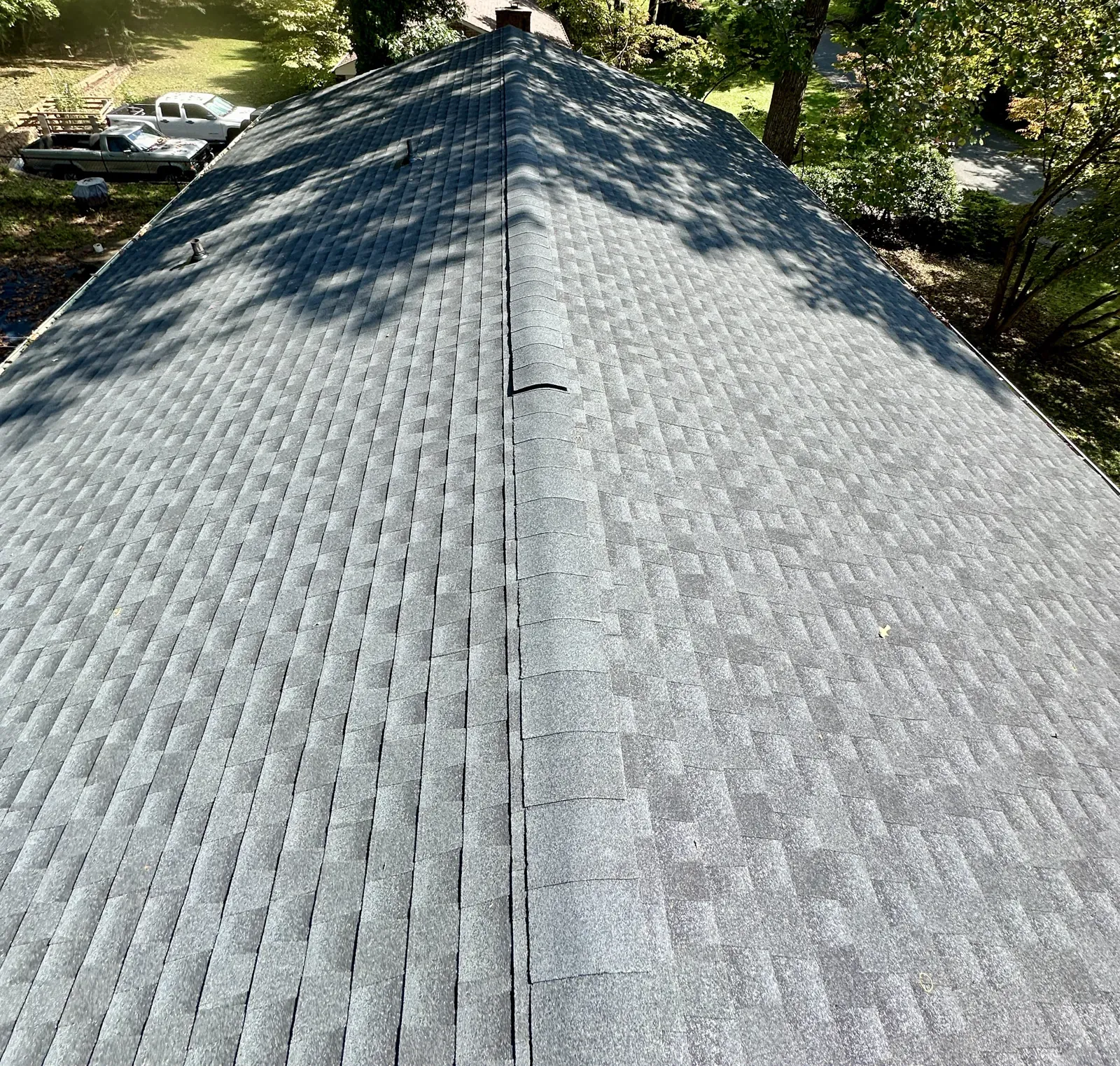
That last one matters. We’d much rather do a small, honest fix that gets you to spring than sell you a large repair on a roof that’s coming off anyway.
There’s also a case for waiting a short time if you plan to file an insurance claim. Your adjuster will want to see the damage as the storm left it. If nothing is leaking, it can make sense to hold off on permanent work until the adjuster has looked. The dated photos we talked about earlier help here too.
Now for the other side. Some damage shouldn’t wait, even if it looks small:
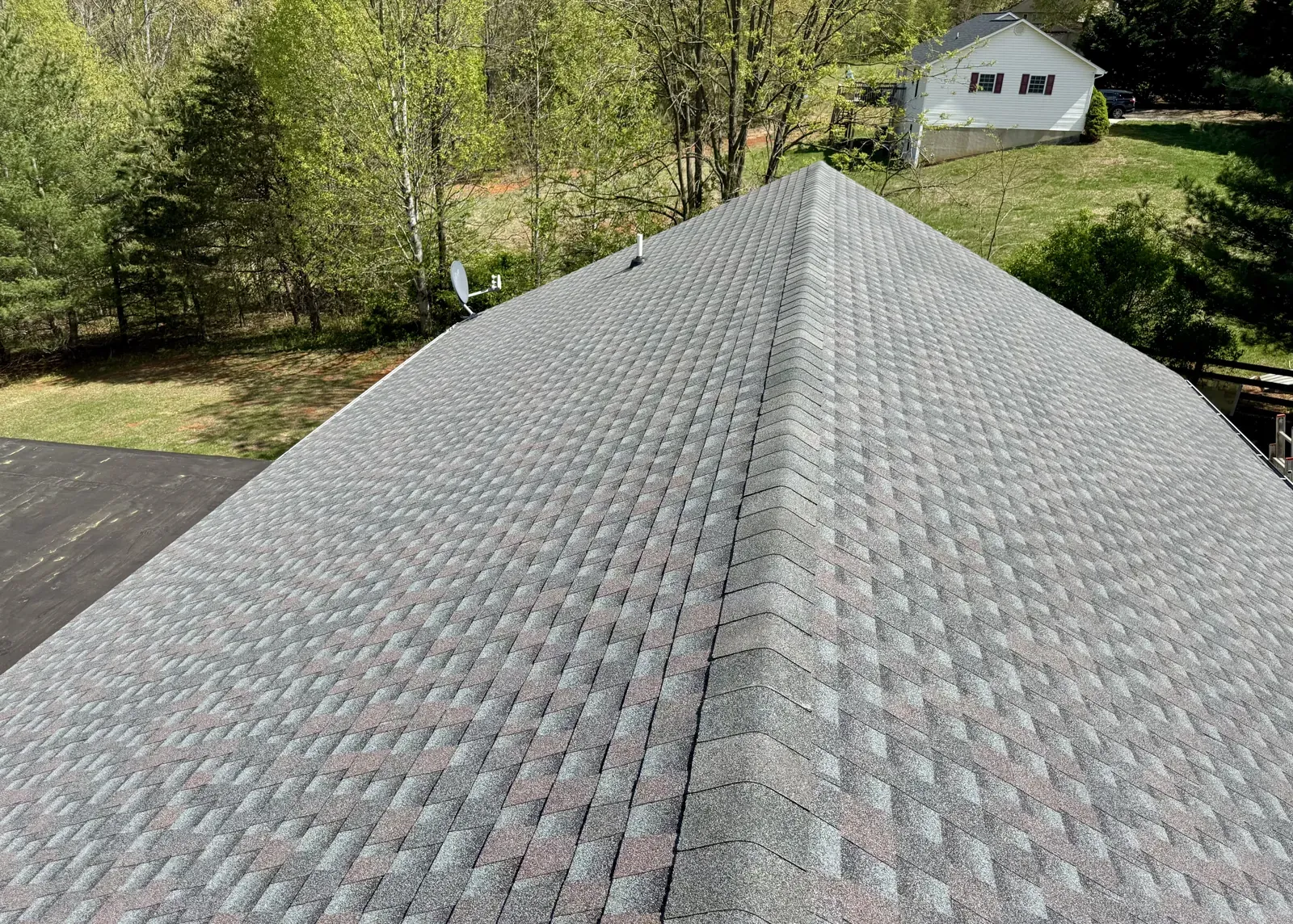
If you see any of those, it’s worth having someone look soon. With our freeze-and-thaw winters, an open gap tends to get worse, not better.
If you’re in the wait-and-watch group, keep it simple. After the next couple of hard rains, check your upstairs ceilings and peek into the attic if you can get there safely. Look at the downspouts for fresh piles of granules. If nothing changes, you’re likely fine. If something new shows up, that’s your sign.
And please don’t climb up on a wet or steep roof to check for yourself. Most of what you need to see can be spotted from the yard, from a window, or from inside the attic.
A storm damage inspection is a careful look at your whole roof, top to bottom and inside to out. Its job is to answer one question: what did this storm do to your house? A good inspection gives you a straight answer and the proof behind it. It shouldn’t come with a sales pitch.
Here’s what a thorough inspection should cover:
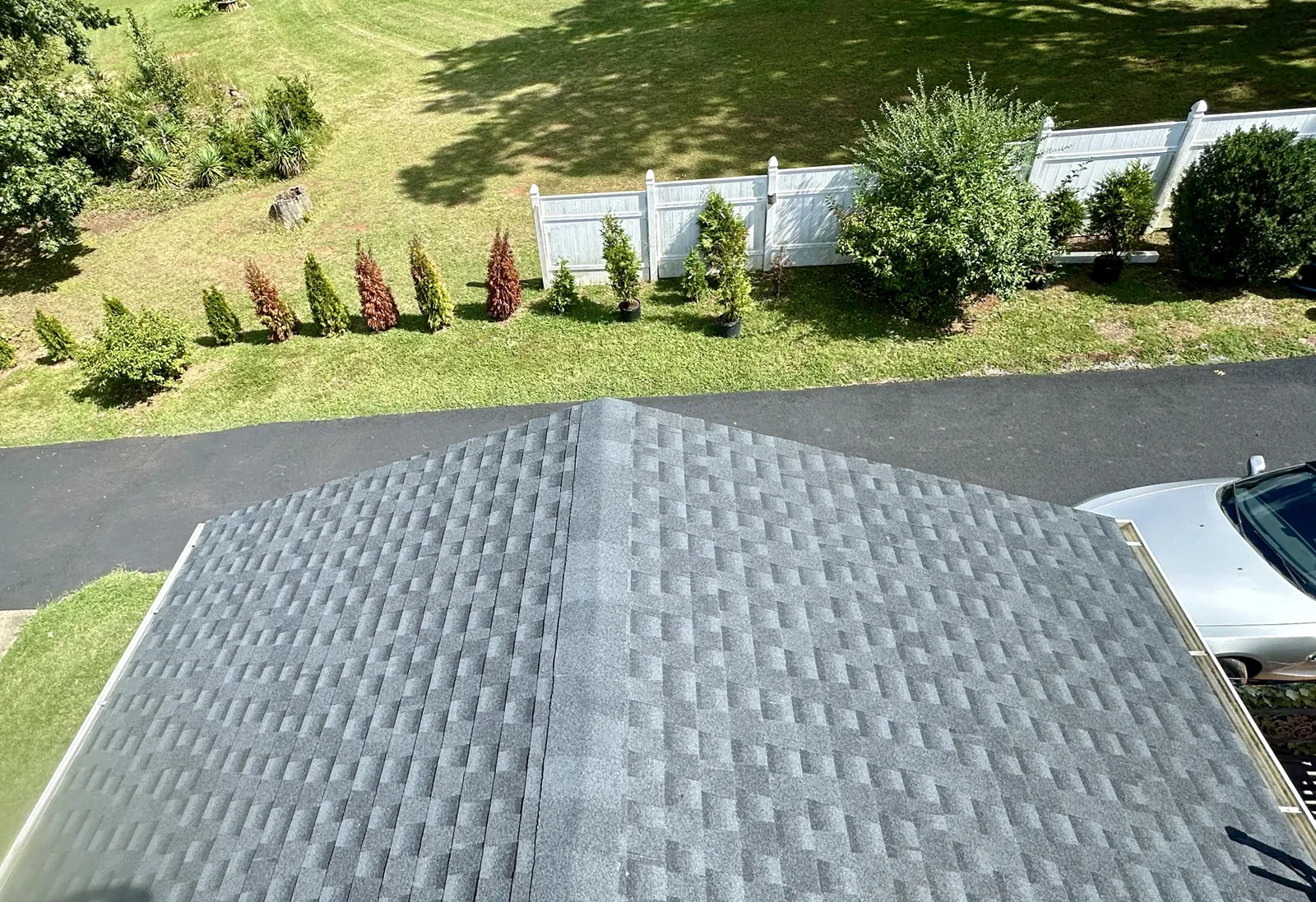
You can make the visit go smoother with a little prep. Have your dated photos ready, along with a note of where any drips or stains showed up. If you know roughly when the roof went on, or about past repairs, share that too. Clear a path to the attic hatch, and keep pets inside so nobody gets underfoot near a ladder.
When the inspection is done, you should understand what was found, where it is, and how serious it is. You should never be left guessing. We document the damage and put our recommendation in a written estimate and scope of work, so you can read it over at your own pace. If the roof only needs a small repair, that’s what the estimate will say. If you’re working with insurance, the same paperwork is what we’d walk through with your adjuster, as we covered above.
It’s also fair to ask a few questions of anyone who looks at your roof after a storm. Are they licensed in Virginia? Will they put the scope in writing? Do they expect you to sign anything that day? A good local contractor answers all three easily. For the record, we’re a licensed Virginia Class B Contractor, License #2705199374. Our inspections are no-pressure, so you can take your time and decide what’s right for your house.
If a storm rolled through Thaxton or anywhere in Bedford County and something on your roof doesn’t look right, we’ll come take a look. We’ll tell you plainly whether it needs a repair, a replacement, or nothing at all. Estimates are free.
Your claim is between you and your insurance company. We don’t file it, run it, or argue over it for you. What we do is give you and your adjuster a clear, honest picture of what the storm did to your house, in writing, so everyone is working from the same facts.
Here’s where we fit in:
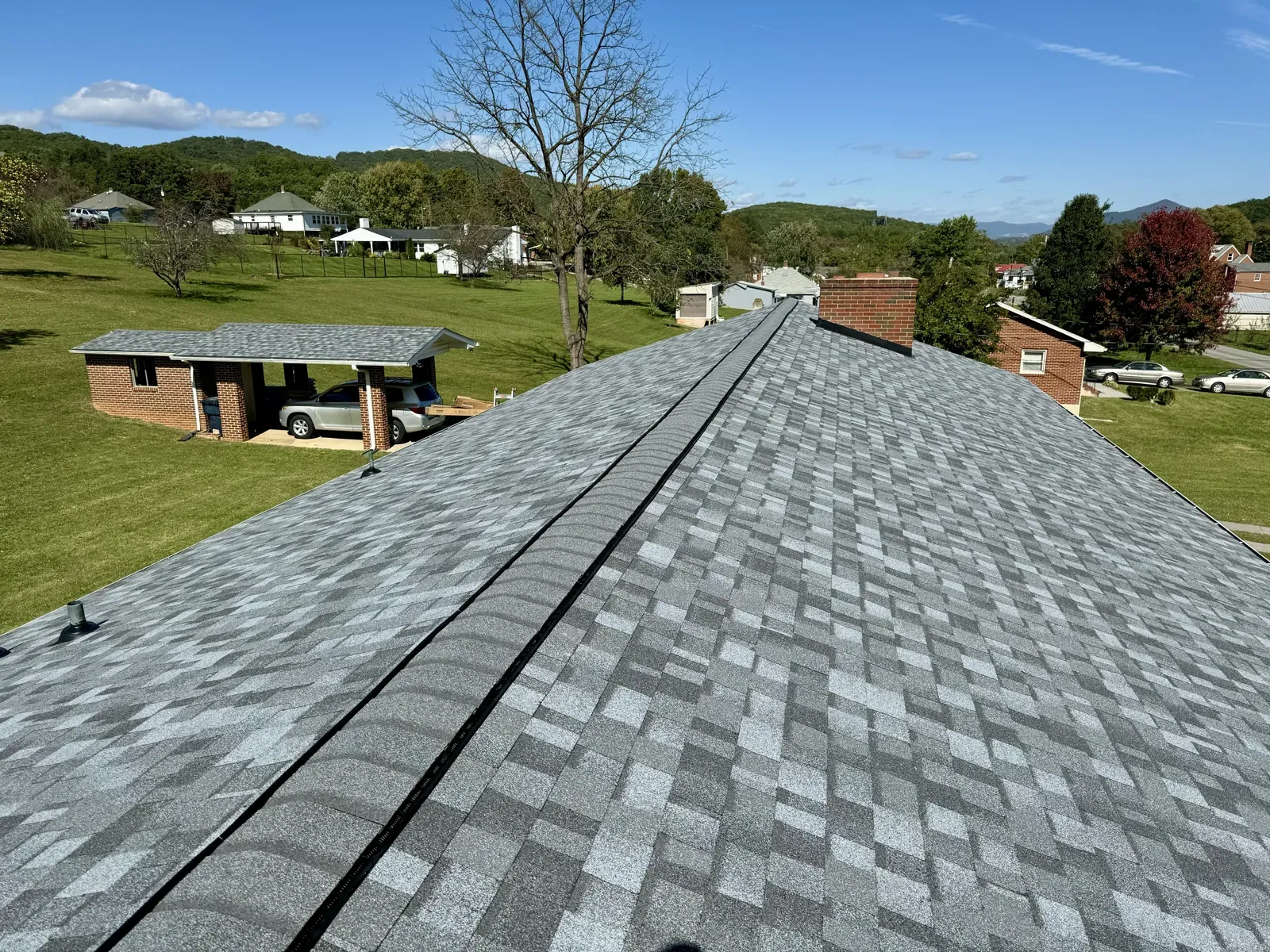
That third point is the one folks don’t always expect. Not every storm mark is worth a claim. Every policy has a deductible, the part you pay before insurance pays anything. If the repair is a handful of shingles and a strip of flashing, it may cost less than your deductible. In that case, filing may not get you anything. We’d rather tell you that up front than have you go through the process for nothing. Check your policy or call your agent if you’re not sure what your deductible is.
When a claim does make sense, keep your side simple. Call your insurance company to report the damage. Write down the date of each call and who you spoke with. Keep the photos you took after the storm together with our estimate, so it’s all in one place when the adjuster comes.
On the day the adjuster visits, it helps to have the whole house looked at, not just the roof. Wind that lifts shingles during a hard Bedford County thunderstorm can also crack siding, bend gutters, or knock soffit panels loose. If those don’t make it into the scope, they can get missed. Since siding is the core of our work, we include any wall, trim, and gutter damage we find, so the adjuster sees the full picture in one visit.
After that, the decision on what’s covered belongs to your insurance company. If you have questions about their findings, that’s a conversation for you and them. We’re glad to explain anything in our own estimate, but we won’t speak for you or your insurer.
One more thing worth knowing. You never have to sign anything with us before you’ve talked with your insurance company. Take your time, read the estimate, and decide when you’re ready. That’s how a local contractor should work.
Estimated range: Storm repairs start at $250 and most run up to about $2,500. When the damage is too widespread to patch, a new asphalt shingle roof runs about $6,000 to $22,500. Your price depends on your home.
What moves the price up or down:
You get a written, itemized estimate before any work starts. No surprises once the job begins.
It’s a guideline some areas use that says if 25% or more of a roof is damaged, the whole roof should be replaced instead of patched. We don’t apply a flat rule like that. Instead we look at how spread out the damage is, how the surrounding shingles hold up, and what’s happening under the surface. A roof with scattered damage on every slope often does point toward replacement, but we’ll show you exactly what we found before we recommend either path.
A tarp held down with boards or sandbags, not nails, over the damaged area is the safest short-term fix until a contractor can get there. Nails can create more holes for water to find. If you have active leaking or a soft spot in the attic, that’s a sign to get it looked at soon rather than wait. We’d rather you call for an inspection than climb onto a wet or steep roof yourself.
A restoration typically goes further than a spot repair, addressing wear across the whole roof surface rather than just the storm-damaged area. For storm damage specifically, we focus on what the storm changed. Our inspection covers the full roof, the flashing and ridge cap, the gutters, and the attic, then we write up a scope of work that spells out whether your situation calls for a targeted repair or something more extensive.
Get a free estimate. Call (540) 597-2328 today.
Get a Free Estimate