
Know When It’s a Simple Clean vs. a Bigger Exterior Issue
Family-owned siding and exterior experts serving Southwest Virginia
Get a Free Estimate
What’s covered on this page
The clearest sign is water spilling over the gutter edge during a rain instead of running out the downspout. Plants growing in the gutter, streaks on your siding, and puddles along the foundation point to the same clog. A few leaves sitting in a gutter that still drains fine can usually wait. It’s one part of the work we do as your gutter service team in Thaxton.
You don’t need a ladder to find most of these. The best time to look is during a good rain, or right after one. Grab an umbrella and walk around the house. Your gutters will show you what’s going on.
Here’s what to watch for while it’s raining:

On a dry day, look up at the gutter itself. If you see grass, weeds, or little tree seedlings poking up over the edge, there’s enough wet dirt and rotting leaves in there to grow plants. That’s a full clog, not a light one. Birds nesting in the gutter or mosquitoes near the roofline in summer can mean standing water is sitting up there too.
Then look at the house below the gutters. Dark streaks or dirty stripes running down your siding usually mean water has been spilling over the same spot again and again. Peeling paint on the fascia or trim, or wood that feels soft when you press it, tells you water has been sitting there long enough to start soaking in. Overflowing water is hard on siding, soffit, and trim over time.
Last, check the ground. Look for puddles along the foundation, soil washed out under the gutter line, or mulch scattered across the walk. A damp crawlspace or basement after a storm can trace back to a clogged gutter dumping water right next to the house.
Around Thaxton, the timing matters. Bedford County homes often sit near plenty of trees, so gutters can fill in fall when the leaves drop and again in spring with seeds, pollen, and pine needles. Summer thunderstorms can drop a lot of rain fast, and a gutter that’s half full can’t keep up. In winter, water left in a clogged gutter can freeze and thaw over and over, which adds weight and strain at the seams.
Now for the honest part. If you see a few leaves on top but the downspouts run clear and nothing spills over, you don’t need to rush. Keep an eye on it after the next big storm. And if a gutter is sagging or pulling away from the house, cleaning alone may not fix it. That can be a sign of loose hangers or a damaged section, which is a gutter repair question.
A gutter has one job: move rainwater away from your walls. When it’s clogged, the water still has to go somewhere. Cleaning fixes the clog, but it can’t undo damage the water already started. That’s why it’s worth a closer look once the gutters are clear.
The first thing to suffer is usually the fascia, the board your gutter hangs on. When a gutter backs up, water sits against that board. Wet wood swells and goes soft, and the screws or hangers holding the gutter start to lose their grip. That’s often why a gutter begins to sag. A cleaning won’t make a screw hold in rotten wood.
Next is the soffit, the underside of your roof overhang. Water running behind the gutter can creep into it. Watch for stains, panels that droop, or gaps at the edges. Those gaps are an open door for birds, bees, and squirrels looking for a dry spot.
Siding is built to shed rain that hits it from the side. It isn’t made to take a steady stream pouring off the roof edge in the same spot, storm after storm. Water can work its way behind the panels and soak the sheathing, the wood layer underneath. Vinyl can look perfectly fine from the yard while the wall behind it stays wet. With fiber cement and engineered wood, the trouble spots are often the cut edges and seams, and constant water wears on them.
Humid summers make this worse. Around Thaxton and the rest of Bedford County, damp wood can take a long time to dry out in the summer air. Add the winter freeze and thaw we talked about above, and small problems can grow quietly.
Here’s a simple way to sort out what you need once the gutters are clean:

Most of the time, a clog caught early is just a clog. A few wet leaves aren’t a reason to replace your siding, and nobody should tell you otherwise. If something does need attention, we’ll tell you plainly whether a small repair handles it or whether it’s a bigger fix.
A real gutter cleaning is more than pulling out leaves. The point is to make sure water can get from your roof to the ground and away from your house. That means checking every part of the path, from the gutter to the end of each downspout.
Here’s what a thorough visit should cover:

That flush test is the step that matters most. It’s the only way to know the job worked. If water pools in one spot, the gutter may have lost its slope, which is a repair question and not a cleaning one. You should hear about that, not find it out during the next big storm.
You should also get a plain report when it’s done. That means what was found, what was cleared, and anything that looked off. Photos help a lot, since most folks can’t see their gutters from the yard. If something needs work, you should hear whether it’s a small fix or something bigger, and then get to decide for yourself.
Getting ready takes about five minutes. Move cars away from the driveway side of the house. Unlock any side gates and keep pets inside. If you’ve noticed a spot where water spills over during rain, point it out. That spot deserves the closest look.
Before you hire anyone, ask a few simple questions:
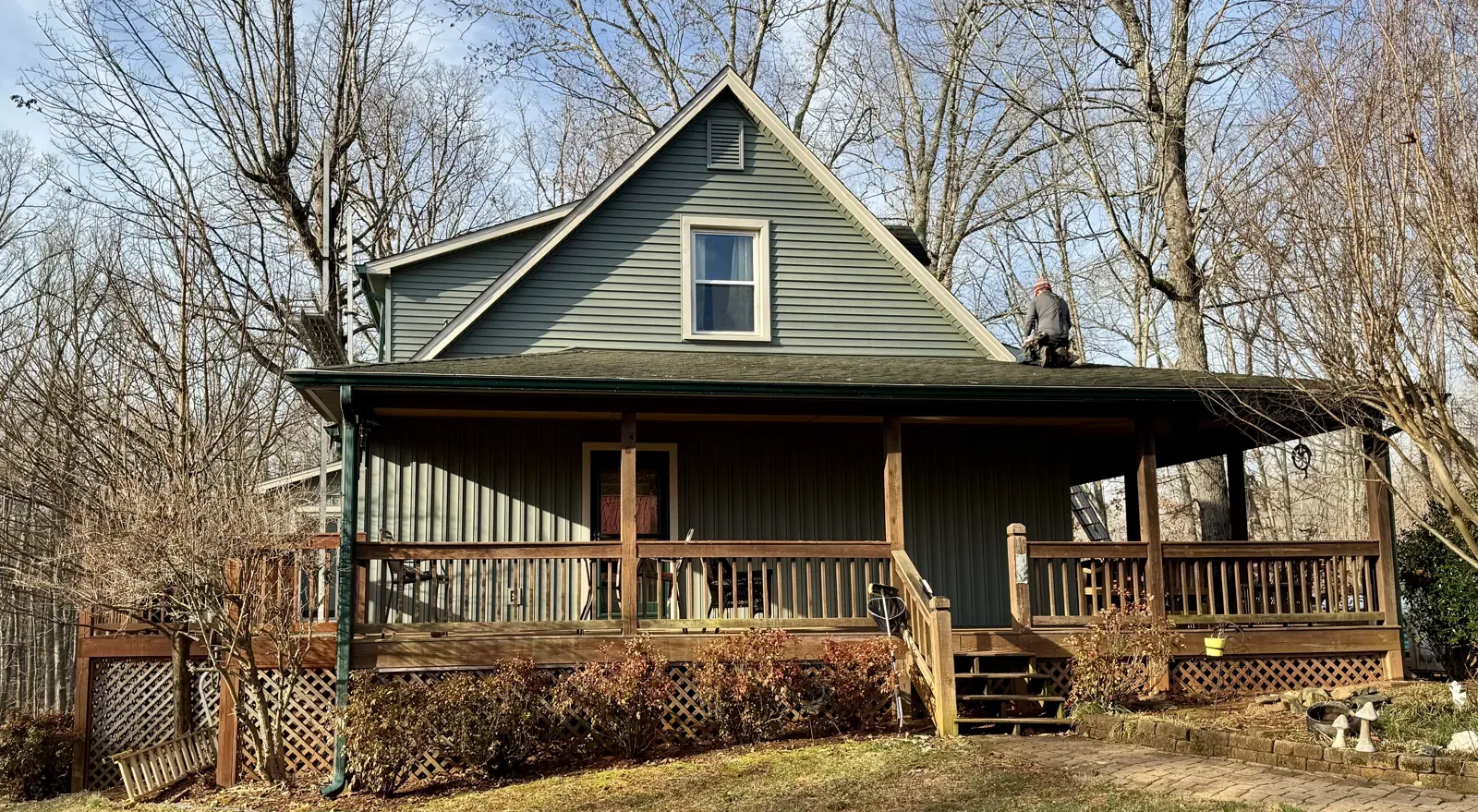
A few things change how much work a cleaning takes. A two-story house or a steep roof needs more ladder work and more care. Gutters that haven’t been cleaned in years are packed heavier than ones cleaned last fall. Homes under big trees in Bedford County often have more to clear, and the downspouts are more likely to be plugged. Gutter guards add a step, because they have to come off and go back on. We offer free estimates, so you’ll know what’s involved before any work starts.
Plenty of homeowners can clean their own gutters, and we’d rather tell you that than sell you a visit you don’t need. It mostly comes down to the height of your house, the shape of your yard, and how comfortable you are on a ladder.
Doing it yourself usually makes sense when:
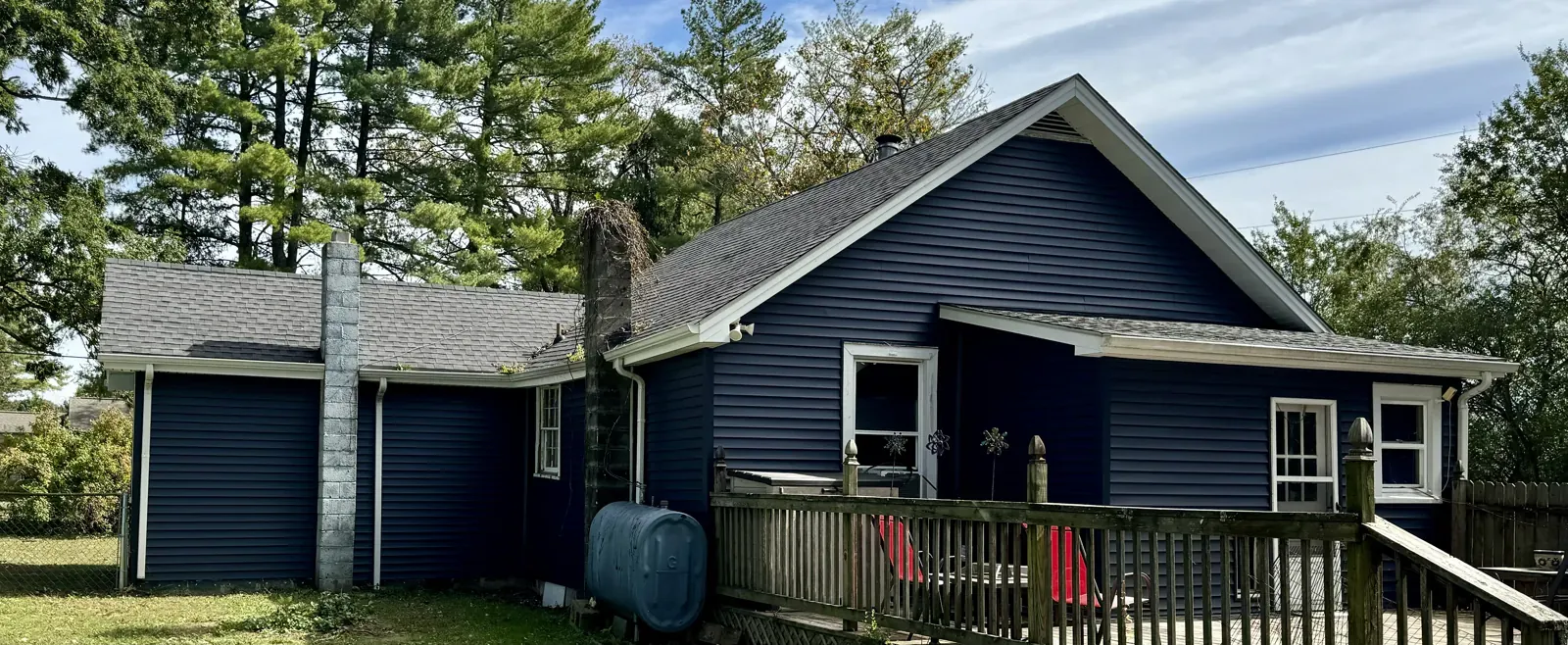
Some of the most useful work doesn’t need a ladder at all. You can pull leaves out of the bottom of a downspout, check that the elbow at the base isn’t plugged, and make sure the water lands on a splash block or extension that carries it away from the foundation. Then watch the next good rain. That tells you if your work held.
It’s time to call someone when:

Here’s the tradeoff. Doing it yourself saves the cost of a visit, but it costs you a Saturday and some real ladder risk. It’s also easy to clear the gutter and miss what’s going on behind it. When you’re standing on a ladder holding a bucket, you aren’t looking closely at the fascia or the siding under the overflow spot.
Leaning a ladder on vinyl siding or on the gutter itself is one of the easiest ways to turn a cleaning into a repair. If you do it yourself, use a ladder that stands on its own or a stabilizer that rests on the roof, not the gutter.
If your home is a single story with light leaves and drains that run clear, go ahead and do it yourself. If it falls in the second group, or you just don’t want to climb, that’s a reasonable call too.
There’s no single price for gutter cleaning, because no two houses are set up the same. Most of the cost comes down to how much gutter you have, how hard it is to reach, and how much is packed inside. We already covered the big factors above: height, years of buildup, trees, and guards. Here’s how those turn into a number, plus a few more things that move it.
Companies usually price gutter cleaning one of three ways. Some charge by the linear foot, which means the total length of gutter on your house. Some charge a flat rate based on how many stories the house has. Others look at the whole house and give one price. None of these is wrong. Just know which one you’re getting so you can compare two quotes fairly.
How many downspouts and corners you have. Each downspout has to be cleared and tested, and inside corners tend to catch more debris.
What sits under the gutters. A deck, a sunroom roof, a steep flower bed, or a drop-off makes setting a ladder slower and more careful work.
How steep the roof is. A steep roof is harder to work around and takes more time and safety gear.
What’s in the gutter. Dry leaves scoop out fast. Wet pine needles mat down flat, and maple and oak seeds pack into heavy sludge.
Underground drains. If your downspouts feed into a buried pipe, the clog may be past the point where the downspout ends. That takes more work to find and clear.
Hauling the debris away. Some quotes include it and some don’t.
The lowest number isn’t always the better deal. A quote that skips the downspouts or the flush test can leave you with gutters that look empty and still spill over in the next summer thunderstorm. Use the questions from the visit section above, and make sure you’re comparing the same work side by side.
The cleaning itself is usually the smaller part of the bill. What changes the total is what turns up once the gutters are empty. A loose hanger is a quick fix. Soft fascia, or siding that’s swollen under an overflow spot, is a bigger job. You should know which one you’re dealing with before you agree to anything. You can always get just the cleaning now and decide on the rest later.
If you’re already planning siding, soffit, or fascia work, it makes sense to look at the gutters at the same time. On many siding and trim jobs, the gutters have to come down so the work behind them can get done. That’s a good moment to decide whether to clean them, repair them, or switch to seamless gutters.
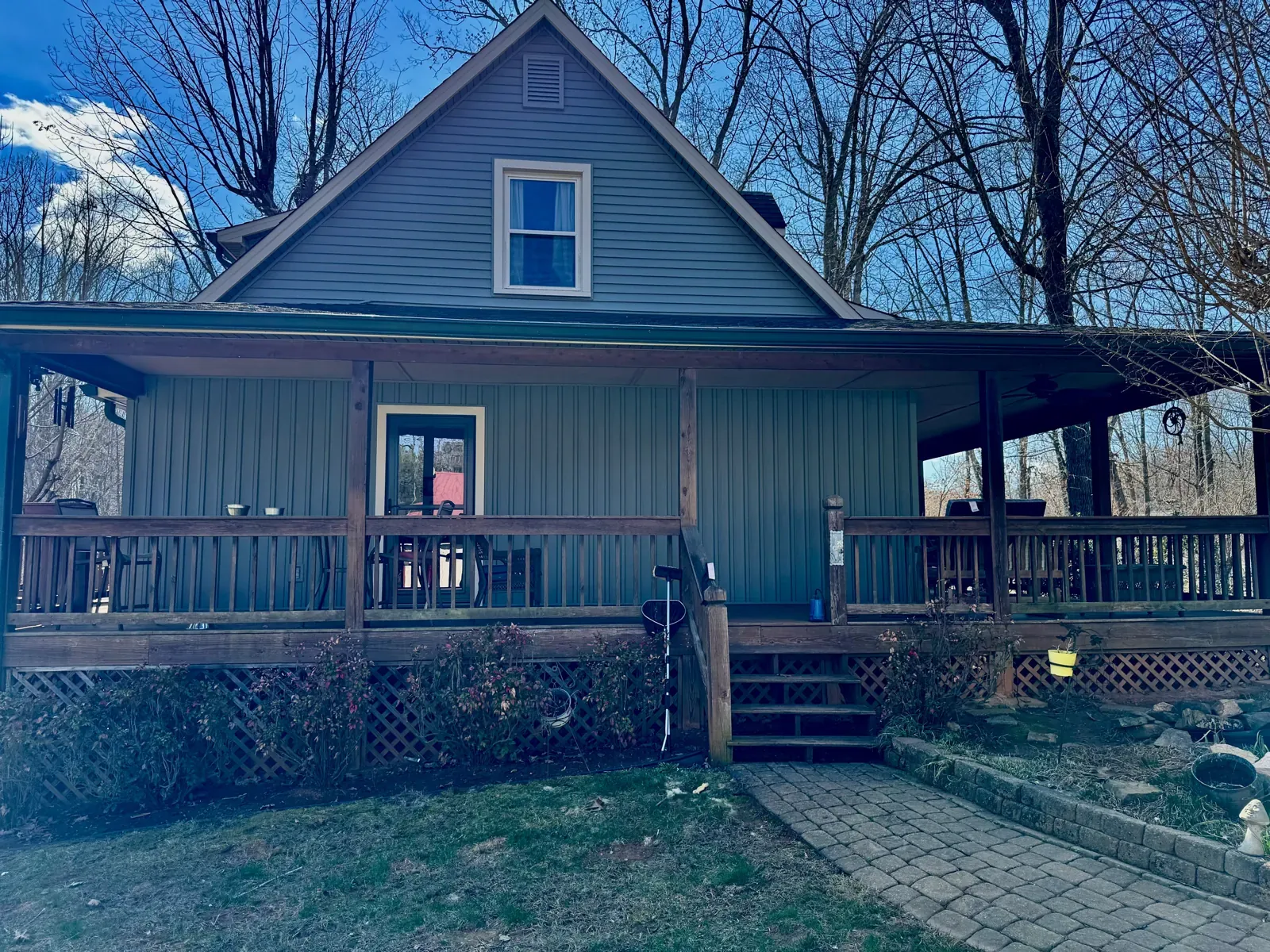
Late fall after the leaves drop and again in spring are the two best windows for Bedford County homes. Trees around Thaxton shed heavily in fall, and spring brings seeds, pollen, and pine needles that pack into gutters. Checking after summer thunderstorms is also smart, since heavy rain can overwhelm a gutter that’s already half full. If your home sits under big trees, you may need both a fall and spring check to stay ahead of clogs.
It’s worth it when your home is two stories, sits on a sloped lot, or has gutters packed with wet debris and plant growth. A pro brings proper ladder setup and checks the parts you can’t see from the ground, like the fascia board and downspout elbows. If you have a single story with light leaves and drains that run clear, doing it yourself is a reasonable option. The real value in hiring out comes from the flush test and inspection, which confirm water is draining instead of just pooling less.
Yes. A gutter can look clean while the downspout below it is packed tight. We clear every downspout and flush the gutters with water to make sure it all drains.
Get a free estimate. Call (540) 597-2328 today.
Get a Free Estimate