
Know Whether to Repair or Replace
Family-owned siding and exterior experts serving Southwest Virginia
Get a Free Estimate
What’s covered on this page
A roof inspection should give you one of three plain answers: your roof is fine, it needs a repair, or it’s time to replace it. In Thaxton, freeze-thaw winters and summer thunderstorms cause small problems that often need only a small fix. A good inspection tells you which answer fits your roof, even when that answer is that nothing needs to be done. It’s part of the work we do as a roofing contractor in Thaxton.
A roof inspection isn’t a sales visit. Its job is to answer one question: what does your roof need right now? Sometimes the answer is nothing. Sometimes it’s a few shingles and a bead of sealant. And sometimes the roof has reached the end of its run. All three answers are useful, because each one tells you where to spend money and where not to.
We’re Premier Exterior Improvements, based right here in Thaxton. We’re a licensed Virginia Class B Contractor, License #2705199374. When we look at a roof, we tell you what we found, and that includes telling you when a repair makes more sense than a replacement.
Around Bedford County, roofs take a beating in a few predictable ways. In winter, water gets into small gaps, freezes, expands, and thaws, again and again. Over time, that can lift shingle edges and open up seams around chimneys and vents. Strong summer thunderstorms bring wind that can crease or tear shingles, along with falling limbs. Humid summers can feed moss and keep shaded sections of the roof damp longer than the rest.
None of those problems automatically means a new roof. A few wind-lifted shingles on one slope is a repair. Cracked rubber boots around a plumbing vent is a repair. Replacement starts making sense when the damage is spread across the whole roof, or when patching one spot just moves the leak somewhere else.
A useful inspection covers more than the shingles. Most leaks start where the roof meets something else. That’s why the parts around the edges and openings matter so much:
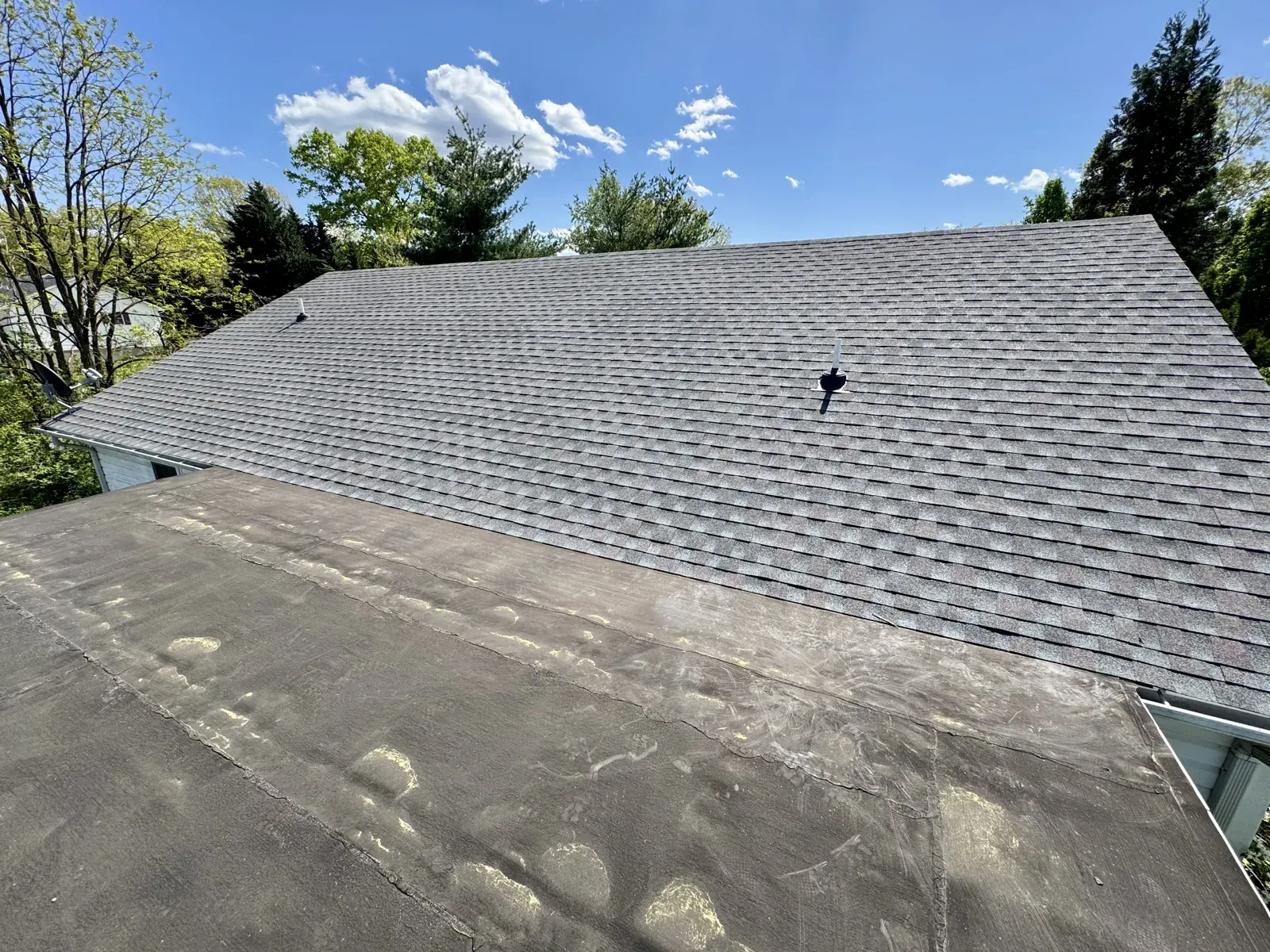
That edge work is where roofing meets the rest of your exterior. A rotted fascia board or a sagging gutter isn’t technically a roof problem, but it can cause one. Since siding, soffit, trim, and gutters are a big part of what we do, we can tell you whether a stain on your ceiling came from the roof itself or from the trim and gutters around it.
If a storm caused the damage, the inspection does a second job. Clear photos and notes about what’s damaged give you something solid to bring to your insurance company before you decide whether to file a claim. Either way, you walk away knowing what your roof needs, what can wait, and what doesn’t need anything at all.
Most roof trouble gives you a hint before it turns into a real leak. You don’t have to climb a ladder to notice it. A lot of the warning signs show up on your ceiling, in your attic, or in your yard after a storm.
Inside the house, watch for these:
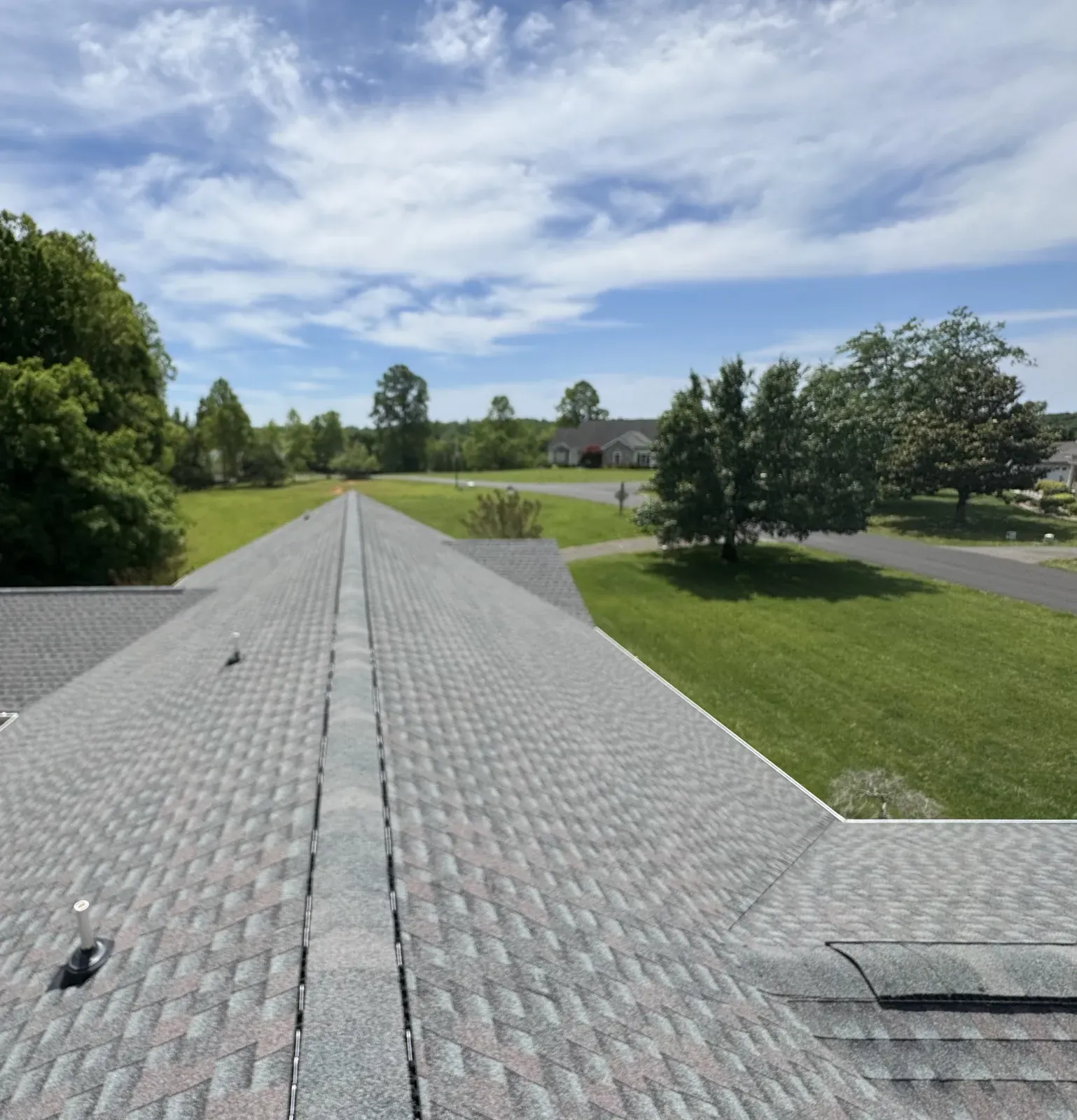
Outside, stand back in the yard and look at each slope. Shingles that are missing, curled at the edges, or a different color in patches are worth a closer look. So is a roof line that dips or sags between the rafters. Check your gutters and the ground under your downspouts, too. A pile of gritty granules, the sandy coating on asphalt shingles, means the shingles are wearing down[1].
Some events call for an inspection even when you don’t see anything wrong:
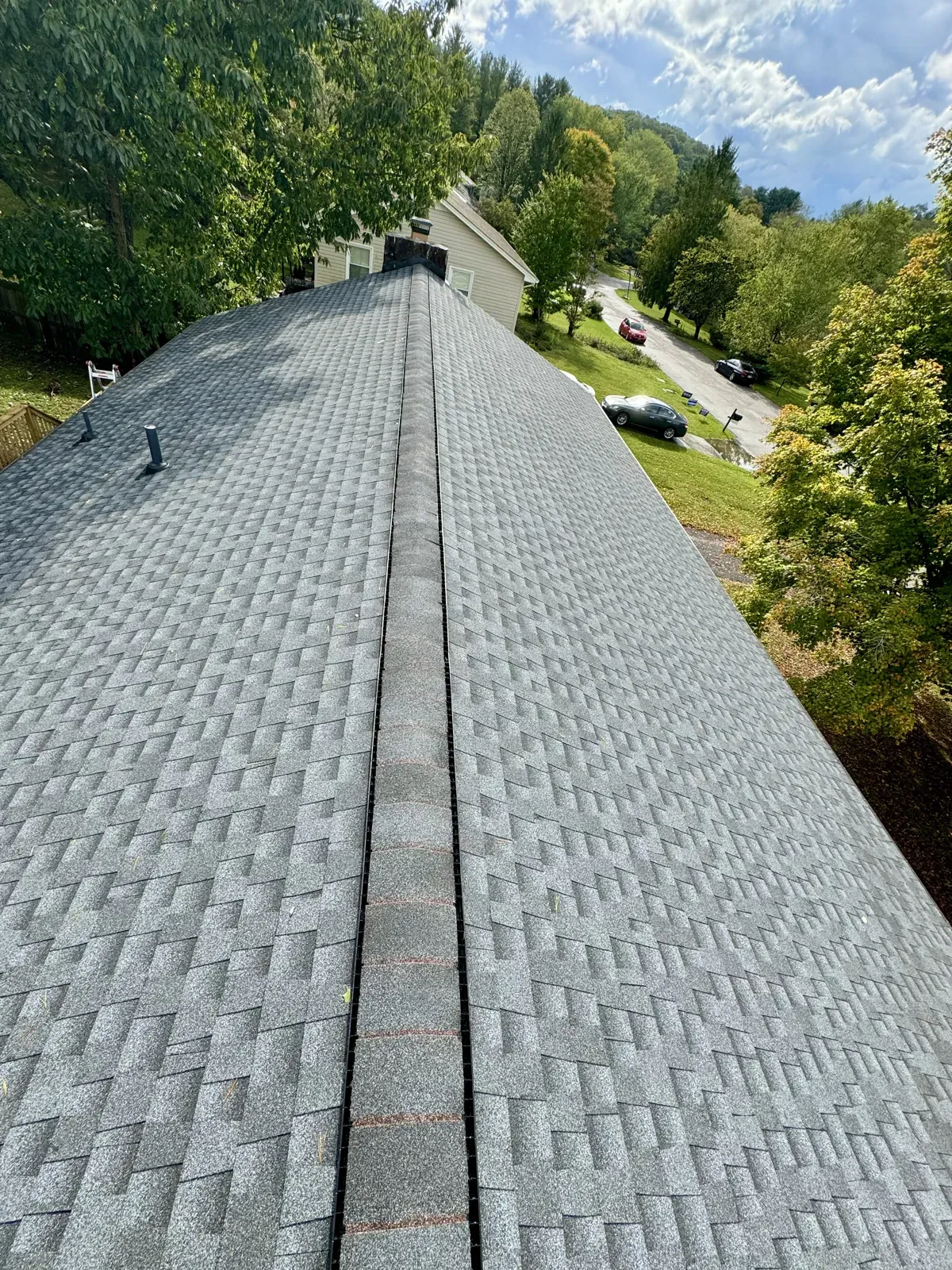
That last one matters more than people think. If you’re putting new siding on your home, the roof edge, soffit, and fascia all tie into that work. It’s easier to find a soft fascia board or a bad spot of flashing before the new siding goes up than to pull it back off later.
Storm damage is the sign people miss most. Hail can bruise a shingle without knocking it loose, and you won’t see it from the ground. Wind can lift a shingle, break the seal, and let it settle back down looking normal. The next heavy rain finds that gap. If a bad storm just came through and a lot of houses on your road had damage, it’s reasonable to have yours checked even if it looks fine.
The goal isn’t to worry about every shingle. It’s to catch the small stuff while it’s still small. A cracked vent boot found in the fall is a quick repair. Left through a winter of freezing and thawing, the same crack can mean wet insulation, a stained ceiling, and soft roof boards to replace.
Thinking about Roof inspection? Let’s talk.
Get a Free Estimate. Premier Exterior Improvements LLC is ready to help.
Plenty of homeowners don’t need us on the roof this year. If your roof is fairly new, or it was checked recently and nothing has happened since, there’s no reason to pay attention to it beyond a quick look now and then. A roof doesn’t need a professional visit just because the calendar turned over.
Some things also look worse than they are. Dark streaks running down the shingles on a shady slope are usually algae. In our humid summers it’s common, and it’s mostly a looks problem, not a leak problem. A light sprinkle of granules in the gutters of a newer roof is often just loose grit shedding off. Neither one means water is getting in.
If you’d like to wait, a simple check twice a year keeps you in the loop. Spring is a good time, after the freeze-thaw months have had their turn. Fall is the other, before leaves pile up and winter sets in. You can do all of this from the yard and the attic.
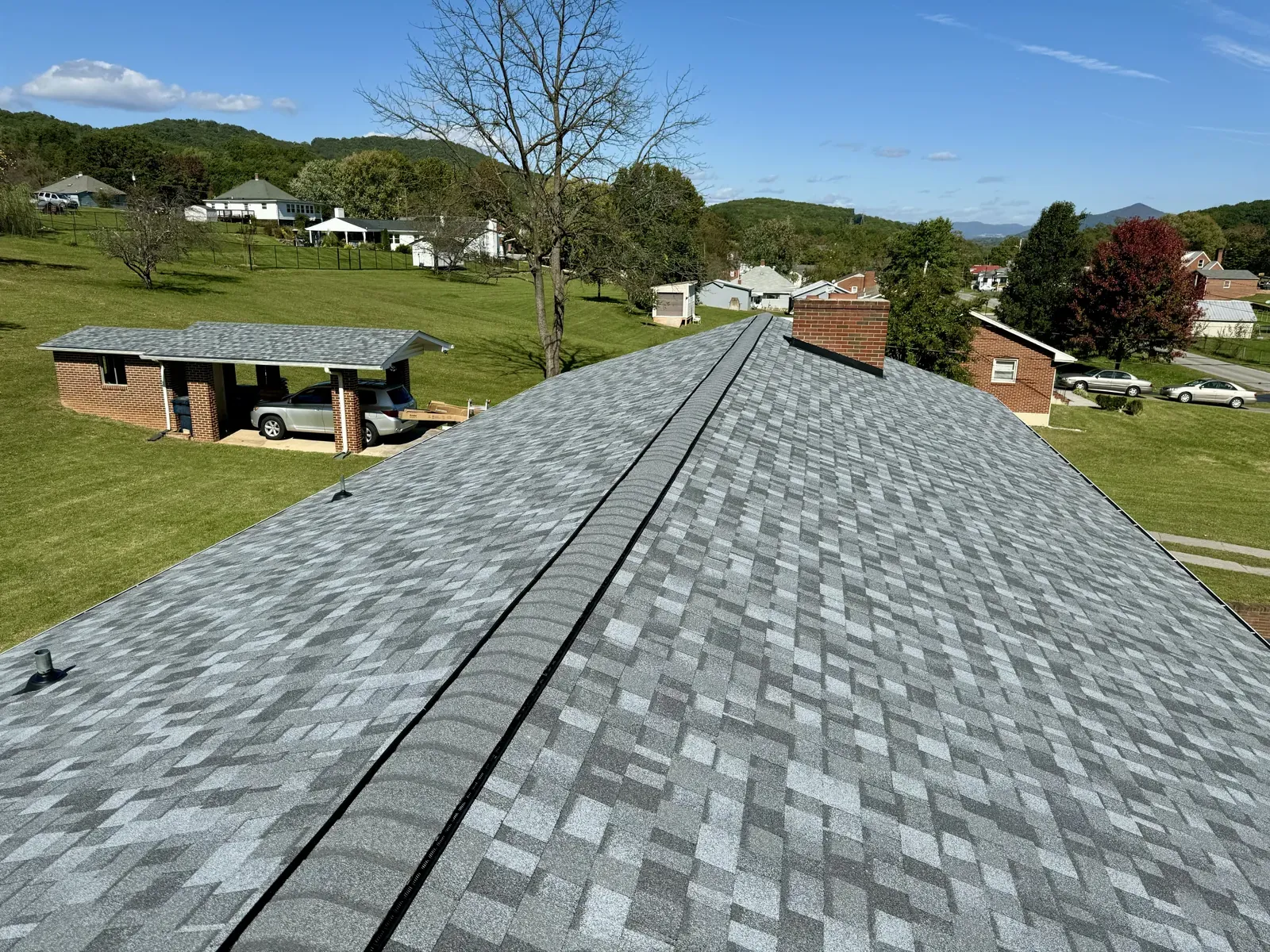
Those photos matter more than you’d think. If a storm does cause damage down the road, before-and-after pictures make it easier to show what changed. They also help any contractor see how things have looked over time.
After a big storm, you might get a knock on the door from someone saying your roof is damaged. If you’ve looked yourself and you don’t see any of the signs we covered above, it’s fine to wait and think it over. A good contractor will show you photos of what they found on your roof and explain it plainly. They won’t rush you into signing anything that day.
Holding off stops making sense the moment something changes. That could be a new stain on a ceiling or a wet spot in the attic. It could be a slope that suddenly looks uneven, or a storm that left limbs down across your yard. At that point, a quick look from someone who knows roofs is cheaper than guessing.
Until then, an even roof, a dry attic, and clean ceilings are a good sign. You don’t need anyone up there to tell you that.
A good roof inspection follows the water. It starts where you’ve seen trouble and works outward, from the yard to the roof to the attic. Here’s what that looks like, so you know what to expect and what to ask for.
It starts with a few questions. When did you first notice the stain? Does it show up after every rain, or only during a hard storm or when snow melts off the roof? A leak that appears only when wind drives rain from one direction points to a different spot than one that drips after every shower. If you can, clear a path to the attic hatch and move anything stored right under it.
Next comes a walk around the house from the ground. From the yard you can spot a sagging roof line, slopes that don’t sit evenly, and gutters that spill over instead of draining. You can also see where a roof slope meets a wall. There, the metal flashing tucks up behind the siding, so checking that joint means looking at both the roof and the wall together.
If the roof is safe to walk, the close-up look happens on top. That means checking whether shingles are still sealed down, looking for creases from wind and bruises from hail, and feeling for soft spots underfoot. A soft spot usually means the decking, the wood boards under the shingles, has gotten wet. On a metal roof, the screws and their rubber washers get a close look, because loose or worn ones let water in. A roof that’s steep or slick from rain may be checked from a ladder at the edge or through close-up photos instead. Nobody should take chances up there just to save a trip.
The attic often tells the real story. Water rarely drips straight down. It runs along a rafter or roof board first, so the stain on your ceiling can sit several feet away from the actual opening in the roof. Following that trail uphill is how you find the true source. The attic also shows whether moisture is getting trapped. Damp, stuffy air in a Bedford County summer or frost on the nail tips during a winter cold snap both point to airflow problems, not just a hole.
At the end, you should get a plain answer. That means photos of what was found, an explanation in everyday words, and a clear call on whether the roof is fine, needs a repair, or needs replacing. You should also hear what’s urgent and what can wait until spring. If work is needed, we give you a free estimate that spells out the scope. If nothing’s wrong, we’ll tell you that, too. Our inspections are no-pressure, so there’s nothing to sign before we leave.
When the damage looks storm-related, there are a few more things we can do. We document what we found and prepare an estimate and scope of work. We’ll also tell you whether filing a claim seems worth it. If you file, we can meet your adjuster on-site and answer their questions about our estimate. Whether to file is always your decision.
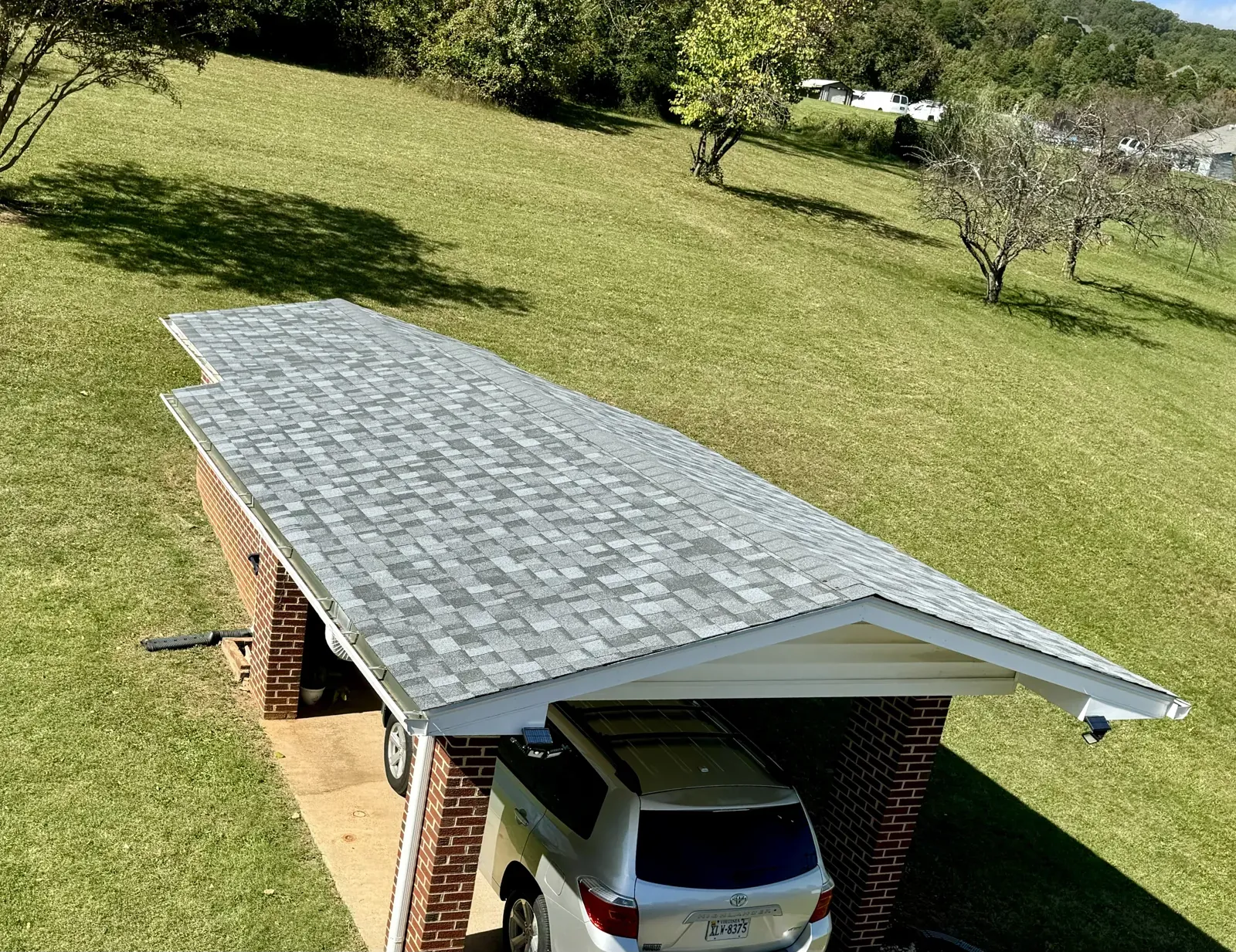
After a storm, you’re really asking two things. What got damaged, and is it worth bringing to your insurance company? An inspection answers the first question with proof. That makes the second one a lot easier to think through.
Good storm documentation is more than a few photos of the roof. It ties the damage to the storm. Hail and wind don’t hit every side of a house the same way. If a storm came in from the west, the slopes and walls facing west should show it most. When the damage lines up with the storm, it’s easier for anyone reviewing it to see what happened.
Solid documentation usually includes:
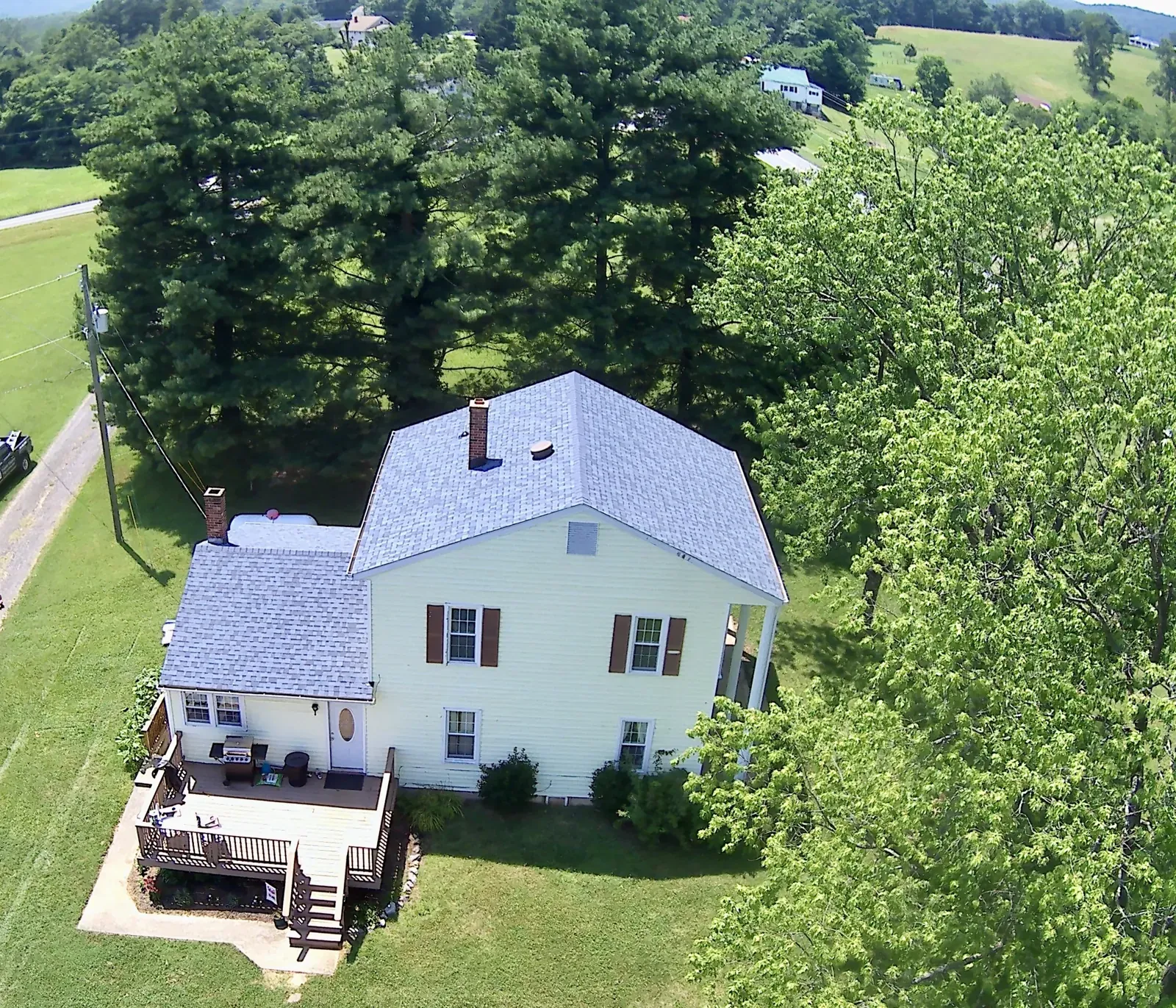
That last point matters. Honest documentation keeps storm damage and age apart. Shingles that curled from years of afternoon sun aren’t storm damage, and calling them that doesn’t help you. When old wear gets mixed in with real hail hits, it can make the whole report harder to trust. We’d rather tell you plainly what the storm did and what time did.
Storms rarely stop at the roof. The same hail that bruises shingles can dent a gutter, crack vinyl siding on a cool day, or chip the paint on your trim. Siding is the core of what we do, so we can tell you whether your walls took a hit too. That way your photos and notes cover the whole house, not just the part you called about.
There’s a lot you can do on your own, too. If it’s safe, take your own photos soon after the storm, before anyone cleans up limbs or debris. Write down the date and roughly when the storm hit. Pull out your policy and see how it asks you to report damage. Please don’t climb onto a wet or damaged roof to get a better look. The ground and the attic tell you plenty.
Sometimes the honest answer is that filing isn’t worth it. A few torn shingles and a bent downspout may cost less to fix than your deductible. In that case, a simple repair is the smarter move, and we’ll tell you so. If the damage is spread across the roof, the gutters, and the siding, that’s a different conversation. Either way, whether to file is your decision.
Most roof inspections take less than an hour once we get started. We begin with a few questions about what you’ve noticed, then walk the yard, check the roof itself if it’s safe to walk, and finish in the attic. If the roof is steep or wet, we may rely more on ladder views and close-up photos, which can add a little time but keeps things safe.
It helps if you’re home, especially at the start, so we can ask about stains, leaks, or storm timing before we look around. You’ll also want to clear a path to the attic hatch beforehand. After that, we can usually handle the roof and yard portions on our own while you go about your day.
We can still do a lot without walking a wet roof. A wet or slick roof is a safety risk, so in those cases we check the edge from a ladder and use close-up photos instead. The attic and yard portions of the inspection still work fine in wet weather, and sometimes a damp attic right after rain tells us more.
Get a free estimate. Call (540) 597-2328 today.
Get a Free Estimate