
Spot Repair or Full Fix?
Family-owned siding and exterior experts serving Southwest Virginia
Get a Free Estimate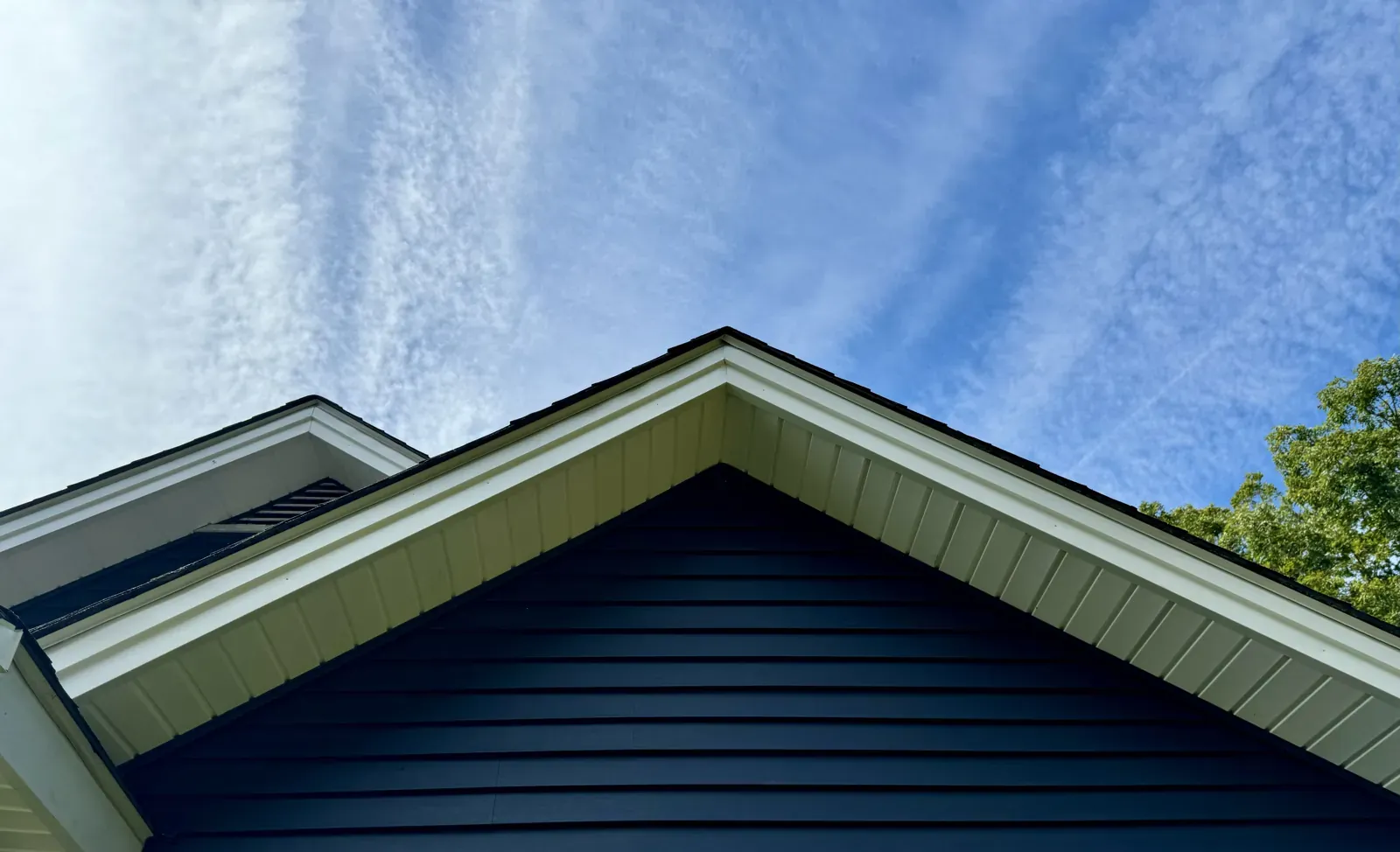
What’s covered on this page
Most soffit and fascia repair problems show up as peeling paint, soft or stained wood, sagging gutters, gaps, or critters moving in under the eaves. You can spot most of these from the ground. A single bad section usually means a small repair, not a whole new roofline. It’s part of our siding installation work in Thaxton.
Your fascia is the board that runs along the edge of your roof, where the gutters hang. Your soffit is the underside of the roof overhang, the part you see when you look straight up from the yard. Both keep water, weather, and animals out of the edge of your roof and attic. When they start to fail, they usually give you some warning.
Here’s what to look for on a walk around the house. You don’t need a ladder for most of it. Just step back into the yard and look up along the roofline.
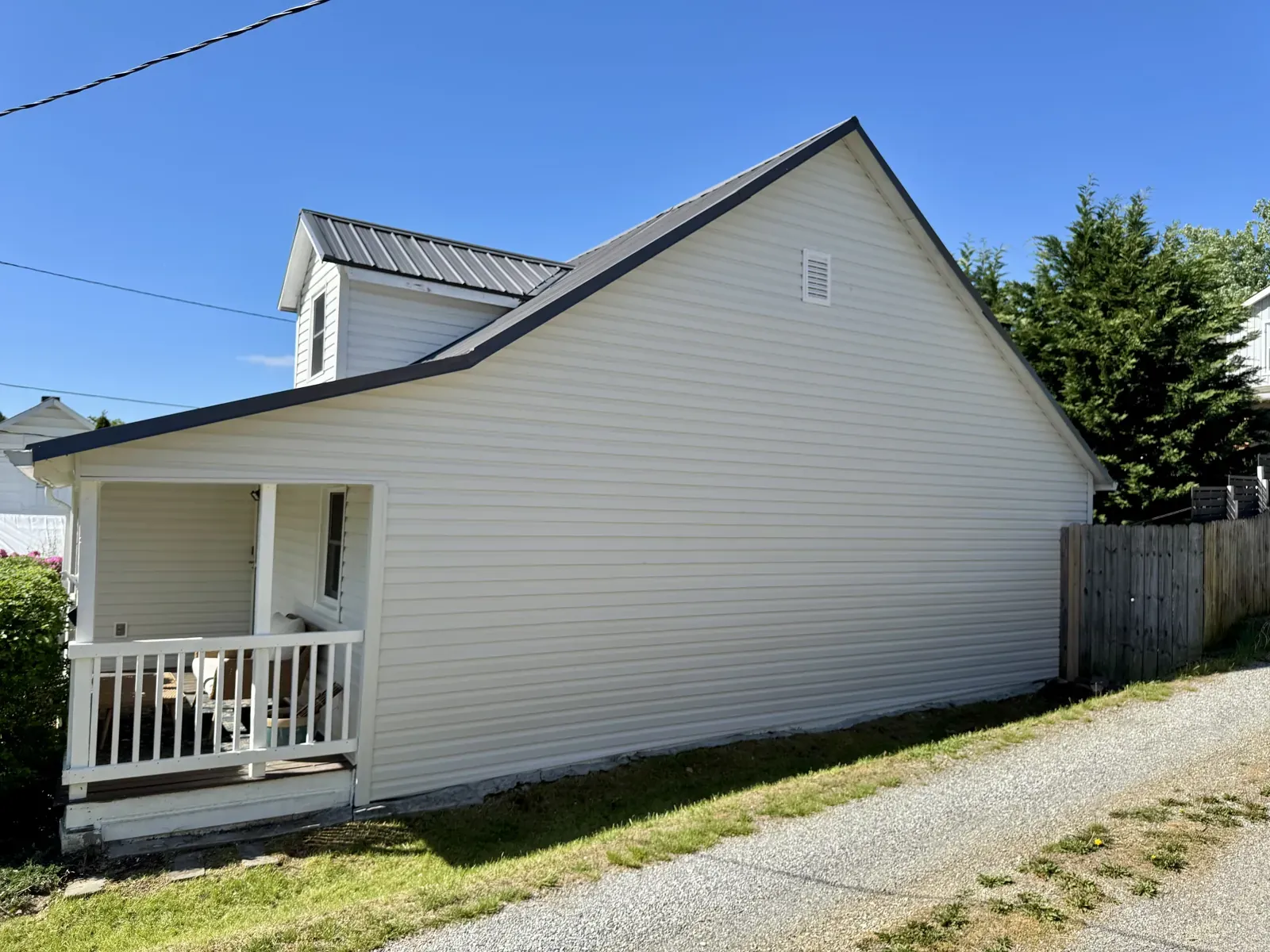
Our weather plays a big part in all of this. Around Thaxton and the rest of Bedford County, humid summers keep wood damp longer. Strong thunderstorms can overflow clogged gutters and push water right onto the fascia. Winter freeze and thaw cycles then work that moisture deeper into small cracks. A little peeling paint in spring can turn into soft wood by the next winter.
The good news is that one of these signs doesn’t mean your whole roofline is shot. A soft spot at one corner under a leaky gutter seam often just needs that section of board replaced and the gutter fixed. If you’re seeing the same problem on every side of the house, that’s a different conversation, and it’s worth having someone look closer.
It also helps to notice what’s around the problem. If the siding right below a rotten fascia board is stained or loose, water may be running down behind it. That’s something to check at the same time, since it’s easier to fix both while the area is already open.
Once you’ve spotted a problem along the roofline, the next question is how deep it goes. Most of the time the answer comes down to one thing. Is the wood underneath still solid?
Here’s what usually counts as cosmetic, meaning it looks bad but hasn’t done real harm yet:
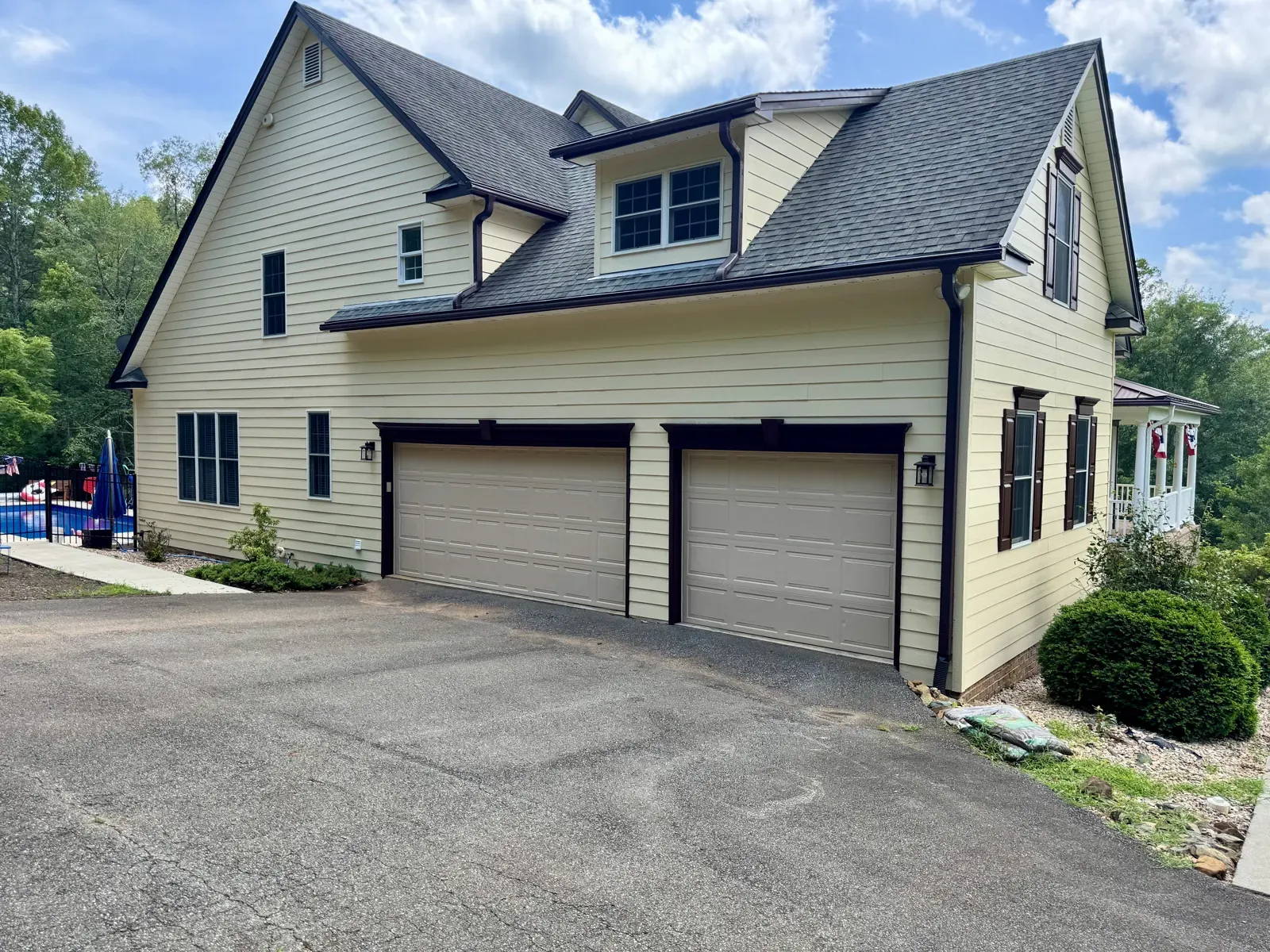
Those are real problems, but they’re small ones. Solid fascia can be scraped, primed, and repainted. A single cracked or loose soffit panel can often be swapped out or reset. If that’s all your house needs, that’s all you should pay for.
There’s a simple way to check the wood. From a ladder set on firm, level ground, press the tip of a screwdriver into the fascia near the corners and under the gutter seams. Solid wood pushes back. If the tip sinks in easily or the board feels spongy, rot has started. If you’re not comfortable on a ladder, skip this step and have someone check it for you.
These signs point to something bigger than a board or a panel:
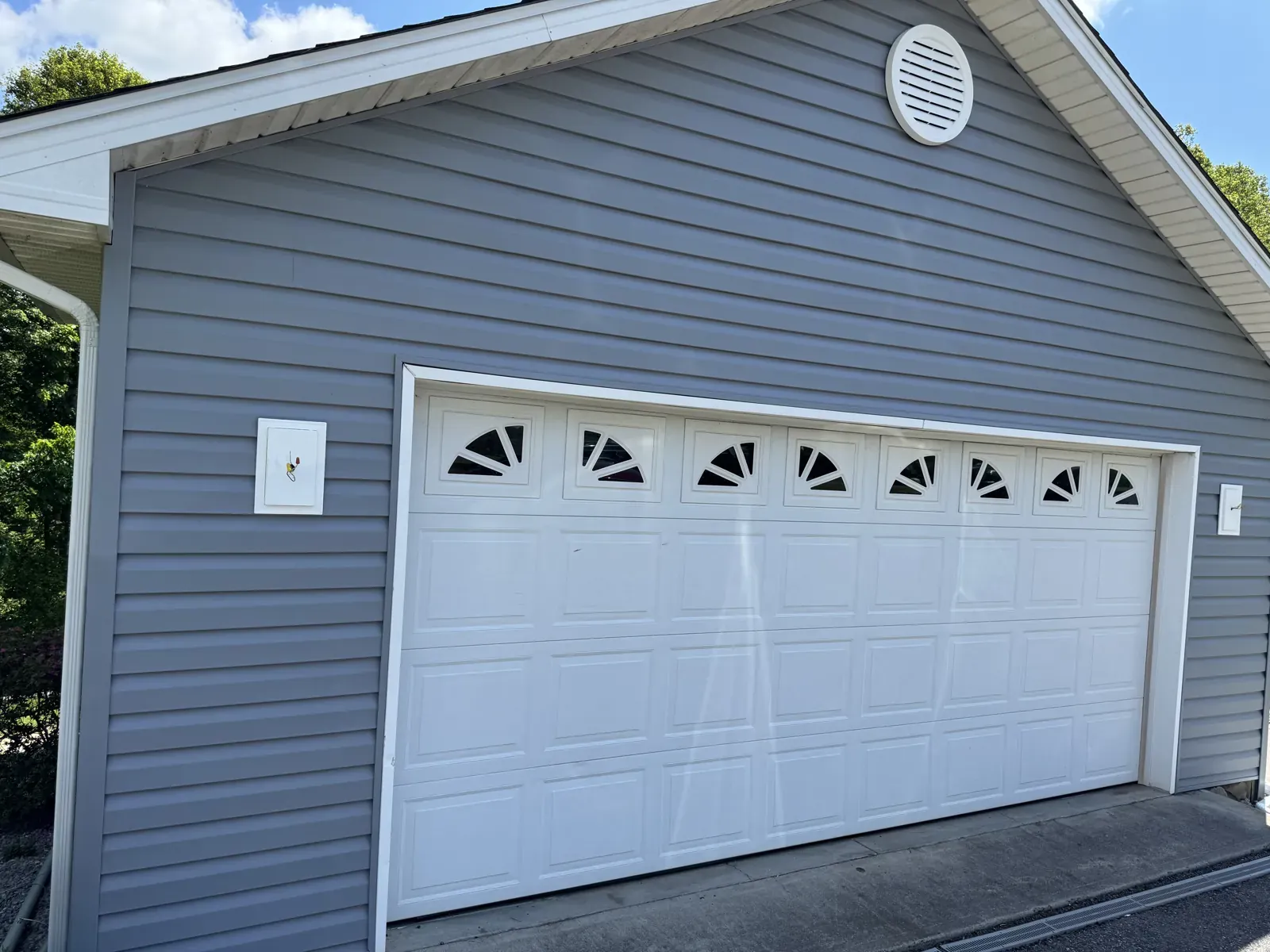
Here’s why those matter. If water sat long enough to rot the fascia, it may have soaked into the rafter tails and the edge of the roof deck behind it. Putting a new fascia board over rotten framing is like hanging a picture on a crumbling wall. The nails and gutter screws have nothing solid to grab, and the problem comes right back. A good contractor pulls the damaged board and looks behind it before calling the job done.
The same goes for the wall below. When water runs off a failed fascia, it can slip behind the siding and soak the sheathing underneath. It’s easier and usually cheaper to fix the siding and the roofline together while everything is already open. That way you’re not tearing into the same corner twice. Our siding repair work covers that part of the job.
Timing matters too. A spot that’s only cosmetic in spring can turn soft after a summer of heavy thunderstorms and a winter of freezing and thawing. Catching it while it’s still just paint is how a small repair stays small.
Have questions? We’re happy to help.
Get a Free Estimate. Premier Exterior Improvements LLC is ready to help.
Soffit and fascia look like trim, so it’s easy to think of them as just looks. They do more work than that. When one part fails, it can quietly affect the parts around it, even while the outside still looks mostly fine.
Start with the soffit. On a lot of homes, the soffit has small vents that let fresh air flow into the attic. That air moves up and out through vents near the top of the roof. It carries away heat and moisture before they build up.
When soffit vents get blocked by paint, dirt, nests, or insulation pushed against them, that airflow slows down. In our humid Bedford County summers, the attic stays damp longer. Over time, that trapped moisture can lead to mildew on the roof boards and a musty attic. A sagging or cracked soffit panel might look small, but it can be part of a bigger airflow problem.
Fascia has its own hidden job. It holds up your gutters, and it backs the metal edge of your roof, called the drip edge, that sends water into the gutter. If the drip edge is missing or bent, water can run behind the gutter and soak the fascia from the back. You won’t see that from the yard until the board is already soft.
Some homes have fascia wrapped in metal or vinyl covers. These covers look clean and don’t need paint. The tradeoff is that they can hide rot underneath. The cover stays straight and bright while the wood behind it turns soft. Loose nails, a wavy line along the roof edge, or a gutter that won’t stay tight can be the only clues.
Then there are critters. A small gap in the soffit is an open door to squirrels, birds, and wasps. Once animals get past the eaves and into the attic, the damage isn’t just outside anymore. Here’s what they can leave behind:
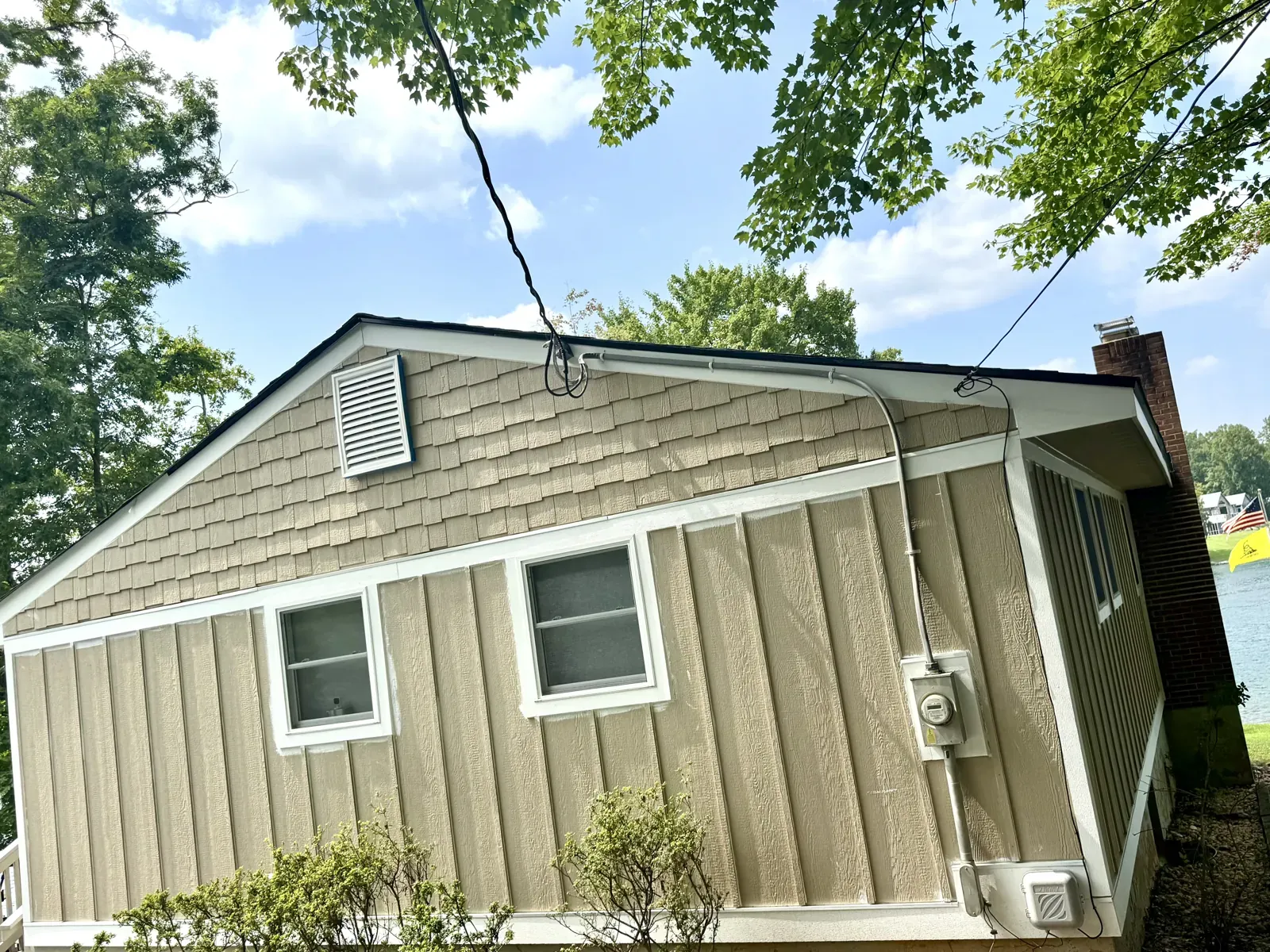
This is why a patch by itself doesn’t always hold. If a clogged downspout keeps dumping water onto one corner, a new board there will go soft again. If the drip edge is bent, the gutter will keep leaking behind itself. A good repair fixes what caused the damage, not just the board you can see.
None of this means you need a whole new roofline. Most of the time, the fix is still a section of fascia, a few soffit panels, and a small repair to the gutter or roof edge. It just means someone should look past the surface before the new wood goes up. When the problem traces back to the gutters or the roof edge, our gutter repair and roof repair work can take care of it during the same visit.
We can’t give you a fair number without seeing your house. We can tell you what moves the price up or down, so the estimate makes sense when you get it. Most of the cost comes down to how much needs replacing, what it’s made of, and how hard it is to reach.
Here are the biggest factors:
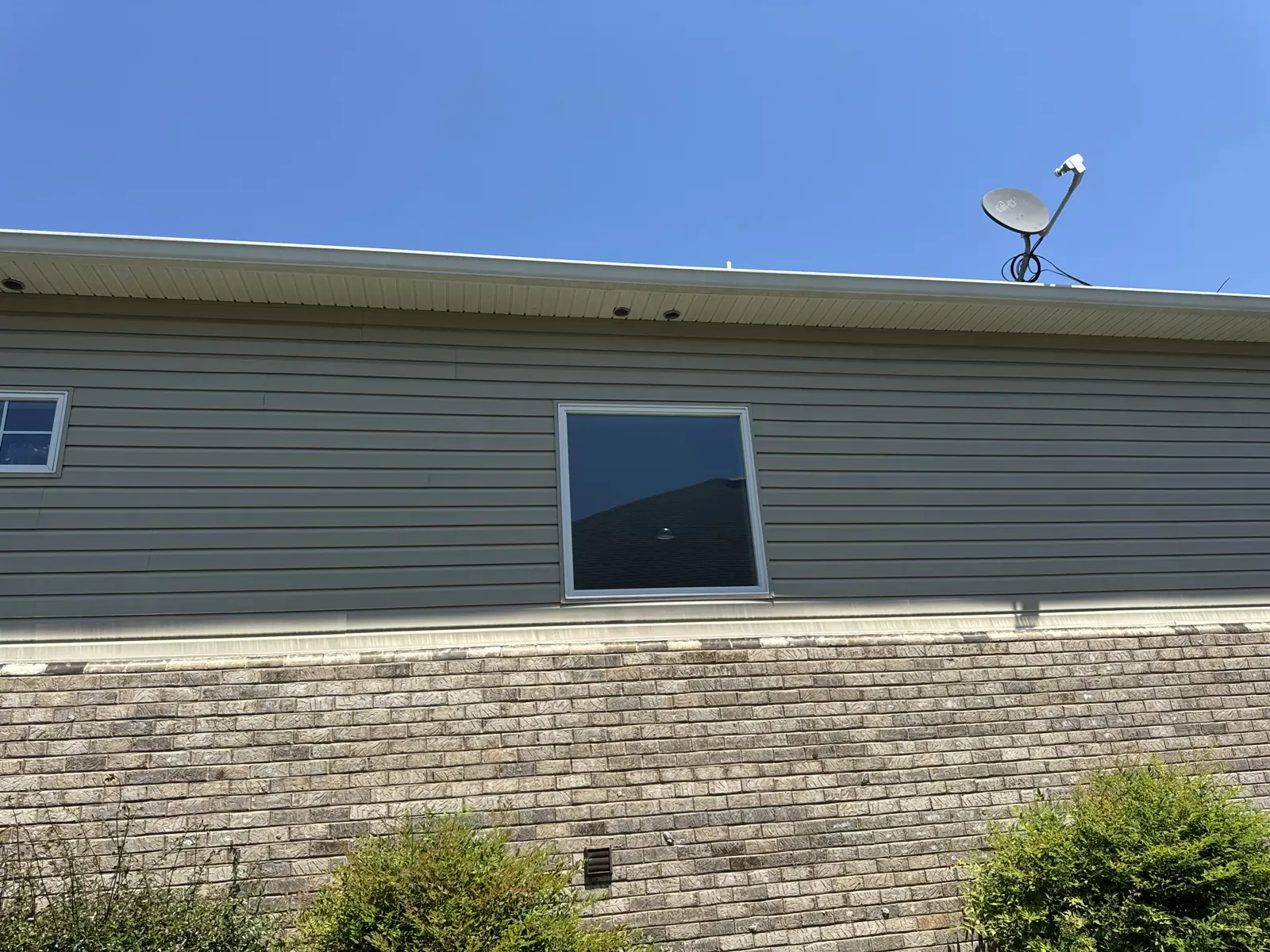
Contractors in this trade price repairs in a few different ways. Some charge by the linear foot of fascia or the square foot of soffit. Some give one price for the whole job. Others charge for time and materials. None of these is wrong, but you should know which one you’re getting.
The biggest surprise on a repair bill is usually hidden rot. Nobody can see behind a fascia board until it comes off. A good estimate says up front how that will be handled, so you’re not caught off guard halfway through.
Before you hire anyone, it helps to ask:
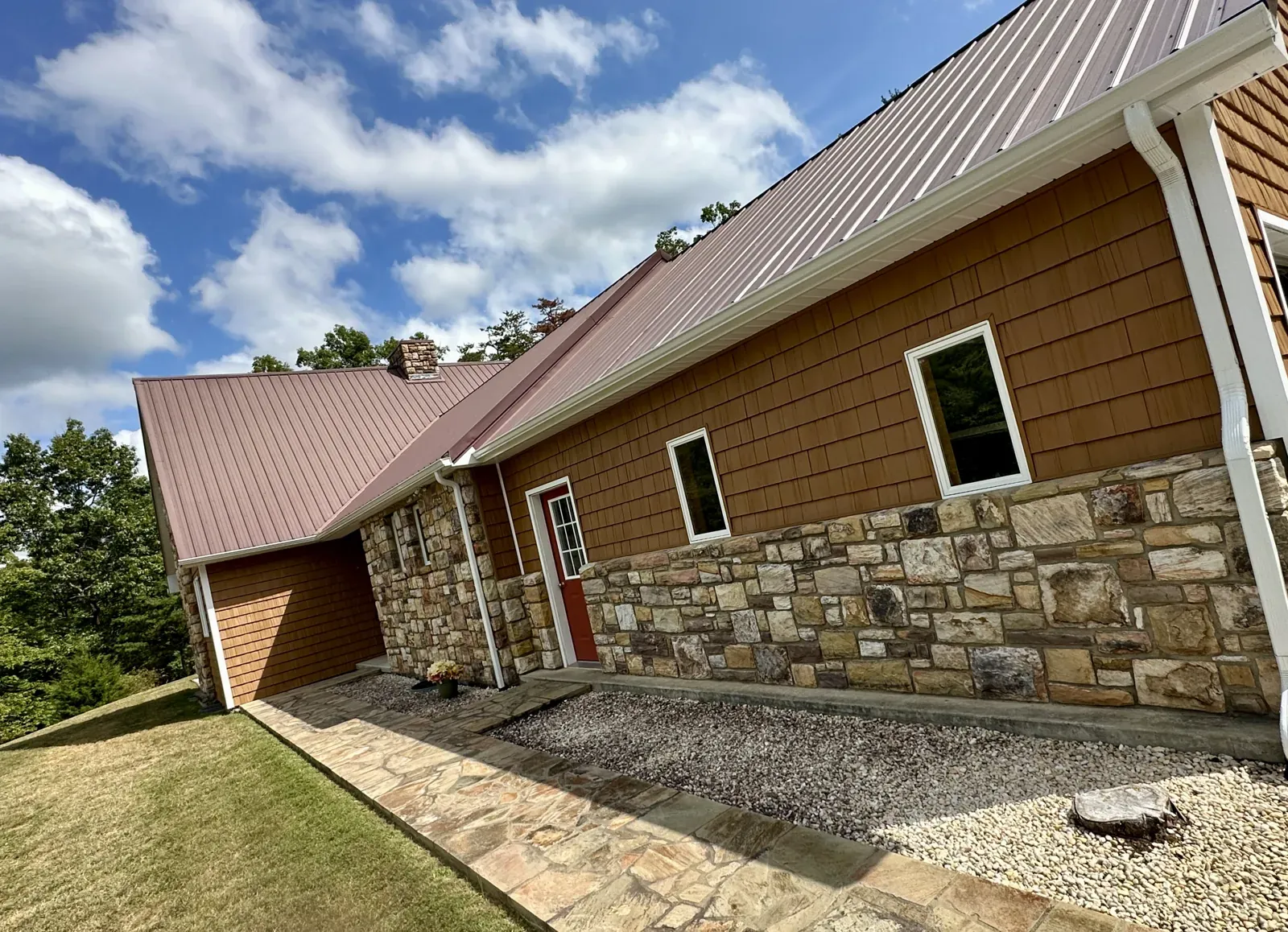
Sometimes the honest answer is that a bigger job saves money. If the soffit and fascia are worn out all the way around and the siding is near the end too, doing them together means one setup and one visit. If only one corner is bad, just fix the corner. That’s the conversation we’d have at your kitchen table.
Your soffit and fascia sit right where your roof, gutters, and siding all meet. That’s why this repair so often lines up with another project on the house. Sometimes it makes sense to do it all at once. Sometimes it doesn’t, and fixing one corner now is the smarter move.
Siding is the big one. Soffit, fascia, and trim are what finish a siding job and make it look complete. If you’re already planning new siding, that’s the natural time to deal with the roofline. The ladders are up, the walls are open, and you can pick every color and material together so nothing looks patched on later.
We install James Hardie and LP SmartSide products, and the trim and soffit that go with them can be chosen right alongside your siding color. That matters more than people expect. A bright new wall under a faded, mismatched fascia board is hard to unsee.
When several parts of the exterior need work, the order matters. It usually goes like this:
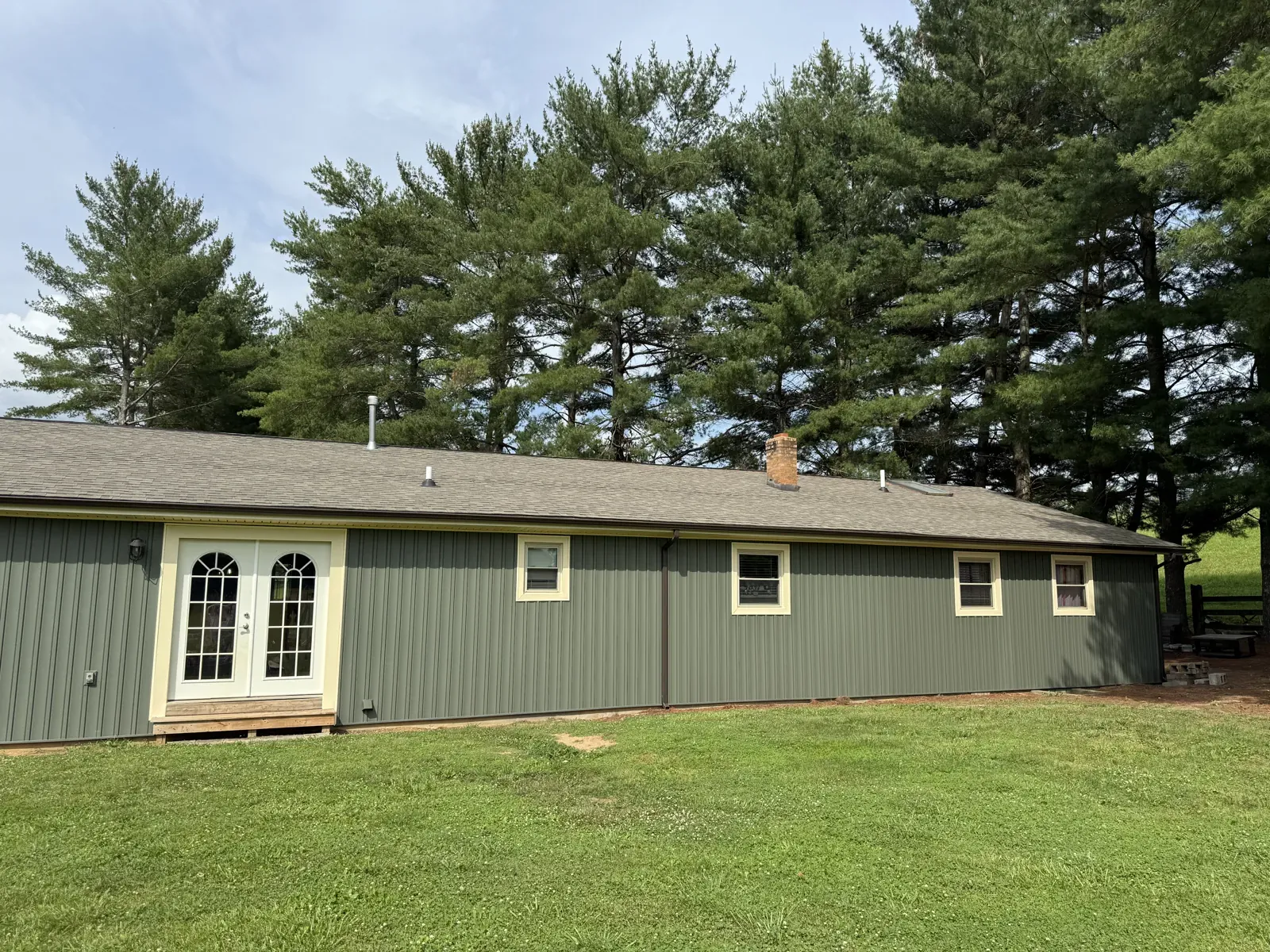
Doing it out of order is how people end up paying twice. Hanging new seamless gutters on soft fascia means taking them down again when the board fails. Putting up new siding under a leaking roof edge lets water stain the new wall. Getting the sequence right is a big part of doing the job once.
If a roof replacement is on your list, it’s a good moment to handle the fascia too. With the old shingles off, the edge of the roof is easy to get to, and the new roof edge can go on against a fresh, solid board. The same idea applies if you’re adding gutters or gutter guards.
Here’s the other side of it. Bundling means a bigger bill up front, and not everyone is ready for that. Say your siding has a few good years left, but one corner of fascia is soft under a leaky gutter seam. Fix that corner now. Don’t let water keep working on it while you wait for the bigger project.
You can still plan ahead with that small repair. If you know new siding is coming in a few years, we can talk about a trim material or color that will still look right when it does. That way today’s fix doesn’t become tomorrow’s mismatch.
And if only one board is bad, you don’t need new siding, a new roof, and new gutters to fix it. Anyone who tells you otherwise without showing you why isn’t giving you the whole picture.
It depends on what caused the damage. Insurance often covers soffit or fascia harm from a sudden event, like a storm or falling branch. It usually won’t cover damage from slow rot caused by years of clogged gutters or missing paint, since that falls under normal upkeep. Your insurance agent can tell you what your specific policy covers before you file a claim.
You call a siding or exterior contractor who works on soffit and fascia repair, not just a handyman patching the surface. The right contractor checks behind the damaged board for rot in the rafter tails or roof edge, not just the visible panel. That matters because covering rotten framing with a new soffit panel just lets the problem come back.
Some fascia boards have a thin plastic coating made to look like solid PVC trim. The board swells and shrinks with heat, cold and moisture, and the coating can loosen and flake off. Once it does, water reaches the wood underneath. Replacing the board with solid trim fixes it for good.
Get a free estimate. Call (540) 597-2328 today.
Get a Free Estimate